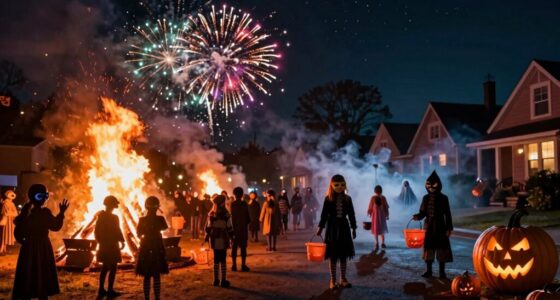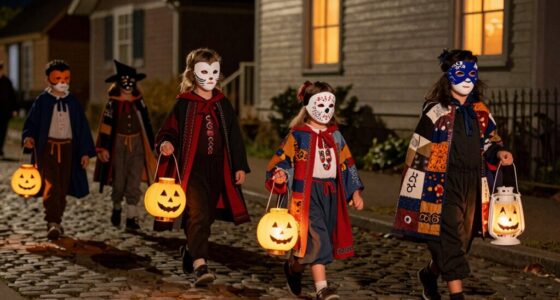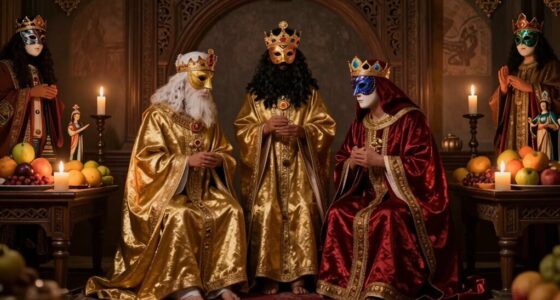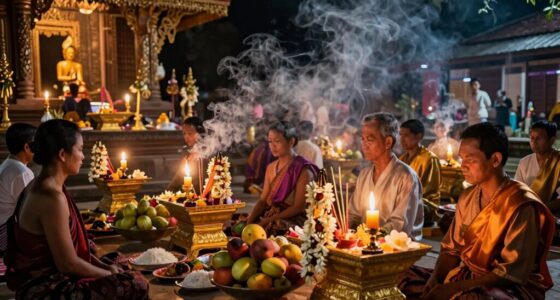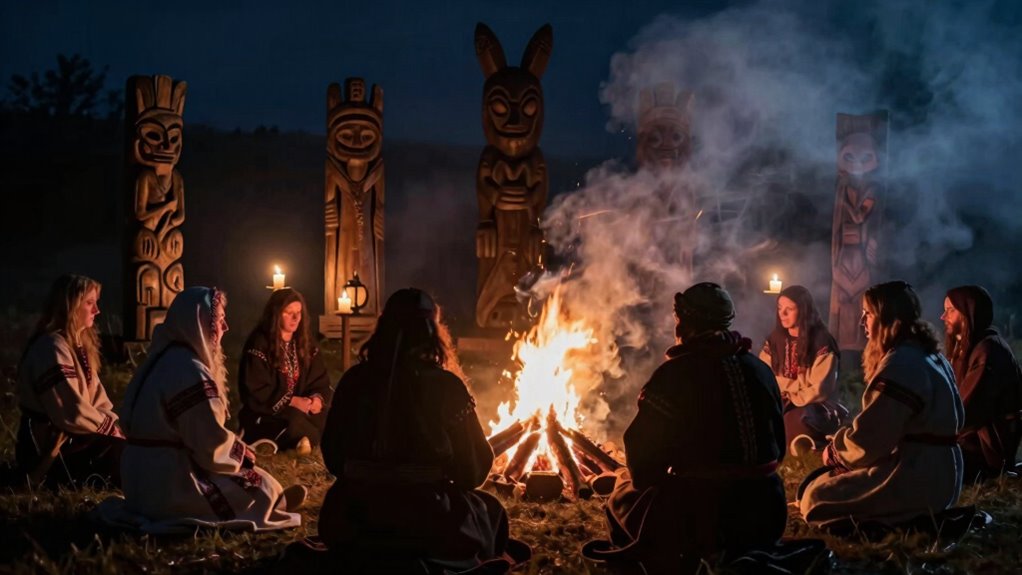

Dziady is an ancient Slavic ancestor ritual where you communicate with spirits of your ancestors for guidance, protection, and moral support. These ceremonies involve offerings, prayers, and community gatherings that honor your ancestors and reinforce cultural bonds. In classic literature, especially in Adam Mickiewicz’s work, Dziady highlights the importance of respecting roots, maintaining spiritual continuity, and upholding moral values. If you want to uncover how this tradition shaped cultural identity and literature, keep exploring its deeper significance.

Get decor and gifts delivered free with Prime
- Fast, free delivery on millions of items
- Prime Video, Amazon Music and more included
- Member-only deals all year
Key Takeaways
- Dziady is an ancient Slavic ritual honoring ancestors through offerings, prayers, and ceremonies to seek guidance and protection.
- The ritual emphasizes spiritual communication, reinforcing moral responsibilities and community bonds across generations.
- In literature, Dziady symbolizes respect for roots, moral order, and the ongoing spiritual connection with ancestors.
- It plays a vital role in maintaining cultural identity and moral values through collective remembrance.
- Modern practices preserve the tradition’s significance, highlighting its role in moral guidance and cultural continuity.

Have you ever wondered what “Dziady” truly signifies in Polish literature and culture? It’s more than just a literary work; it’s a reflection of ancient traditions rooted deeply in Slavic spiritual beliefs. At its core, “Dziady” involves communicating with ancestor spirits, a practice that holds significant ritual importance. These spirits are believed to influence the living world, guiding, protecting, or sometimes punishing those who neglect their ancestral duties. The ritual significance of “Dziady” lies in honoring these spirits, maintaining a spiritual connection that sustains the social and moral fabric of the community.
When you explore the story of “Dziady,” you see how it functions as a bridge between the living and the dead. The ritual involves offerings, prayers, and ceremonies meant to summon and appease the ancestor spirits. These acts aren’t just symbolic; they serve as a way to ensure the ancestors’ favor and to seek wisdom or guidance from beyond the grave. The community gathers in solemn ceremonies, often during specific times of the year, to perform these rites. The atmosphere is charged with reverence, reflecting the belief that these spirits remain an active part of the world. Recognizing the ritual importance of these practices helps deepen understanding of their role in community cohesion and spiritual continuity. Engaging in these traditions helps preserve cultural heritage and fosters a sense of collective identity. Additionally, understanding the ancestor veneration practices provides insight into how these customs shape moral values and social responsibilities within the community. Furthermore, the spiritual beliefs underlying these rituals highlight the importance of maintaining harmony between ancestors and descendants. These practices also serve to reinforce social bonds, emphasizing shared history and collective memory.
In Polish literature, especially in Adam Mickiewicz’s seminal work, the theme of “Dziady” underscores the importance of respecting one’s roots and understanding the spiritual connection with forebears. The rituals depicted aren’t just customs of the past; they embody values of remembrance, moral responsibility, and spiritual continuity. By performing these rites, the living acknowledge their debt to those who came before, reinforcing a sense of identity and cultural heritage. The ritual significance extends beyond mere tradition—it’s an essential practice to uphold the moral order, ensuring harmony between the spiritual and physical worlds.
Understanding “Dziady” from this viewpoint helps you see it as a crucial cultural act, not just a piece of literature. It encapsulates the belief that ancestor spirits are active participants in everyday life, influencing decisions, guiding morals, and safeguarding the community. The ceremonies serve as a reminder of this connection, emphasizing that honoring one’s ancestors isn’t just a ritual but an indispensable part of living rightly. In essence, “Dziady” reveals how ancient Slavic customs about ancestor spirits continue to echo through Polish cultural memory, shaping identities and moral values across generations. Recognizing Slavic spiritual beliefs as a foundational element helps deepen the appreciation of these enduring traditions.
As an affiliate, we earn on qualifying purchases.
Frequently Asked Questions
How Did Dziady Influence Polish National Identity?
You see, dziady deeply shaped Polish national identity by emphasizing ancestral reverence and cultural heritage. It fostered a sense of unity and pride, reminding you of your roots and shared history. Through its themes, you’re encouraged to honor your ancestors and preserve cultural traditions, strengthening your national consciousness. Dziady became a symbol of resilience and identity, inspiring you to value your heritage amid challenging times, reinforcing your collective sense of belonging.
Are There Modern Practices Still Performed Today?
Think of modern celebrations as the branches of a mighty tree, still reaching toward the sky. Yes, there are contemporary adaptations of dziady, often blending traditional rituals with modern practices. These include commemorative ceremonies, community gatherings, and cultural events that honor ancestors. While the form may evolve, the essence remains, keeping alive the spiritual connection and respect for ancestors that dziady originally embodied.
What Are the Key Symbols Used in Dziady Rituals?
In Dziady rituals, key symbols include candles, which represent light for ancestors’ spirits, and ritual offerings like bread, wine, or herbs, symbolizing respect and communication with the deceased. You’ll also notice specific chants and gestures that embody ancestor veneration. These symbols help maintain a spiritual connection, ensuring respect and remembrance continue through ritual offerings and symbolic acts that honor your ancestors’ memory.
How Does Dziady Compare to Other Ancestor Worship Traditions?
You’ll find Dziady differs distinctly in its deep spiritual communication and ritual symbolism. Unlike some ancestor worship traditions that focus on reverence, Dziady involves active rituals to summon spirits, emphasizing a dialogue between worlds. Its elaborate ceremonies highlight the importance of honoring ancestors through vivid symbolism, connecting the living and the dead. This active engagement reflects a uniquely Slavic perspective, blending reverence with ritual, unlike more passive or purely commemorative practices elsewhere.
Who Were the Primary Historical Figures Associated With Dziady?
You’ll find that the primary historical figures associated with Dziady include Polish poet Adam Mickiewicz, who popularized its cultural significance through his literary works. The ritual’s origins trace back to ancient Slavic traditions honoring ancestors, emphasizing respect and communication with the deceased. Mickiewicz’s writings helped preserve and elevate Dziady’s cultural importance, making it a essential part of Polish heritage. His influence underscores the deep-rooted historical origins and cultural significance of this ancestor ritual.
Conclusion
Imagine stepping into a shadowed forest, where echoes of ancestors whisper secrets of the past. Just as the ritual of Dziady bridges worlds, understanding it lets you walk between history and myth. By embracing this ancient tradition, you become a lantern, illuminating the hidden stories that shape us. So, keep the flame alive—each of us is part of this eternal dance, guiding spirits home and weaving our own tales into the tapestry of time.
Halloween Picks
halloween
As an affiliate, we earn on qualifying purchases.