
Samhain isn’t just “old Halloween”—it was a sacred Celtic event that marked the boundary between the living and the dead, rooted in ancient rituals. You’d find bonfires, masks, and offerings to honor ancestors and protect communities from spirits. These customs weren’t about costumes or candy but about spiritual connection and seasonal cycles. To understand how these traditions influence what you see today, there’s much more behind this powerful, ancestral celebration.

Get decor and gifts delivered free with Prime
- Fast, free delivery on millions of items
- Prime Video, Amazon Music and more included
- Member-only deals all year
Key Takeaways
- Samhain was a sacred Celtic festival marking the boundary between the living and the dead, not just an early form of Halloween.
- It involved rituals like bonfires, masks, and offerings to honor ancestors and ward off spirits, rooted in spiritual beliefs.
- Unlike modern Halloween, Samhain emphasized community bonding, spiritual protection, and maintaining harmony with the spiritual realm.
- Many Halloween traditions, such as costumes and bonfires, stem from ancient Samhain practices but are simplified and commercialized today.
- Recognizing Samhain’s deeper spiritual and cultural significance reveals it as a profound ancestral ritual, not merely an “old Halloween.”
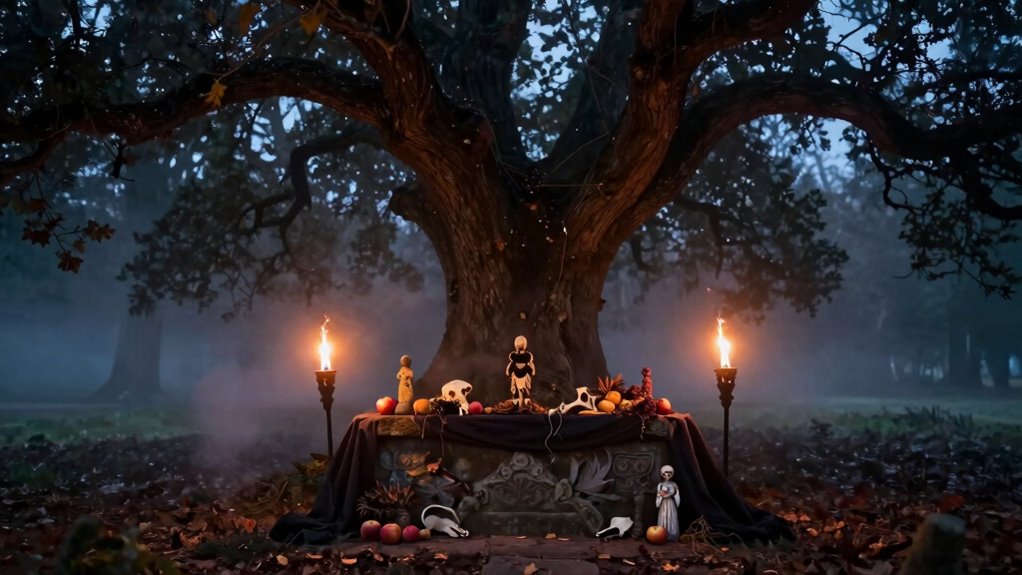
Samhain is often thought of as just a spooky Halloween tradition, but its origins run much deeper into ancient Celtic culture. This festival was a crucial part of Celtic traditions, marking a time when the boundary between the living and the dead was believed to be thinnest. You might see it as a simple autumn celebration now, but back then, Samhain was rooted in profound ancient rituals that connected communities with their ancestors and the spiritual world. It wasn’t merely about costumes or trick-or-treating; it was a sacred event filled with rituals designed to honor the dead, seek protection, and ensure a good harvest for the coming year.
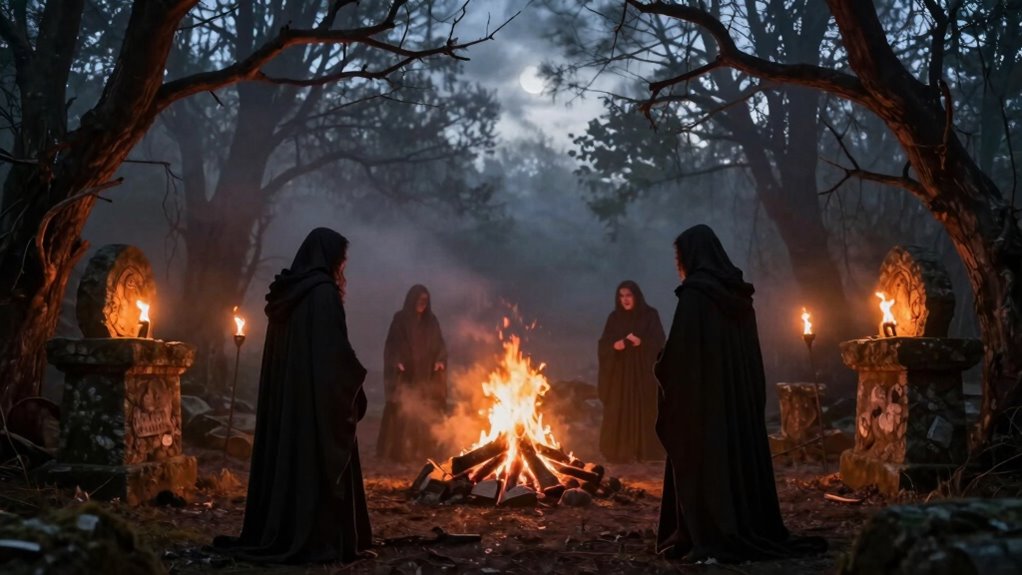
During Samhain, Celtic tribes performed specific ancient rituals that reflected their deep spiritual beliefs. They lit bonfires, which served multiple purposes: they were believed to ward off evil spirits, cleanse the community of negativity, and act as a bridge between worlds. These fires played a central role in their ceremonies, symbolizing the sun’s retreat and the darker half of the year. People also wore masks and disguises, not just for fun, but to confuse wandering spirits and protect themselves from malevolent forces that they believed roamed freely during this time. These customs reveal how integral supernatural beliefs were to their daily lives, shaping their understanding of the universe and their place within it.
Celtic rituals like bonfires and masks protected communities and connected them to spiritual realms during Samhain.
Celtic traditions surrounding Samhain also involved offerings and sacrifices. They left food and drink outside their homes to appease wandering spirits and ensure their ancestors’ favor. These offerings were part of a larger tradition of maintaining harmony between the worlds, ensuring that spirits would not cause harm or mischief. These rituals reinforced community bonds, as families and tribes gathered together to celebrate and reflect on their ancestors’ legacies. Understanding the spiritual significance of Samhain helps shed light on how these ancient customs influenced modern practices and shaped cultural heritage. Additionally, the rituals and symbols from this festival continue to influence contemporary Halloween festivities, showing the enduring legacy of these traditions. Recognizing the cultural roots of Samhain can deepen our appreciation for how ancient beliefs continue to resonate in current celebrations.
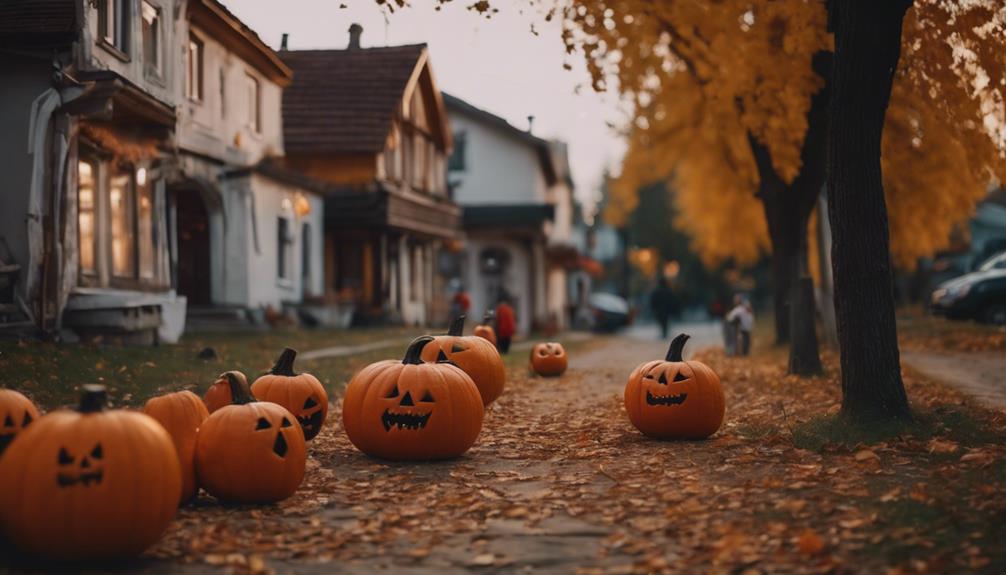
Today’s Halloween customs, like dressing up or carving pumpkins, have roots in these ancient rituals, but they’re just a faint echo of what Samhain truly represented. It was a deeply spiritual, communal event rooted in Celtic traditions that emphasized honoring the dead, safeguarding the living, and maintaining the natural cycle of the seasons. Understanding this history helps you see beyond the spooky costumes and candy, recognizing the festival as a meaningful cultural heritage that connected people to their ancestors and the spiritual sphere in ways that went far beyond modern celebrations.
As an affiliate, we earn on qualifying purchases.
Frequently Asked Questions
How Is Samhain Celebrated Today in Modern Cultures?
You celebrate Samhain today through modern seasonal harvest festivals, where you might light bonfires, share stories, and honor ancestors. Many incorporate ancient druid rituals like honoring spirits and reflecting on the cycle of life. These celebrations often include costumes, candles, and offerings, blending tradition with contemporary practices. You embrace the spirit of the season, connecting to ancient customs while enjoying festive activities that honor the changing harvest and the otherworldly themes of Samhain.
What Symbols Are Traditionally Associated With Samhain?
Like whispers from ancient times, symbols of Samhain reveal its spiritual significance. You’ll notice pumpkins, representing protection and warding off spirits, along with bonfires that symbolize guidance for wandering souls. Other symbols include apples for divination, black and orange colors reflecting the harvest and darkness, and masks to disguise and honor spirits. These symbols connect you to the deep spiritual roots of ancient Celtic traditions, honoring the cycle of life and death.
Are There Any Specific Foods Linked to Samhain Rituals?
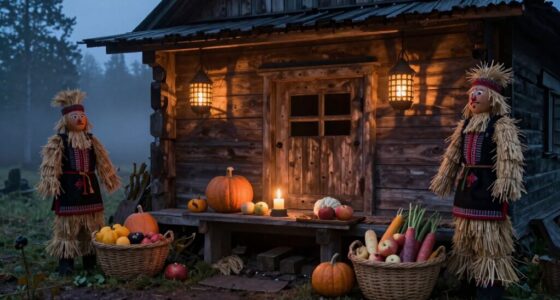
You’ll find that traditional foods linked to Samhain include seasonal harvest offerings like apples, squash, nuts, and grains. Ancient food traditions often involved preparing hearty dishes to honor the changing seasons and ancestors. These foods were used in rituals and feasts, symbolizing gratitude and remembrance. By sharing these seasonal harvest offerings, you connect with the deep-rooted customs that celebrate the cycle of life and death during Samhain.
How Did Samhain Influence Halloween Customs?
Imagine walking through a night where ancestral spirits are invited home, guiding your every step. Samhain influences Halloween customs by blending bonfire rituals and honoring spirits, shaping traditions like trick-or-treating and costume wearing. These customs act as modern echoes of ancient practices, where people sought protection, connection, and remembrance. You participate in this timeless dance, honoring ancestors while celebrating life, transforming old beliefs into the festive spirit you experience today.
Is Samhain Recognized as an Official Holiday Anywhere?
You’ll find that Samhain isn’t officially recognized as a holiday anywhere, despite its roots in Celtic origins and ancient rituals. It remains a cultural and spiritual celebration for some communities, especially in Ireland and Scotland, where people honor their heritage. However, governments haven’t designated it as an official holiday, so it’s mostly observed through private or religious ceremonies rather than public festivities.
Conclusion
So, next time you think of Samhain as just “old Halloween,” remember it’s more like a whisper from the past—rich with meaning and mystery. It’s not simply a ghostly precursor but a vibrant festival rooted in honoring spirits and marking seasonal change. Like a finely woven tapestry, its true story reveals a complex, spiritual tradition that outlives its modern-day shadows, inviting you to see it as a living, breathing part of history rather than just a faded relic.
Halloween Picks
halloween
As an affiliate, we earn on qualifying purchases.