
People across cultures believe in signs from the dead because these symbols and messages give you comfort and strengthen your connection with loved ones who have passed. Whether through dreams, objects, or natural events, these signs are seen as meaningful evidence that spirits still watch over you. They help turn everyday moments into reassurance and hope, showing that death isn’t the end of the bond. Exploring more reveals how these beliefs shape cultural practices around the world.
Key Takeaways
- Signs from the dead serve as spiritual connections, offering comfort and reassurance to the living across various cultures.
- Cultural symbols, dreams, and natural phenomena are interpreted as meaningful messages from ancestors or spirits.
- Rituals and traditions reinforce the belief that signs are tangible evidence of ongoing spiritual presence.
- Interpreting signs helps maintain emotional bonds and provides hope beyond physical death.
- Cultural beliefs frame signs as communication from spirits, ensuring continued connection and understanding between worlds.

Have you ever wondered if signs from the dead are real, or just stories passed down through generations? Many cultures believe in afterlife communications, where messages from loved ones who have passed away appear in ways that seem beyond coincidence. These signs often carry deep cultural symbolism, serving as bridges between the living and the dead. People find comfort in these signals, feeling they’re still connected to those they’ve lost, and that their spirits are watching over them. Across different traditions, signs from the dead manifest in various forms—dreams, physical objects, or sudden feelings of presence—each imbued with cultural meaning that makes them more than mere coincidence.
In many societies, signs from the dead are seen as a form of spiritual communication, a way for spirits to reach out from the afterlife. For example, in Western cultures, a loved one’s unexpected appearance in a dream or a meaningful coincidence—like finding a forgotten keepsake—can be interpreted as a sign that the soul is still nearby. These signs often carry cultural symbolism: a bird might symbolize freedom or the soul’s journey, while a specific number may be associated with a particular message or memory. It’s as if the universe or spiritual domain communicates through symbolic gestures, allowing the living to interpret messages in ways that resonate with their beliefs and traditions. Recognizing these signs often relies on cultural symbolism that imbues everyday events with spiritual meaning.
In other cultures, signs from the dead play a essential role in rituals and spiritual practices. For instance, in Asian traditions, ancestor veneration involves interpreting signs and omens as messages from ancestors, reinforcing family bonds and spiritual continuity. These signs are often viewed as tangible evidence that the ancestors are watching over the family, providing guidance or reassurance. Similarly, in Indigenous cultures, natural phenomena like storms, animal appearances, or unusual weather patterns are seen as signs from spirits or ancestors, carrying specific meanings rooted in cultural symbolism. These interpretations aren’t random—they’re part of a shared understanding that the spiritual world interacts with the physical one through signs that hold cultural significance.
Believers see signs from the dead as more than mere coincidence or superstition; they’re a form of reassurance, a reminder that death isn’t the end and that loved ones continue to communicate in ways that transcend language. Whether through dreams, symbols, or natural events, these signs form a essential part of how cultures understand the afterlife and maintain bonds beyond death. The cultural symbolism embedded in these signs helps people interpret their significance, turning everyday occurrences into meaningful messages from the other side. In this way, the belief in signs from the dead sustains hope, comfort, and a sense of ongoing connection with those who have passed away.

Haunted Hill Farm Soul Sucker Demon Reaper with Child by Tekky, Motion-Activated Talking Halloween Animatronic for Creepy Indoor or Covered Outdoor Halloween Decorations, Plug-in or Battery Operated
Premium Life-size Animatronic: Soul Sucker is perfect for indoors or a covered outdoor area so place our evil...
As an affiliate, we earn on qualifying purchases.
Frequently Asked Questions
How Do Cultural Beliefs Influence Perceptions of Signs From the Dead?
Your cultural beliefs shape how you perceive signs from the dead by influencing your understanding of cultural symbolism and spiritual communication. If your culture emphasizes spirits and ancestors, you’re more likely to see certain symbols or events as meaningful messages. These beliefs guide your interpretation, making you more receptive to signs, and reinforcing your connection to spiritual communication, which offers comfort, guidance, or a sense of ongoing connection with loved ones beyond death.
Are There Scientific Explanations for Signs Believed to Come From the Deceased?
You might wonder if science explains signs from the dead. Neuroscience illusions, like pareidolia, show how your brain perceives familiar patterns, such as seeing faces in random objects, fueling superstition psychology. For example, hearing a whisper that reminds you of a loved one could be a brain’s misinterpretation. These phenomena suggest that what feels like a sign may simply be your mind’s way of processing grief or memory, not supernatural communication.
How Do Personal Experiences Shape Belief in Signs Across Different Cultures?
Your personal anecdotes and cultural narratives strongly influence your belief in signs from the dead. When you experience a meaningful coincidence or receive a message aligned with your cultural background, it reinforces your trust in these signs. Across cultures, shared stories and traditions shape how you interpret such experiences, making you more receptive to believing that the dead communicate through signs. Your worldview and community influence how you perceive these spiritual messages.
What Role Do Rituals Play in Interpreting Signs From the Dead?
Rituals play a essential role in interpreting signs from the dead by using symbolic gestures and ritual symbolism. When you perform these rituals, you create a sacred space that helps you connect with the spiritual domain. These actions, like lighting candles or offering prayers, serve as tangible expressions of your beliefs. They guide your perception, making it easier to recognize and interpret signs as meaningful messages from those who have passed away.
Can Psychological Factors Explain Why People Perceive Signs From the Deceased?
Yes, psychological factors can explain why you perceive signs from the deceased. Psychological biases, like confirmation bias, make you notice and interpret events as signs that support your beliefs. Additionally, emotional coping helps you find comfort and connection after loss, leading you to see signs where none exist. These factors shape your perceptions, providing reassurance and helping you process grief in a meaningful way.

Spirit Halloween 4 Ft 6 In Scary Sitting Scarecrow Animatronic, Multicolor
Bring any Halloween display to life by adding this Scary Sitting Scarecrow Animatronic to your home decor. This...
As an affiliate, we earn on qualifying purchases.
Conclusion
So, next time you see a weird coincidence or feel a nudge from beyond, just remember: it’s probably your brain’s way of saying, “Hey, I’m not quite ready to let go.” Whether it’s signs from the dead or just your mind playing tricks, we all love a good story to keep life interesting. After all, who needs science when you’ve got spirits whispering from the great beyond?

TW SHINE Halloween Doll Decorations Outdoor Animatronics, 40" Crawling Scary Groundbreaker Zombie Sound Activated with Lighted Eyes and Voice for Outside Yard Graveyard Haunted House Prop Decor
Animated Clawing Zombie: Dressed in a white gown, this terrifying zombie features a lifelike face with realistic cracks....
As an affiliate, we earn on qualifying purchases.
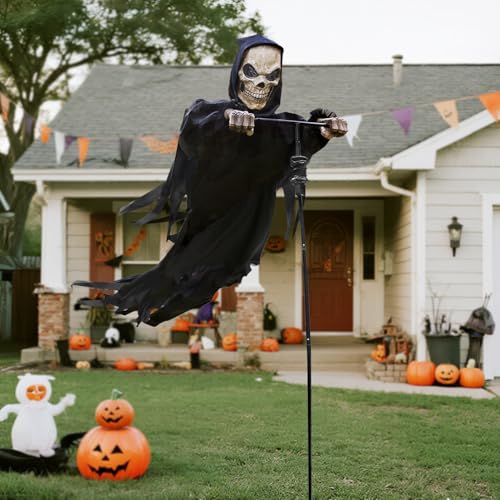
LarpGears Outdoor Halloween Skeleton Decorations, 7.8Ft Flying Rotated Skull Reaper Ghost Scarecrow Decorations for Garden, Porch, Yard
High-Quality Halloween Animatronics: This Halloween prop features animated motion, creating a spine-tingling effect as the reaper ghost appears...
As an affiliate, we earn on qualifying purchases.