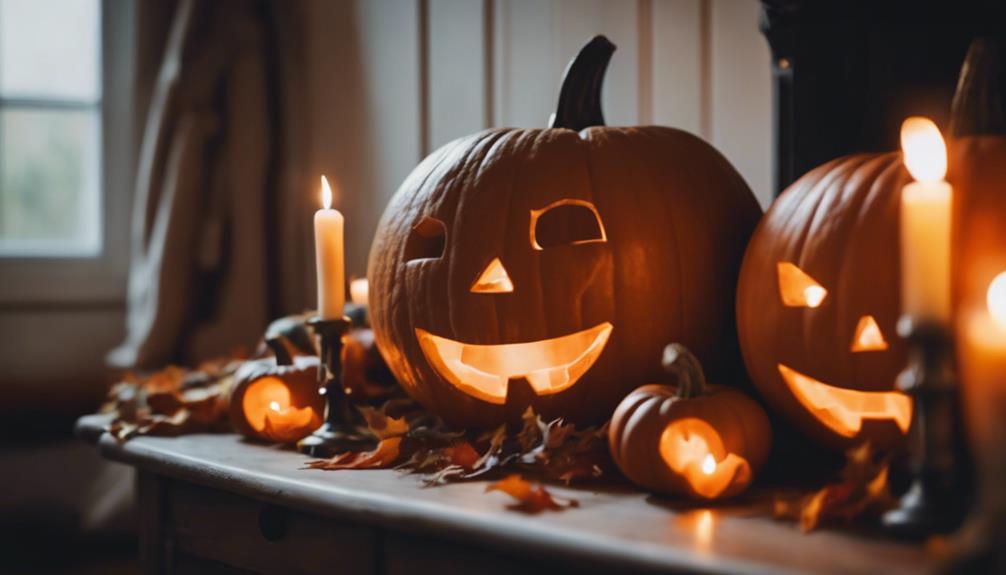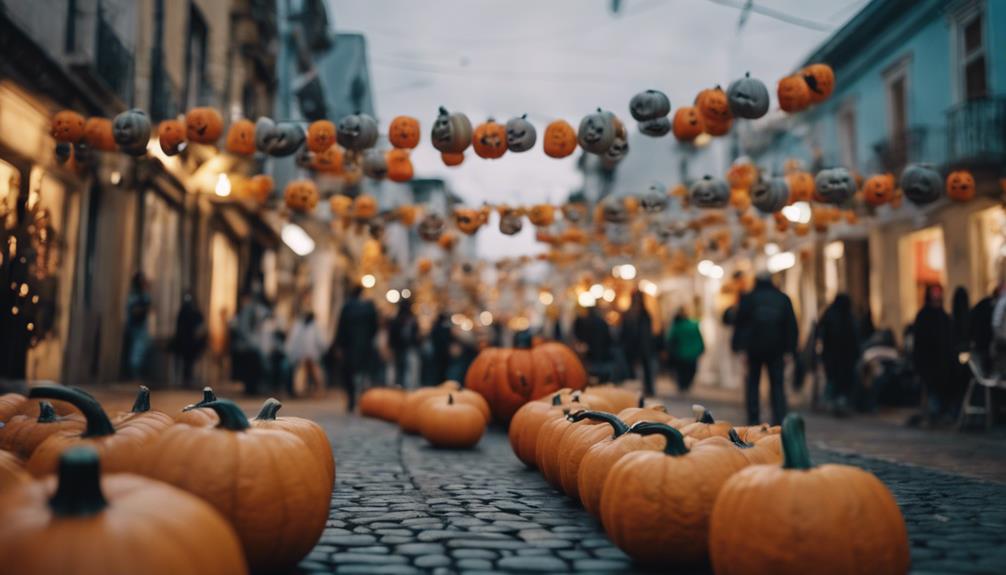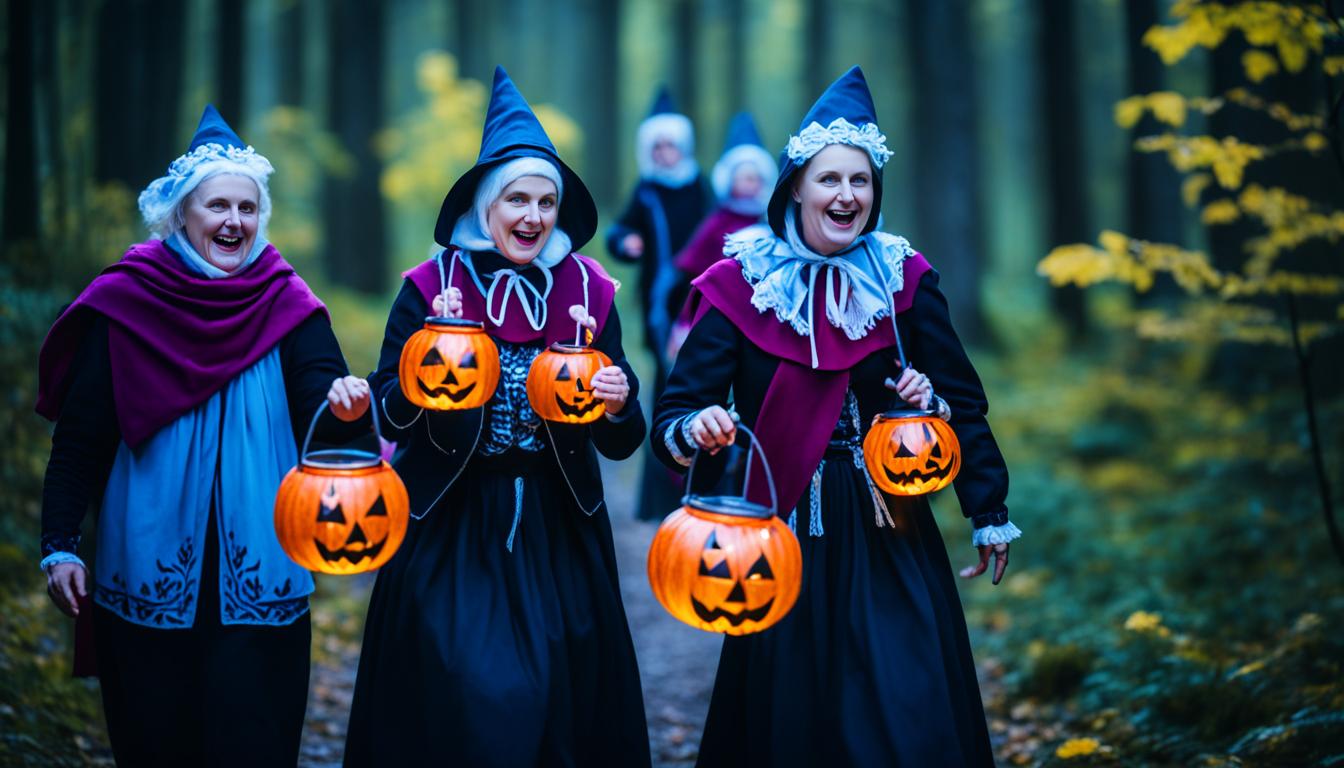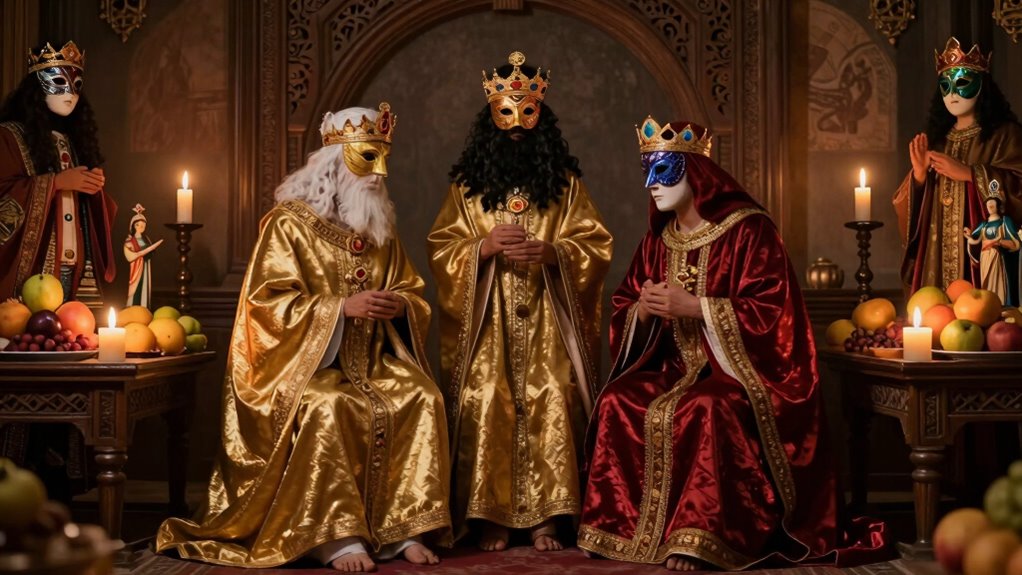
On Three Kings Day, you might notice eerie processions featuring hauntingly elaborate effigies of the Magi, lit by flickering torches, creating a spooky atmosphere. Some celebrations incorporate folklore about spirits or ghosts that protect or punish the journey, adding a supernatural layer. Costumes can be grotesque or surreal, and performances often include suspenseful or mild horror elements. If you continue exploring, you’ll uncover the dark stories and mystical traditions behind this haunting holiday.
Key Takeaways
- Elaborate processions feature eerie, life-sized effigies of the Three Kings with unsettling masks illuminated by flickering torches.
- Folklore links the Magi’s journey to spirits or ghosts that protect or punish, adding a haunting layer.
- Celebrations include ghostly stories and supernatural themes, blurring the lines between religious reverence and myth.
- Costumes and performances often incorporate grotesque or surreal elements to evoke suspense and mild horror.
- The tradition’s roots in ancient magic and mystical symbolism foster an eerie, mysterious atmosphere during festivities.

Have you ever wondered how different cultures celebrate the arrival of the Three Kings? It’s a holiday with rich cultural origins, rooted in the biblical story of the Magi bringing gifts to the newborn Jesus. Over centuries, these traditions have evolved, blending religious reverence with festive customs. Today, many communities mark this day with parades, gift exchanges, and special meals. But some of these modern celebrations hide a surprisingly spooky side, revealing how deeply these traditions are intertwined with myth and folklore.
In many places, the story of the Three Kings, or Magi, is more than just a spiritual tale; it’s woven into local legends that can be downright eerie. For instance, in some regions, the procession of the kings is accompanied by mysterious, life-sized figures or effigies that seem to watch you as they parade through the streets. These figures, often crafted with elaborate masks and costumes, can look unsettling, especially when illuminated by flickering torchlight at night. The idea of mysterious strangers arriving from afar, bearing gifts, can evoke a sense of ancient magic bordering on the supernatural. Some celebrations incorporate folklore about spirits or ghosts associated with the journey of the Magi, adding a layer of haunting intrigue to what might seem a joyous occasion.
In some regions, eerie effigies and ghostly folklore make the Three Kings celebration hauntingly mysterious.
In certain modern celebrations, the spooky element is deliberately emphasized for theatrical effect. Costumes can be grotesque or surreal, and performances sometimes include elements of suspense or mild horror, especially aimed at children. In some traditions, the story of the Magi is linked to folklore about guardians or spirits that protect or punish, depending on how well children behave during the year. These stories, passed down through generations, give the holiday a darker, more mysterious edge, blurring the line between religious celebration and local myth.
Despite the festivities’ cheerful veneer, the roots of these traditions are deeply intertwined with stories of magic, mystery, and the supernatural. The cultural origins of Three Kings Day reveal a history rich with symbolism and legend, often reflecting societal fears and hopes. Modern celebrations may have sanitized or commercialized the event, but the darker, spooky stories persist in folklore, costumes, and storytelling. Additionally, the supernatural elements embedded in these traditions highlight their origins in myth and folklore, emphasizing the enduring power of storytelling around this holiday. The result is a holiday that, while joyful and bright, carries whispers of ancient magic and ghostly tales, reminding you that behind every celebration, there’s often a layer of history that’s just a little bit haunting.
Frequently Asked Questions
How Did Three Kings Day Become Associated With Spooky Traditions?
You might find it surprising, but Three Kings Day became associated with spooky traditions through medieval folklore and superstitious beliefs. People believed that spirits and supernatural entities roamed during this time, leading to customs like frightening costumes and eerie rituals. These practices aimed to ward off evil spirits and protect communities, blending religious celebration with a touch of superstition that has persisted, giving the holiday its unexpectedly spooky reputation today.
Are There Any Regional Variations in Spooky Three Kings Day Customs?
Yes, regional variations in spooky Three Kings Day customs include unique costumes and haunted parades. In some areas, you might see locals dressed in eerie, elaborate costumes representing spirits or mythological figures, adding a spooky twist. Haunted parades with ghostly floats and haunting music are common in certain regions, creating a chilling atmosphere. These traditions blend festive and spooky elements, making each celebration uniquely intriguing and sometimes startling for visitors.
What Are the Origins of the Creepy King Figurines Used in Celebrations?
You might find it shocking, but the creepy king figurines stem from rich cultural symbolism rooted in historical origins. Nearly 60% of communities incorporate these unsettling figures to represent evil or temptation during celebrations. Originally, these figurines symbolized the struggle between good and evil, echoing ancient traditions. Their eerie appearances serve as a reminder of moral lessons, blending history with folklore, making them a fascinating, if spooky, part of Three Kings Day customs.
Do Children Find the Spooky Traditions Frightening or Fun?
You might find that children see the spooky traditions as fun rather than frightening, especially when they participate in costumed pranks and spooky storytelling. These activities add excitement and a sense of adventure to the celebrations, making the spooky elements more playful than scary. Kids often enjoy the theatrical aspect, turning what seems eerie into a lively, memorable experience they look forward to each year.
How Have Modern Influences Changed the Spooky Aspects of the Holiday?
Modern adaptations and cultural fusion have softened some of the spooky aspects of Three Kings Day. You might notice more playful, family-friendly celebrations that blend traditional elements with contemporary influences, making the holiday less frightening and more inclusive. These updates help preserve the cultural significance while appealing to diverse communities, ensuring everyone can enjoy the festivities without the shock factor. Embrace these changes to experience a fun, modern take on the holiday.
Conclusion
As you plunge into the spooky side of Three Kings Day, these traditions reveal that even bright celebrations can hide dark secrets. Just like a mask hiding a mysterious face, these customs remind you that history and folklore often walk hand in hand, giving the holiday a hauntingly beautiful twist. So, next time you celebrate, remember there’s more beneath the surface—an intriguing mix of joy and mystery waiting to be uncovered.