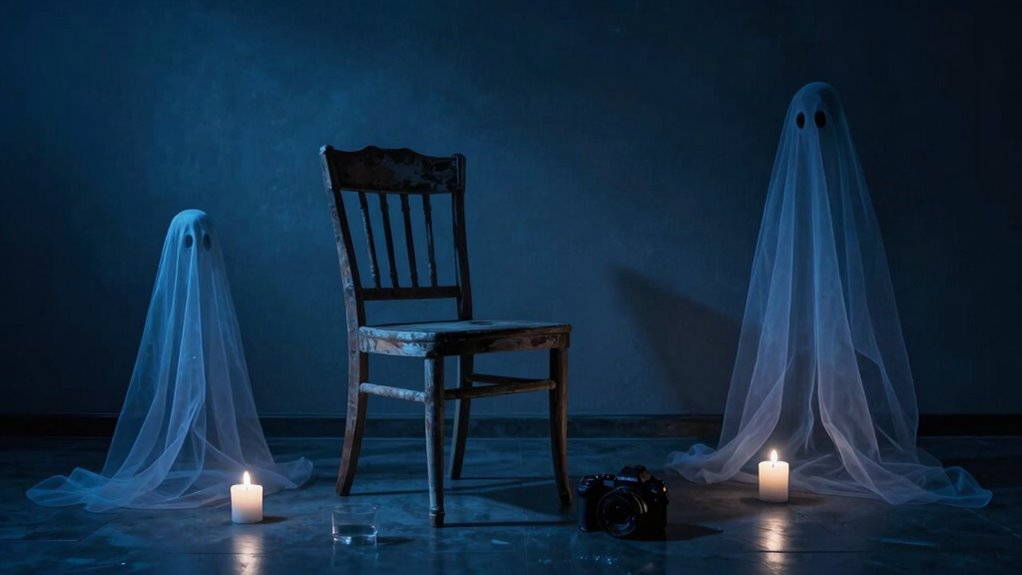

To plan actor-free scares for introverts, focus on creating immersive environments that use subtle visual and sensory cues, like flickering lights, shadows, and ambient sounds, instead of loud noises or sudden movements. Incorporate tactile elements and layered effects to spark curiosity and intrigue without overwhelming visitors. Use carefully timed surprises and environmental details to build anticipation and mystery, ensuring a comfortable, engaging experience. To learn how to craft these atmospheres effectively, keep exploring the ideas ahead.
Key Takeaways
- Use atmospheric lighting, ambient sounds, and tactile elements to create a mysterious environment that stimulates curiosity without overwhelming.
- Incorporate visual surprises like flickering shadows and hidden projections to evoke mild intrigue safely.
- Implement sensory effects such as scent machines and temperature shifts to enhance immersion subtly.
- Design experiences that encourage exploration and discovery, avoiding direct confrontations or sudden scares.
- Carefully time surprises and layer sensory cues to maintain control, ensuring comfort and engagement for introverted participants.
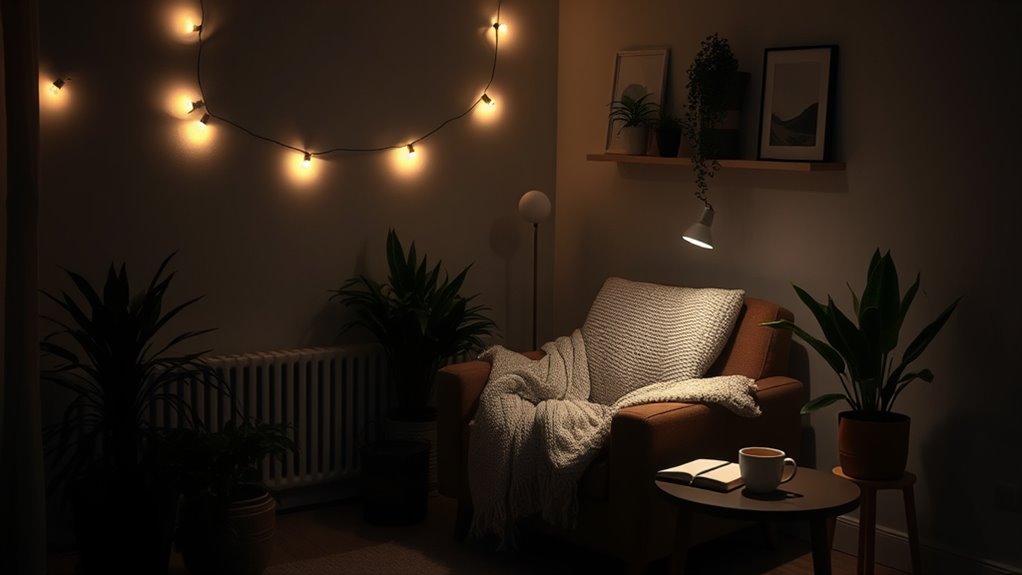
For introverts, traditional scare attractions can feel overwhelming or exhausting. The loud noises, sudden movements, and the presence of actors can push your comfort zone far beyond what you’re willing to endure. That’s why planning actor-free scares is a smart move—these experiences allow you to enjoy the thrill of a scare without the chaos of live actors. Instead, focus on creating immersive experiences that engage your senses in a way that’s controlled and comfortable. You want to craft an environment that pulls you in through atmospheric details, intriguing visuals, and carefully timed surprises that heighten sensory engagement without feeling invasive.
Start by designing an environment that sparks curiosity and invites exploration. Use lighting, sound, and textures to build an atmosphere that’s eerie yet inviting. Dim, flickering lights can cast shadows that create a sense of mystery, while ambient sounds—whispering winds, distant thunder, or subtle footsteps—heighten your senses without startling you. Incorporate tactile elements as well: rough walls, sticky surfaces, or unexpected textures that encourage touch and exploration. These sensory engagement tactics help you feel immersed in the experience without feeling threatened or overwhelmed, allowing you to control your engagement level.
Design an eerie yet inviting atmosphere with flickering lights, ambient sounds, and tactile elements to encourage exploration and curiosity.
You can also add visual surprises, like hidden projections, flickering images, or moving shadows, that evoke a sense of mystery or dread. These elements can be timed to surprise or unsettle you in a gentle, controlled way, ensuring the scare remains fun rather than frightening. The key is to craft a layered environment where each sensory cue builds anticipation and curiosity rather than fear. This way, you’re actively involved in the experience, but not subjected to unpredictable surprises or direct confrontations with actors.
Incorporating immersive elements like scent machines or temperature changes further elevates the sensory experience. A sudden burst of a specific smell can trigger subconscious reactions, while subtle shifts in temperature can make parts of your environment feel colder or warmer, adding depth to the illusion. These techniques create a multi-dimensional world that surrounds you and keeps your attention focused on the environment itself. Additionally, understanding how to design immersive experiences enhances your ability to create controlled, engaging scare environments that respect your comfort zone. This approach allows for a personalized scare experience—one that’s engaging and fun without crossing into discomfort or anxiety.
Frequently Asked Questions
Can Actor-Free Scares Be Effective for All Introverts?
Actor-free scares can be effective for many introverts, especially when using virtual reality or sensory deprivation techniques. You might prefer immersive experiences that don’t involve direct interaction, allowing you to feel the thrill without social pressure. These methods engage your senses and imagination, providing a personalized scare that’s intense yet comfortable. While not everyone responds the same, many find actor-free options a perfect way to enjoy spooky thrills quietly and confidently.
What Safety Precautions Are Necessary for Actor-Free Scare Events?
You should prioritize safety protocols and emergency planning, as 85% of scare events report at least one safety concern. Guarantee clear exits, accessible routes, and trained staff are in place. Have first aid kits ready and establish communication channels for emergencies. Regularly review safety procedures with your team, and clearly inform guests about safety measures. These precautions protect everyone and create a fun, safe experience for all participants.
How Do I Customize Scares for Different Comfort Levels?
You can customize scares by incorporating personalized triggers that match each person’s comfort level. Start by asking your guests about their preferences and sensitivities. Use sensory adjustments like dim lighting or softer sounds for those who prefer milder experiences. Gradually increase intensity for others while providing options to opt-out or take breaks. This way, you guarantee everyone feels safe and enjoys the scare, tailored specifically to their comfort zones.
Are There Budget-Friendly Options for Actor-Free Scare Setups?
Budget-friendly scares beckon with brilliant DIY props and clever lighting tricks. You can craft creepy cardboard cutouts or repurpose household items to create eerie environments without breaking the bank. Use string lights or flashlights strategically to cast sinister shadows and amplify suspense. These simple, cost-effective tricks deliver startling surprises, making your scare setup both affordable and effective. No need for expensive actors—just creative cues and clever illumination!
How Do I Gauge if Someone Is Genuinely Frightened or Uncomfortable?
You can gauge if someone’s genuinely frightened or uncomfortable by paying attention to their facial cues and vocal tone. If their eyes widen, eyebrows raise, or they freeze, they might be scared. A trembling voice or quickened breathing also signals discomfort. Stay observant, and if they seem overwhelmed, consider easing up. Respect their reactions—it’s better to create a fun experience than push someone beyond their comfort zone.
Conclusion
Remember, crafting actor-free scares for introverts is like whispering in the dark—gentle yet impactful. By respecting their boundaries and creating immersive surprises, you turn fear into fascination, much like a moonlit dance of shadows. With patience and creativity, you’ll build an experience that lingers, echoing softly like a secret kept close. In this quiet thrill, every subtle detail becomes a story, inviting them to embrace the thrill without ever stepping into the spotlight.