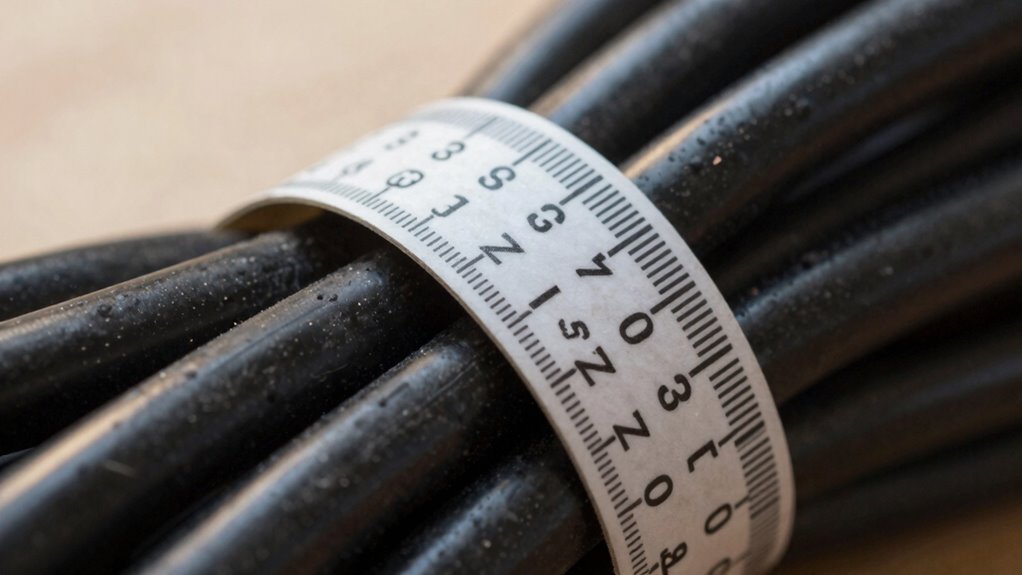

To prevent overheating, choose an extension cord with the right gauge for your device’s power needs. For heavier tools or appliances, a thicker cord with a lower gauge (like 10 or 12) is best, while lighter devices can use higher gauges (such as 16 or 18). Always match the cord’s gauge to the task to avoid risks and guarantee safety. If you want to understand more about selecting the proper gauge, keep exploring for additional tips.

Get decor and gifts delivered free with Prime
- Fast, free delivery on millions of items
- Prime Video, Amazon Music and more included
- Member-only deals all year
Key Takeaways
- Use lower gauge numbers (10-12) for heavy-duty tools to prevent overheating.
- Match extension cord gauge to device power requirements for safety.
- Avoid overloading cords beyond their rated capacity to prevent heat buildup.
- Regularly inspect cords for damage and replace if frayed or worn.
- Keep cords uncoiled during use to reduce heat accumulation and ensure safe operation.
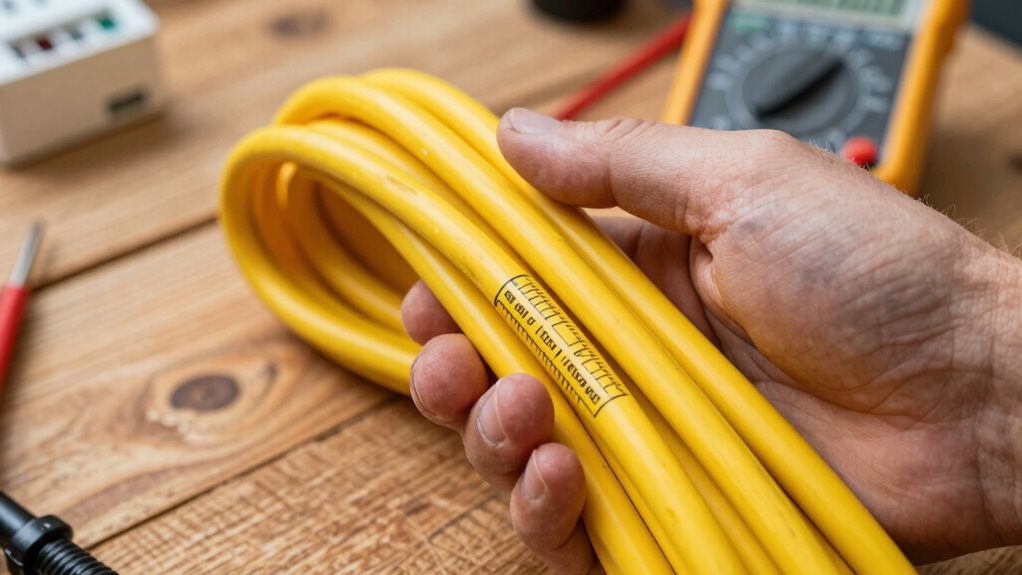
When choosing an extension cord, understanding its gauge is vital for safety and performance. The gauge refers to the thickness of the wire inside the cord, which directly impacts how much current it can safely carry. A lower gauge number indicates a thicker wire that can handle higher electrical loads without overheating. Conversely, a higher gauge number means a thinner wire, suitable for lighter tasks but potentially hazardous if used improperly. Picking the right gauge prevents overheating, reduces fire risks, and guarantees your devices operate efficiently.
Safety tips are essential when working with extension cords. Always match the cord’s gauge to the power requirements of your tools or appliances. For example, heavy-duty power tools like saws or large heaters need a thicker, lower-gauge cord—typically 10 or 12 gauge—to handle the load safely. For lighter devices like lamps or phone chargers, a higher-gauge cord, such as 16 or 18, is sufficient. Avoid overloading a cord beyond its rated capacity, as this can cause the wire to heat up and pose fire hazards. Never force a higher-gauge cord into an outlet or extension socket designed for a lower gauge; this can damage the cord and create unsafe conditions. Additionally, understanding wire capacity is essential for selecting the correct gauge and preventing potential hazards. Properly rated cords also prevent the risk of electrical shock and ensure compliance with safety standards.
Usage guidelines also emphasize inspecting your extension cords regularly. Look for frayed wires, exposed conductors, or damaged insulation, and replace cords showing signs of wear. Always uncoil the entire length of the cord before use—coiled cords can trap heat and increase the risk of overheating. When plugging in multiple devices, ensure the combined load doesn’t exceed the cord’s maximum capacity. Keep cords away from water, heat sources, and high-traffic areas to prevent accidental damage or tripping hazards. Using outdoor-rated extension cords for outdoor tasks is a must, as they’re designed to withstand moisture and temperature fluctuations. Being aware of laboratory safety standards can also help when using extension cords in specialized environments, ensuring safety for everyone involved. Additionally, understanding biodiversity and conservation principles can promote safer, more sustainable use of electrical equipment in eco-friendly settings.
Knowing the gauge of your extension cord is a simple yet critical step toward safe and efficient electrical use. By following safety tips and usage guidelines, you minimize risks and extend the life of your cords. Always prioritize the power needs of your devices and the environment in which you’re working. When in doubt, opt for a lower gauge cord for heavy-duty tasks or consult a professional. Remember, choosing the right extension cord gauge isn’t just about convenience—it’s about keeping yourself and your property safe from electrical hazards. Proper selection and care ensure your extension cords serve you well without compromising safety.
heavy duty extension cord 10 gauge
As an affiliate, we earn on qualifying purchases.
As an affiliate, we earn on qualifying purchases.
Frequently Asked Questions
How Often Should I Replace My Extension Cord?
You should replace your extension cord if it shows signs of damage, fraying, or exposed wires. Regularly check for overheating or melting insulation, and avoid wrapping cords tightly for storage. Proper cord storage helps prolong its life and maintains electrical safety. Never use a damaged cord, as it increases fire risk and electrical hazards. Replacing cords promptly keeps your workspace safe and guarantees reliable power delivery.
Can I Use a Thicker Gauge Cord for Heavier Appliances?
Yes, you can use a thicker gauge cord for heavier appliances, but only if the material is compatible with your device’s power needs. Remember, storage best practices matter—coil it properly and keep it dry. Ironically, choosing the thickest cord isn’t always better; overkill can lead to stiffness or damage. Always match the gauge to your appliance’s requirements and consult the manufacturer’s guidelines for safe use.
What Signs Indicate My Extension Cord Is Overheating?
If your extension cord materials feel hot to the touch, it’s overheating. You might notice a burning smell or discoloration on the cord’s insulation, which are signs of overheating. To prevent this, always check for overheating signs and avoid overloading the cord. Proper overheating prevention involves choosing the right gauge for your appliances and ensuring your extension cord isn’t subjected to prolonged high wattage use.
Are There Safety Certifications I Should Look For?
Don’t overlook the signs of a safe extension cord—look for safety labels and certification standards, like UL or ETL marks. These labels show the cord meets strict safety guidelines, giving you peace of mind. Always choose cords with recognized certifications; otherwise, you’re sailing close to the wind. Trust me, sticking to certified cords is a smart move to prevent hazards and keep your power flowing safely.
How Does Cord Length Affect Its Gauge Requirements?
You should consider that longer extension cords require a thicker gauge wire to prevent overheating, as increased length can cause voltage drops. When choosing a cord, check its wire insulation quality and verify plug compatibility with your outlets. A thicker gauge (lower number) is better for longer distances, helping maintain safety and performance. Always match the cord’s gauge to your specific needs to avoid electrical issues and guarantee safe, reliable use.
Conclusion
Remember, choosing the right gauge isn’t just about numbers — it’s about keeping your devices cool and your home safe. Think of the cord as a highway, where thicker lanes (lower gauge numbers) allow a smooth, fast flow of power without overheating. When you pick the right gauge, you’re guiding electricity safely, like a steady hand steering clear of a fiery crash. Stay vigilant, choose wisely, and let your extension cords work quietly in the background, never in the danger zone.
Halloween Picks
halloween
As an affiliate, we earn on qualifying purchases.