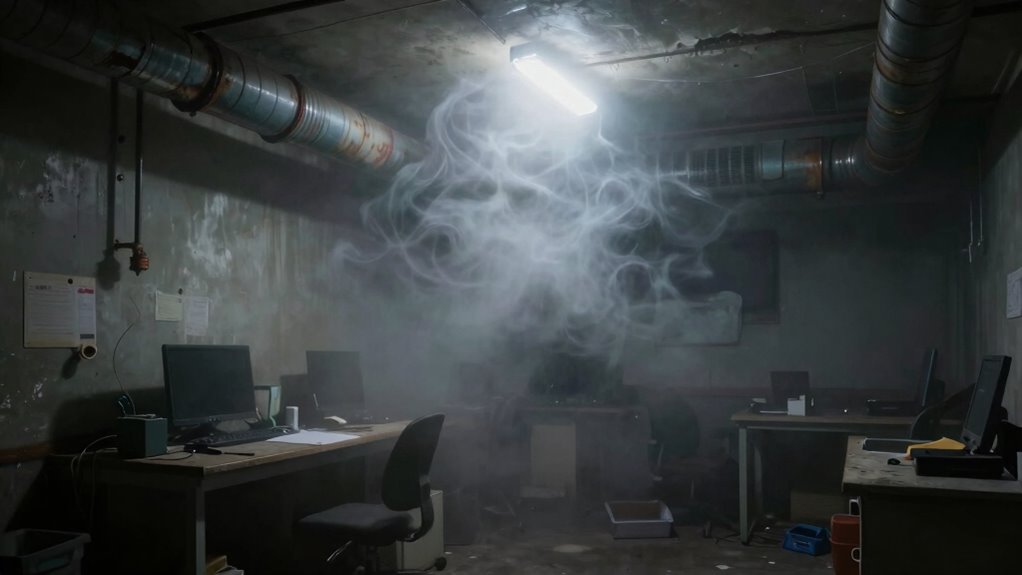

When using indoor fog machines, it’s essential to follow the ventilation rule, yet many ignore it. Tiny fog particles from glycol or glycerin can degrade air quality, especially if you don’t open windows, turn on exhaust fans, or use air purifiers. Without proper airflow, these particles build up, causing respiratory irritation and potential health risks. Even short fog sessions in sealed rooms can be dangerous. Keep your space safe by mastering the right ventilation techniques—you’ll discover how to do it effectively.

Get decor and gifts delivered free with Prime
- Fast, free delivery on millions of items
- Prime Video, Amazon Music and more included
- Member-only deals all year
Key Takeaways
- Proper ventilation before, during, and after fog machine use prevents harmful particle buildup indoors.
- Ignoring ventilation increases health risks like respiratory irritation and worsens existing conditions.
- Using exhaust fans, opening windows, and air purifiers effectively disperses fog particles.
- Short fog sessions can still cause significant indoor air contamination without ventilation.
- Monitoring indoor air quality ensures safe breathing conditions during and after fog machine use.
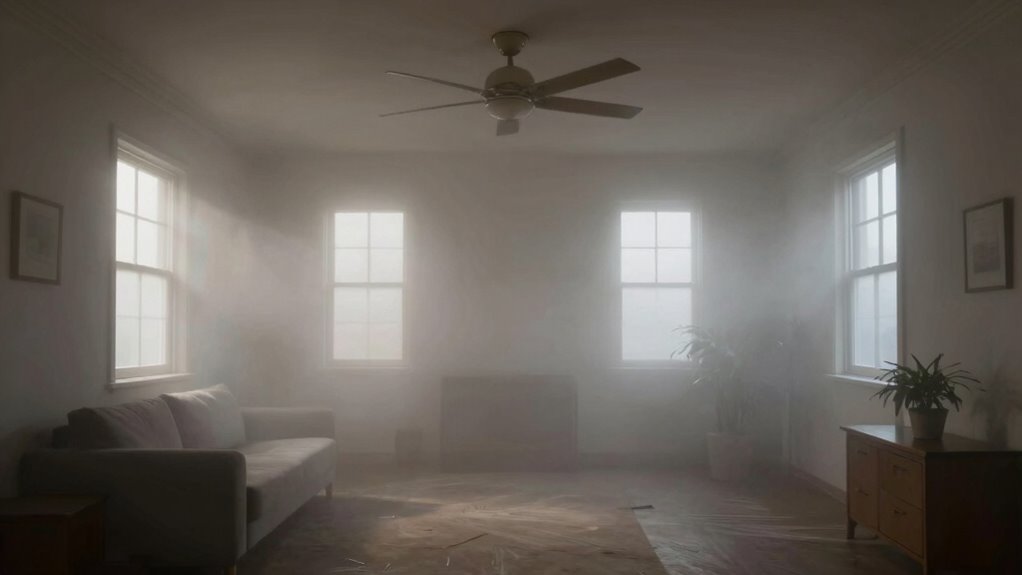
Have you ever considered the risks associated with indoor fog machines? When you use fog machines indoors, you might focus on the dramatic visual effects or the atmosphere it creates, but the impact on air quality is often overlooked. Fog fluid, typically made from glycol or glycerin-based substances, releases tiny particles into the air when heated, which can linger and degrade indoor air quality. Prolonged or frequent use without proper ventilation can lead to a buildup of these particles, potentially causing respiratory irritation or other health risks. If you’re not mindful of ventilation, you might notice coughing, throat irritation, or headaches after a fog session, especially in enclosed spaces. This isn’t just about discomfort; poor air quality can exacerbate existing respiratory conditions like asthma or allergies.
Many people underestimate how quickly these particles accumulate and how long they remain suspended in the air. Ignoring the ventilation rule—simply turning on a fan or opening a window—can notably worsen indoor air quality. You might think that a brief fog session won’t cause harm, but the reality is that without proper airflow, the concentration of fog particles can reach levels that threaten your health. Especially in tightly sealed rooms, the fog lingers, and you could unknowingly expose yourself and others to increased health risks. For individuals with respiratory sensitivities, the consequences can be more severe, leading to breathing difficulties or inflammation. Additionally, understanding the composition of fog fluid and its potential air quality impact is crucial for safer indoor use. Recognizing the airborne particles involved helps in assessing the risks and taking appropriate precautions.
In addition, many users are unaware that certain ventilation methods are more effective than others in dispersing fog particles quickly, ultimately reducing health hazards. The key to managing indoor fog safety lies in understanding the importance of ventilation. You should always plan to ventilate the space before, during, and after fog machine use. Opening windows, turning on exhaust fans, or using air purifiers can help clear out fog particles and improve air quality. Using air quality monitors can also help you determine if the air is safe to breathe after fog use. Many underestimate how critical this step is, assuming that short use or small spaces won’t be affected. Proper ventilation not only disperses fog particles but also helps reduce the buildup of potentially harmful substances in the air, which is especially important in enclosed spaces. In reality, even brief exposure in poorly ventilated environments can accumulate enough particles to cause discomfort or health issues. It’s a simple precaution that can prevent unnecessary health risks. Always remember, good ventilation is your best defense against the unseen dangers of indoor fog. It ensures the air remains safe, minimizing health risks and keeping your environment comfortable and healthy for everyone involved.
As an affiliate, we earn on qualifying purchases.
Frequently Asked Questions
What Are the Common Sources of Indoor Fog?
You might notice indoor fog from sources like cooking, showering, or even humidifiers, which increase humidity levels. Poor ventilation can trap this moisture, creating foggy conditions. To prevent this, focus on humidity control by using exhaust fans and dehumidifiers. Regular air purification also helps remove excess moisture and pollutants, keeping your indoor air clear and reducing fog formation. Proper ventilation is essential for a healthier, fog-free environment.
How Long Does Indoor Fog Typically Linger?
Think of indoor fog as a ghost lingering in a haunted house, slowly fading. Usually, it stays for about 30 minutes to a few hours, depending on humidity control and air purification. If you open windows or use fans, you can chase it away faster. Proper ventilation guarantees the fog disperses quickly, restoring clarity and fresh air. Ignoring ventilation allows the fog to cling, making your space feel damp and mysterious longer.
Are There Health Risks From Indoor Fog Exposure?
Yes, there are health risks from indoor fog exposure. When you’re exposed, airborne chemicals can cause respiratory irritation, leading to coughing, sore throat, or difficulty breathing. Long-term exposure might increase the risk of more serious respiratory issues. It is crucial to guarantee proper ventilation, especially during fog events, to reduce airborne chemicals and protect your respiratory health. Ignoring ventilation rules can substantially heighten these risks.
Can Indoor Fog Damage Electronic Devices?
Imagine you’re in a sci-fi movie—indoor fog can damage your electronics. Yes, fog condensation can cause electronic sensitivity issues by seeping into devices and creating short circuits. This moisture buildup might lead to malfunction or permanent damage over time. To prevent this, make certain proper ventilation and keep devices dry. Ignoring fog safety increases the risk of electronic harm, so stay vigilant and maintain a dry environment to protect your gadgets.
What Are Quick Ways to Clear Indoor Fog?
To quickly clear indoor fog, you should turn on an air purifier with a HEPA filter to remove tiny particles, including fog droplets. Simultaneously, increase ventilation by opening windows or doors to promote airflow. Using a dehumidifier helps control humidity levels, preventing fog from settling again. These steps work together to rapidly clear indoor fog and improve air quality, protecting your electronic devices and promoting a healthier environment.
Conclusion
Remember, ignoring proper ventilation is like inviting a thick fog into your home—dark, confusing, and risky. If you don’t clear the air, you risk trapping harmful fumes that can cloud your health and safety. Think of ventilation as your home’s breath of fresh air, a silent guardian keeping danger at bay. So, don’t let the fog settle in unnoticed; open those windows and let the clear, healthy air flow freely. Your safety depends on it.
Fall Picks
fall essentials
As an affiliate, we earn on qualifying purchases.