
Stake safety often goes unnoticed in yard setups, but it’s essential to prevent injuries. Handling stakes without proper precautions can lead to slips, falls, and puncture wounds. Be aware of weather conditions like rain or wind, which can make stakes unstable or cause accidents. Always wear protective gear and use the right tools carefully. Proper placement and removal of stakes reduce trip hazards and injuries. Keep exploring to discover more ways to stay safe while working outdoors.

Get decor and gifts delivered free with Prime
- Fast, free delivery on millions of items
- Prime Video, Amazon Music and more included
- Member-only deals all year
Key Takeaways
- Improper stake handling can cause sudden injuries like cuts, bruises, or punctures during yard setup.
- Hidden obstacles or unstable soil increase the risk of stakes shifting or causing accidents.
- Poorly placed or loose stakes can trip or fall, leading to falls or impact injuries.
- Weather conditions such as rain or heat exacerbate hazards like slipping or heat exhaustion.
- Lack of protective gear and unsafe tool use heighten the chance of preventable injuries.
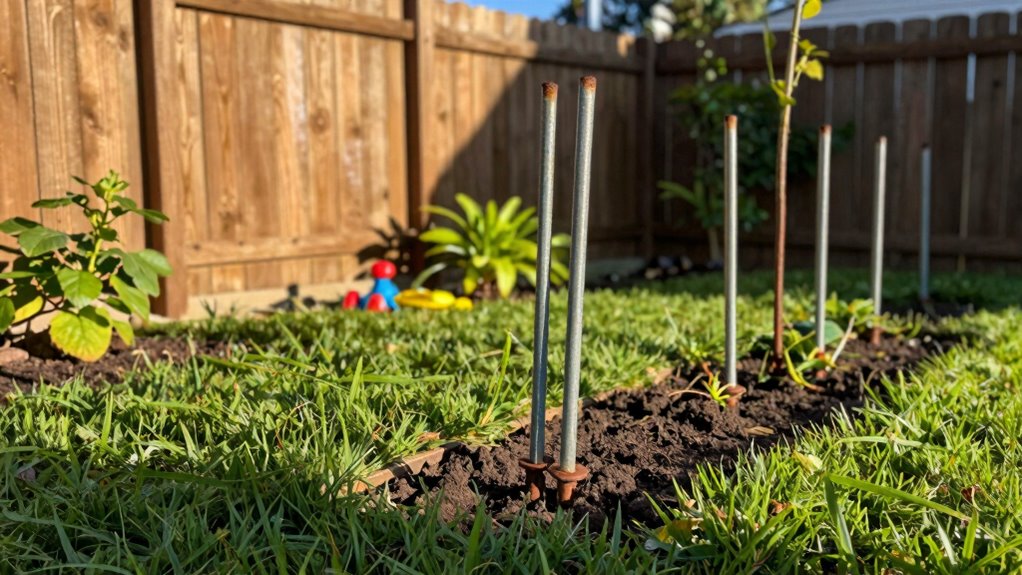
Have you ever considered how essential stake safety is when working with outdoor equipment or constructing fences? Many people overlook the risks involved with stakes, especially in yard setups where garden tools and fencing are common. Stakes might seem straightforward—just driven into the ground to mark boundaries or support structures—but they pose significant injury risks if not handled properly. Your focus should be on preventing accidents that can happen suddenly and cause serious harm, often due to overlooked safety measures.
Stake safety is crucial; proper handling prevents sudden accidents and serious injuries in yard work.
When working with garden tools or installing stakes, always remember that weather hazards can complicate the task. Rain, wind, or extreme heat can make the ground harder to work with or cause stakes to shift unexpectedly. Wet soil, for example, can make it easier for stakes to slip or become unstable, increasing the risk of injury. Wind can cause loose stakes to fall or shift when you’re not paying attention, and heat exhaustion can impair your focus, leading to careless mistakes. Stay alert to these weather conditions and adjust your work accordingly. For instance, avoid driving stakes into saturated ground or during stormy weather, and take frequent breaks in hot weather to stay hydrated and focused.
Using garden tools safely is paramount, especially when working near stakes. Hand tools like shovels, post drivers, or hammers can cause injuries if mishandled. Always wear protective gear—gloves, safety glasses, and sturdy boots—to shield yourself from flying debris or accidental slips. When working with power tools, double-check that they’re in good condition and used according to instructions. Be cautious when driving stakes into the ground; strike with controlled force to avoid ricochets or slips that could cause cuts, bruises, or more severe injuries. Keep your workspace clear of unnecessary clutter to prevent tripping or accidental contact with sharp tools.
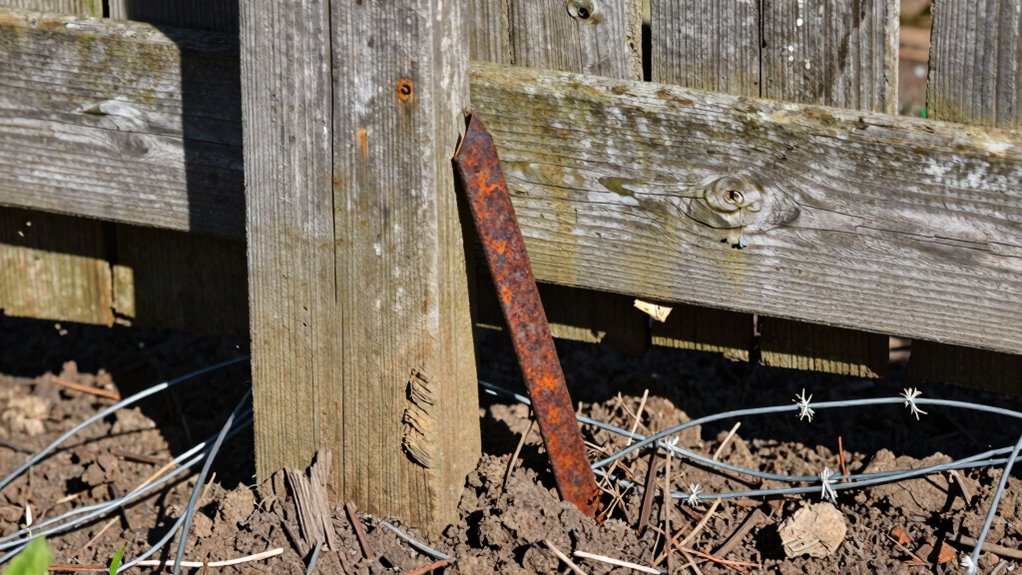
It’s equally important to pay attention to the placement of stakes. Drive them deep enough to be stable but avoid driving them too far into the ground, which can cause unexpected pops or splinters if they hit hidden rocks or roots. When removing or adjusting stakes, do so carefully, ensuring they’re not loose or leaning dangerously. If stakes are left exposed, especially in areas with foot traffic or where children play, they become trip hazards or cause injuries if someone falls onto them. Additionally, understanding the proper staking techniques can help prevent accidents and ensure your yard setup remains safe and secure. Recognizing the potential hazards associated with stakes can help you take appropriate precautions to minimize injury risks. Paying attention to weather conditions can also guide your timing and safety measures during stake installation. Moreover, using correct tools and techniques can significantly reduce the likelihood of accidents during staking projects. Incorporating safety guidelines into your routine further enhances overall yard safety and helps prevent unnecessary injuries.
Ultimately, stake safety isn’t just about avoiding immediate injuries; it’s about being proactive. Recognize the dangers posed by weather hazards and always use proper garden tools with the right safety precautions. When you stay vigilant and prepared, you protect yourself and others from preventable accidents, making your yard setup safer and more efficient.
As an affiliate, we earn on qualifying purchases.
Frequently Asked Questions
How Can I Identify Unstable or Poorly Installed Stakes?
You can identify unstable or poorly installed stakes by checking their stake stability; if they wobble or move easily, they’re likely insecure. Look for signs like uneven height, leaning posts, or shallow installation techniques. Properly installed stakes should be firmly anchored, straight, and stable. Test them by gently pushing or pulling, ensuring they resist movement. Regularly inspecting and adjusting stakes helps prevent accidents caused by instability.
What Safety Gear Should I Wear When Working With Stakes?
Think of your safety as your shield against hidden dangers. When working with stakes, wear protective gloves to guard your hands and safety glasses to shield your eyes from flying debris. These essentials act as your armor, helping prevent cuts, splinters, or eye injuries. Staying protected lets you focus on the task, ensuring your yard work remains safe and efficient while avoiding unnecessary injuries or setbacks.
Are There Specific Stake Materials Safer for Yard Use?
Certain stake materials are safer for yard use, especially compared to metal or sharp-edged options. Plastic or composite stakes often pose less risk of injury, aligning with yard safety regulations designed to minimize hazards. When choosing stakes, compare materials based on durability and safety features. Always follow safety guidelines and wear protective gear to further reduce injury risks, no matter the stake material you select.
How Often Should I Inspect Stakes for Damage or Wear?
You should inspect your stakes at least once a month to guarantee proper stake maintenance and damage prevention. Regular checks help catch cracks, bends, or rust early, reducing injury risks. After severe weather or heavy use, examine them immediately. Staying proactive with inspections keeps your yard safe, prevents accidents, and extends the lifespan of your stakes. Remember, consistent maintenance is key to avoiding hidden hazards and ensuring safety.
What Are the Legal Safety Standards for Stake Installation?
You must follow specific legal compliance regulations for stake installation procedures, guaranteeing safety standards are met. These regulations typically specify proper staking techniques, appropriate materials, and secure anchoring methods to prevent accidents. Always review local building codes and safety guidelines before installation. By adhering to these legal standards, you reduce injury risks and ensure your yard setup complies with safety laws, keeping everyone safe during and after installation.
Conclusion
Stake safety isn’t something to sideline. Staying alert and taking simple steps can considerably reduce risks and reveal real yard security. By being brave in your approach and brushing up on best practices, you better protect yourself and loved ones. So, stay savvy, stay safe, and see your space as a secure sanctuary. Remember, a little awareness and action today can prevent painful problems tomorrow. Keep safety front and center—your yard’s security depends on it!
Halloween Picks
halloween
As an affiliate, we earn on qualifying purchases.