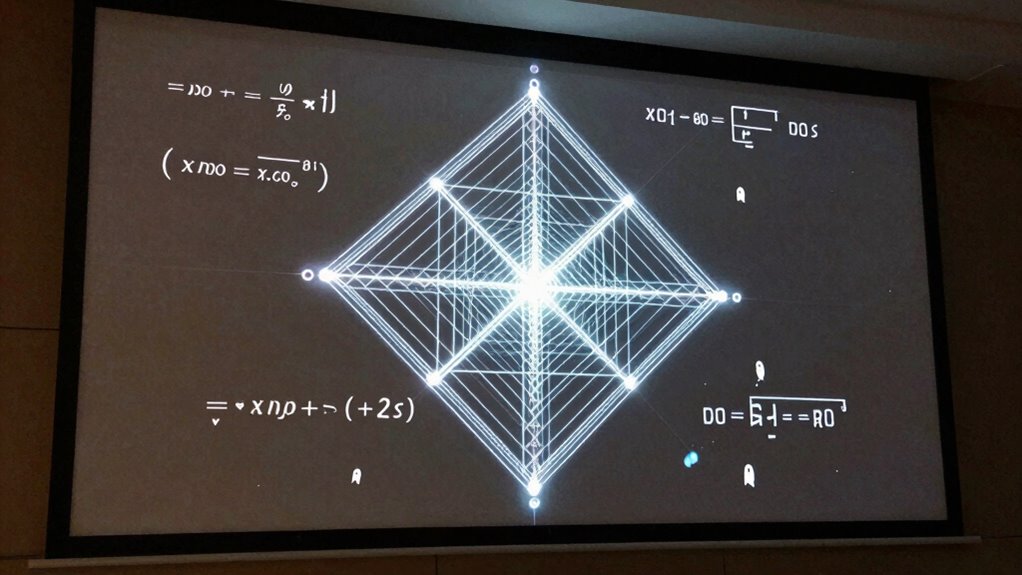
To prevent tiny ghosts on your projector, you need to choose the right screen size and aspect ratio based on your room and viewing distance. Measure your space, and aim for a screen size that fits comfortably within 1.5 to 2.5 times your seating distance. Make sure your projector’s native resolution matches the aspect ratio. This balance helps avoid distortions, shadowing, and flickers. Keep exploring to discover how to fine-tune your setup for perfect picture clarity.

Get decor and gifts delivered free with Prime
- Fast, free delivery on millions of items
- Prime Video, Amazon Music and more included
- Member-only deals all year
Key Takeaways
- Measure your room to select a screen size that fits comfortably without causing shadows or flickering.
- Use the recommended viewing distance (1.5–2.5 times the screen diagonal) to determine optimal size.
- Match the projector’s native resolution and aspect ratio to prevent image distortion and tiny ghosts.
- Ensure the aspect ratio of the screen aligns with the projector’s output for seamless, distortion-free images.
- Balance screen size with room space and projector capabilities to avoid oversizing that causes visual artifacts.
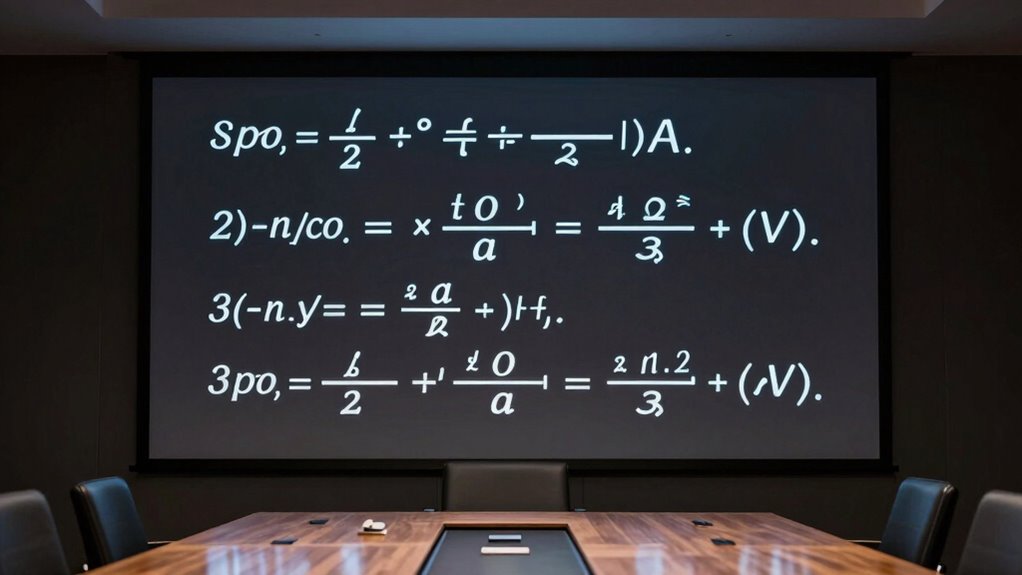
Ever wondered how to select the appropriate projector screen size for your space? It’s a smart question because choosing the wrong size can make your viewing experience frustrating, or even cause tiny ghosts—those annoying shadows or flickers—on your screen. The key lies in understanding the projection aspect and the viewing distance. The projection aspect refers to the ratio of width to height, like 16:9 for widescreens or 4:3 for standard screens. Knowing this helps you pick a size that fits your space without stretching or squishing the image. Meanwhile, your viewing distance—the space between where you sit and the screen—is vital. Sit too close to a large screen, and you risk a blurry, overwhelming image; sit too far, and details might get lost or you’ll have to strain your eyes.
Choosing the right projector size depends on aspect ratio and viewing distance for a clear, immersive experience.
To start, measure your room to determine the maximum screen size that fits comfortably. Then, think about your typical viewing distance. A good rule of thumb is to position yourself about 1.5 to 2.5 times the diagonal size of the screen away from it. For example, if you’re planning a 100-inch screen, your seating should be roughly 12.5 to 20.8 feet back. This range guarantees the image remains sharp and immersive without causing eye strain. When you choose a screen size, consider the projection aspect ratio; a 16:9 screen is ideal for most movies and TV shows, providing a cinematic experience without black bars or distortion. Additionally, aspect ratio compatibility can help ensure your projector and screen work seamlessly together for optimal viewing.
Next, consider how the projection aspect affects your setup. If your projector is optimized for a widescreen display, sticking with a 16:9 aspect ratio helps maintain image clarity and avoid stretching. Conversely, if your space is narrow, a 4:3 aspect ratio might fit better, but it could limit your viewing experience. Always match your projector’s native resolution and aspect ratio to your screen size for the best picture quality. Remember, bigger isn’t always better; an overly large screen in a small room can create tiny ghosts or shadows because the projector struggles to keep up with the size and detail. projection system and aspect ratio are crucial considerations that can help you prevent these issues. Additionally, understanding the projection aspect helps prevent distortion and ensures your setup is optimized. Conversely, a too-small screen in a large room might not deliver the immersive experience you want.
In the end, choosing the right projector screen size comes down to balancing the projection aspect and your viewing distance. When you do the math and plan carefully, you’ll avoid those tiny ghosts and enjoy a crisp, vibrant image that makes your movies, presentations, or gaming sessions truly come alive.
projector screen size calculator
As an affiliate, we earn on qualifying purchases.
As an affiliate, we earn on qualifying purchases.
Frequently Asked Questions
How Does Room Lighting Affect Optimal Projector Screen Size?
Room lighting greatly impacts your ideal projector screen size by affecting ambient glare and color accuracy. Bright ambient light can wash out images, making larger screens less effective unless you control the lighting. To maintain vibrant colors and sharp images, you should dim the room or use blackout curtains. This way, you can choose a screen size that balances visibility, reducing glare and preserving color accuracy for a better viewing experience.
Can Screen Size Influence Image Resolution Quality?
They say “bigger isn’t always better,” and that’s true for screen size and resolution. A larger screen with low pixel density can cause screen distortion, making images look blurry or pixelated. Conversely, a smaller screen with high pixel density offers sharper details. So, yes, screen size impacts image resolution quality; selecting the right size prevents distortion and guarantees your visuals stay crisp and clear, no matter the dimensions.
What Is the Best Aspect Ratio for Different Rooms?
The best aspect ratio depends on your room and viewing distance. For smaller rooms, a 16:9 screen works well, offering a widescreen experience that fits comfortably. In larger spaces, consider a 2.35:1 screen for cinematic width. Choose a screen material that enhances brightness and contrast, and guarantee your viewing distance complements the aspect ratio to avoid strain and achieve ideal image quality.
How Do Different Projector Types Impact Ideal Screen Size?
Imagine a tiny ghost trying to hide behind a massive screen—that’s your projector type impact. DLP projectors shine brightly and work best with short throw distances, so you can have a larger screen without sacrificing brightness. Meanwhile, LCDs offer consistent brightness for bigger screens, but need more throw distance. Your choice affects the projection brightness and how close or far your projector should be from the screen, shaping your viewing experience.
Is There a Maximum Practical Screen Size for Home Projectors?
Yes, there’s a practical limit to your home projector’s screen size, influenced by screen material and viewing distance. If the screen is too large, you might notice reduced image clarity or color accuracy due to material limitations. Additionally, if the viewing distance isn’t appropriate, it can cause eye strain or make details hard to see. Aim for a size that balances your space, projector capabilities, and ideal viewing distance for a sharp, vivid picture.
Conclusion
So, next time you choose a projector screen, remember that bigger isn’t always better—unless you want tiny ghosts to vanish in the shadows. A recent study shows that increasing screen size by just 20% can improve your viewing experience by up to 30%. That means, a slightly larger screen could make your movies clearer and more immersive, while also keeping those tiny ghosts at bay. Size really does matter—so pick wisely and enjoy the show!
Halloween Picks
halloween
As an affiliate, we earn on qualifying purchases.