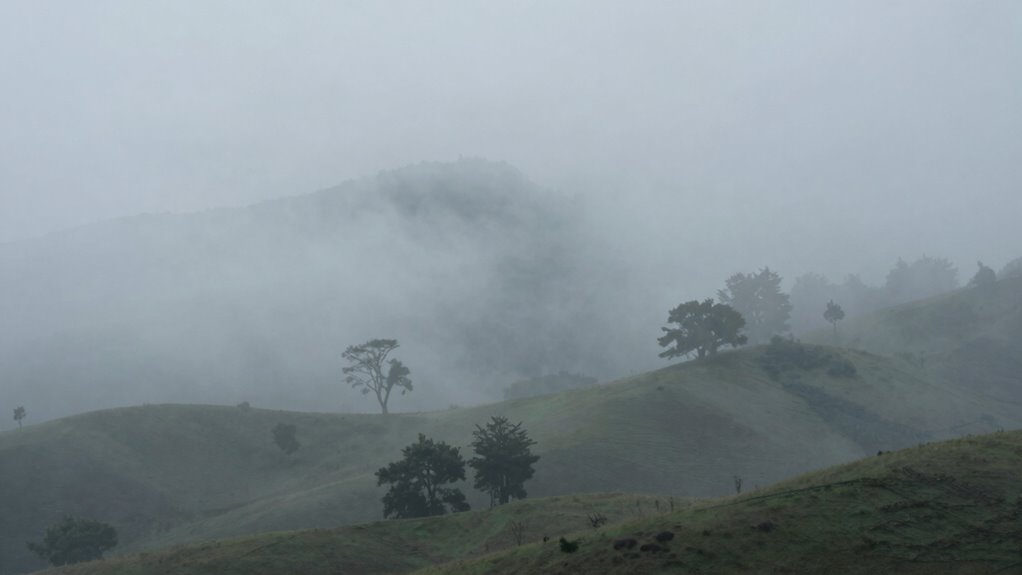

Low fog effects often fail when you underestimate the importance of proper density, atmospheric perspective, and lighting. If the fog isn’t layered with varying transparency and density, it can look flat or unnatural. Make sure to subtly reduce contrast and saturation of distant objects to mimic real atmospheric conditions. Correct lighting helps blend fog seamlessly into your scene. Keep experimenting with these elements, and you’ll discover strategies to create more convincing, immersive fog effects.

Get decor and gifts delivered free with Prime
- Fast, free delivery on millions of items
- Prime Video, Amazon Music and more included
- Member-only deals all year
Key Takeaways
- Insufficient fog density or improper gradient causes a flat, unnatural appearance, making low fog effects fail to create depth.
- Overly harsh or inconsistent lighting disrupts fog blending, reducing realism and causing unnatural separation.
- Ignoring atmospheric perspective leads to distant objects remaining sharp and saturated, breaking immersion.
- Poor rendering settings or artifacts can cause fog clipping or visible seams, undermining seamless integration.
- Lack of environmental cues like wind or moisture results in static, unrealistic fog behavior that diminishes immersion.
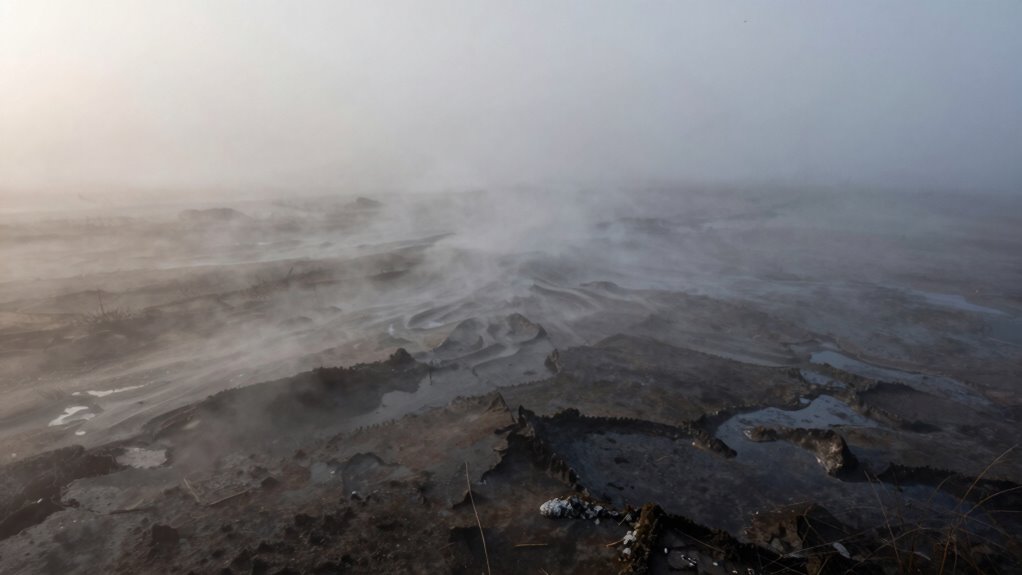
If your fog isn’t creating the desired sense of depth, start by adjusting the fog density. Use a gradient to gradually increase fog thickness as it approaches the ground or distant objects. This technique mimics how real fog behaves, where closer objects are clearer and more defined, while distant ones fade into the haze. A common mistake is making the fog uniformly thick throughout the scene, which flattens the visual hierarchy. To fix this, experiment with varying the density based on the camera’s perspective or scene composition. Incorporate atmospheric perspective by subtly reducing contrast and color saturation of objects as they recede into the fog. This trick makes the scene feel more natural and three-dimensional. Additionally, controlling fog rendering settings** ensures the effect blends seamlessly with your scene and prevents unwanted artifacts. Lighting also plays a vital role. Properly illuminated fog can emphasize its density and depth, especially if you use soft, diffused light sources. Avoid harsh lighting, which can cut through the fog unnaturally or create unwanted artifacts. Instead, aim for light that interacts with the fog naturally, scattering and creating gradual transitions. If your fog looks inconsistent or doesn’t blend well with the environment, check your rendering settings and ensure your fog isn’t clipping or rendering in layers that don’t match the scene’s lighting conditions. Understanding atmospheric effects can further enhance the realism of your fog by adding subtle environmental details. Incorporating environmental cues** like wind or moisture can also contribute to a more immersive scene. Paying attention to visual hierarchy helps guide viewers’ focus and enhances the overall depth effect. Recognizing how **light scattering influences fog can help you achieve more convincing results. Ultimately, successful low fog effects hinge on controlling fog density and applying atmospheric perspective strategically. Adjust these parameters carefully, test different levels of transparency, and observe how they interact with your scene’s lighting and composition. When you get the balance right, your fog will add that mysterious, layered depth** you’re seeking—drawing viewers into your scene, not pushing them away.
Frequently Asked Questions
How Do I Prevent My Fog From Dissipating Too Quickly?
To prevent your fog from dissipating too quickly, regularly maintain your fog machine to guarantee ideal output. Use high-quality fog fluid and clean the machine after each use. Minimize ambient airflow by closing vents or shielding the area to trap the fog. Controlling airflow and maintaining your fog machine helps keep the low fog effect longer, creating a more immersive atmosphere for your event or display.
What Is the Ideal Humidity Level for Low Fog Effects?
You should aim for a humidity level around 70-80% for ideal fog longevity. Proper humidity control keeps the fog dense and prevents it from dissipating quickly. Too low humidity causes rapid evaporation, while too high can lead to excessive moisture and other issues. Monitor your environment carefully, using humidifiers or dehumidifiers as needed, to maintain consistent humidity levels and guarantee your low fog effects stay dramatic and long-lasting.
Can Low Fog Effects Damage My Equipment?
Yes, low fog effects can damage your equipment if you don’t perform proper fog machine maintenance and guarantee equipment compatibility. Using incompatible fog fluids or neglecting cleaning can cause clogs, overheating, or corrosion. Always follow manufacturer guidelines, regularly clean your machine, and check fluid compatibility. Doing so helps prevent damage, extends your equipment’s lifespan, and ensures safe, effective low fog effects that wow your audience without risking costly repairs.
How Do Temperature Differences Affect Fog Density?
Temperature differences directly impact fog density because they influence how the fog particles form and stay suspended. When you preserve proper temperature regulation, you prevent rapid shifts that can cause uneven fog density. Cooler air holds less moisture, making fog denser, while warmer air disperses it. By controlling temperature, you guarantee consistent fog density, avoiding patchy or overly thin effects that compromise your scene’s realism or visual impact.
What Safety Precautions Should I Take With Fog Machines?
Imagine you’re setting up a fog machine for a spooky event. To stay safe, always wear safety gear like gloves and goggles, especially when handling the fog fluid. Make certain proper ventilation strategies are in place to prevent buildup of fog, which could cause respiratory issues. Regularly check the machine for leaks or malfunctions, and keep it away from open flames. These precautions help keep everyone safe while creating atmospheric effects.
Conclusion
So, next time your low fog feels more illusion than magic, remember it’s a matter of finesse, not failure. Tweak your settings, embrace the dance of light and shadow, and let your scene breathe like a whispering forest at dawn. With patience and a keen eye, you’ll turn fleeting vapor into a mesmerizing veil, cloaking your world in mystery. Master the art, and watch your fog weave stories as enchanting as a dream slipping into dawn’s first light.
Halloween Picks
halloween
As an affiliate, we earn on qualifying purchases.