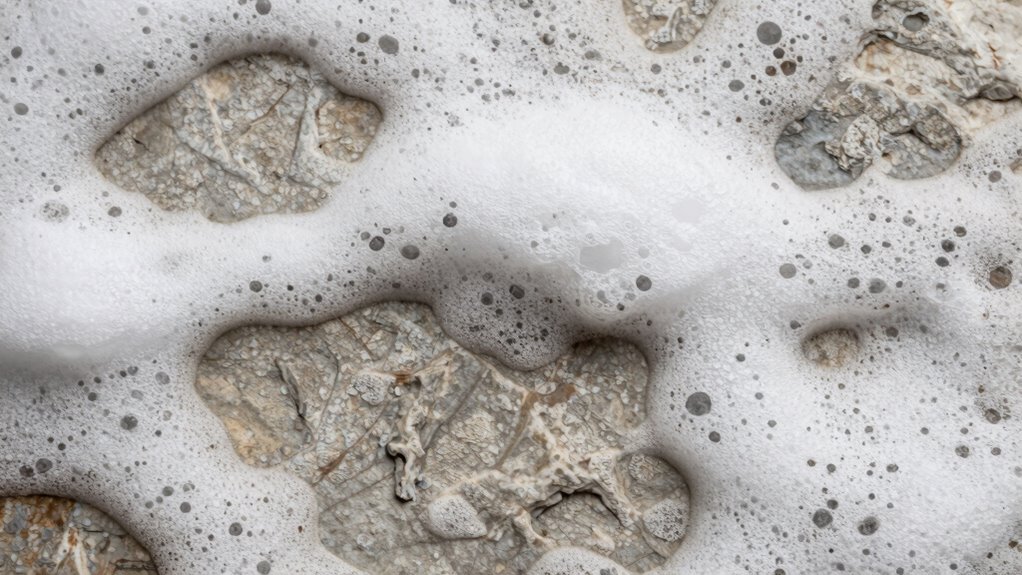

To make foam look like aged stone easily, start by applying a dark wash using black or brown acrylic paint to add dirt and grime in crevices. Lightly blend it with a sponge for natural shadows. Next, add a color wash with diluted tan, gray, or green hues to mimic patina and weathering. Finish with subtle dry brushing or tiny cracks for realism. If you keep exploring, you’ll find even more simple tips to achieve authentic aged stone effects.
Key Takeaways
- Apply a dark wash with acrylic paint to create dirt, grime, and shadow effects on foam surfaces.
- Use a sponge or rag to blend the wash into crevices for natural aged stone texture.
- Add subtle color washes in tan, gray, or green to simulate patina and weathering.
- Incorporate tiny cracks or chips with a fine brush to enhance erosion details.
- Keep weathering subtle and blend edges for realistic, authentic aged stone appearance.

Aging foam can seem complicated, but with this easy technique, you can achieve authentic results without much effort. The secret lies in creating convincing weathering effects and using color washing to mimic the natural wear and tear of aged stone. You don’t need to be an expert artist or spend hours—just a few simple steps can transform your foam project into a realistic, timeworn masterpiece. Incorporating Free Floating elements into your design can further enhance the natural appearance of aged stone surfaces. Start by shaping your foam into the desired form, whether it’s bricks, tiles, or a textured surface. Once your piece is ready, the key to authentic aging is adding weathering effects. These effects simulate dirt, grime, and erosion that naturally accumulate over time. To do this, lightly brush on a dark wash, such as a thinned mixture of black or dark brown acrylic paint. Use a sponge or a rag to dab and blend the paint into the crevices and uneven surfaces. This creates shadows and depth, giving your foam the appearance of aged stone that’s been exposed to the elements. Be sure not to overdo it—less is more when it comes to weathering, as subtlety enhances realism.
Next, apply a color washing to further age your foam. Color washing involves diluting a lighter or contrasting color of paint and gently applying it over your weathered surface. This technique helps to unify the tones and adds a layer of richness that mimics natural patina. Use a soft brush to lightly brush a diluted tan, gray, or mossy green over the surface. Wipe away excess with a rag or paper towel, leaving behind a soft, uneven tint that resembles aged stone. This step not only enhances the weathered look but also introduces variation in color, making the foam seem more authentic and less uniform.
To really sell the aged effect, focus on blending your weathering and color washing. Use a dry brush or sponge to gently feather the edges, creating a seamless transition between the aged and fresh areas. Remember, the goal isn’t to cover every inch but to suggest the natural accumulation of dirt and weathering that occurs over years. You can also add small details like tiny cracks or chips with a fine brush to mimic erosion and damage, further elevating the realism.
With these simple techniques, you’ll find that aging foam becomes straightforward and satisfying. The weathering effects and color washing work together to give your project a convincing, timeworn appearance. The best part? You don’t need complex tools or techniques—just patience and a little bit of paint, and you’ll be amazed at how authentic your foam can look.

Haunted Hill Farm Soul Sucker Demon Reaper with Child by Tekky, Motion-Activated Talking Halloween Animatronic for Creepy Indoor or Covered Outdoor Halloween Decorations, Plug-in or Battery Operated
Premium Life-size Animatronic: Soul Sucker is perfect for indoors or a covered outdoor area so place our evil...
As an affiliate, we earn on qualifying purchases.
Frequently Asked Questions
Can I Use This Technique on Different Foam Types?
Yes, you can use this technique on different foam types, but check foam compatibility first. Soft, dense, or spray foam may react differently, so test a small piece before full application. For best results, follow application tips like cleaning the surface thoroughly and applying thin, even coats. This ensures the aged stone look adheres well and lasts, regardless of the foam type you’re working with.
How Long Does the Aging Effect Last?
The aging effect lasts several years if you seal the foam properly, but durability depends on foam type compatibility and environmental conditions. UV exposure, moisture, and handling can shorten the aging look’s lifespan. To maximize durability, use a weather-resistant sealant suitable for your foam type, and regularly maintain the surface. Proper sealing and maintenance guarantee your aged stone appearance stays vibrant longer.
Is Special Equipment Needed for This Process?
You don’t need special equipment for this process; basic supplies suffice. To guarantee paint compatibility, you should properly prepare the foam surface by cleaning and priming it. This step guarantees the paint adheres well and achieves a realistic aged stone look. While some might think advanced tools are necessary, proper surface preparation and quality paint are all you need to get professional results.
Can I Customize the Color to Match Specific Stones?
Yes, you can customize the color to match specific stones through paint customization. By mixing different paints and colors, you can achieve the perfect shade for your project. Color matching is essential for a realistic aged stone look, so take your time to test and adjust your paints until they match your desired stone. This way, you guarantee your foam sculpture blends seamlessly with the surrounding environment.
What Safety Precautions Should I Take During Aging?
During aging, you should wear protective gear like gloves and a mask to avoid inhaling fumes or contact with chemicals. Guarantee good ventilation safety by working in a well-ventilated area or outdoors. Keep your workspace clear of clutter, and follow all manufacturer instructions on aging products. These precautions help prevent health risks and ensure a safe, successful project, giving you peace of mind while creating your aged stone look.
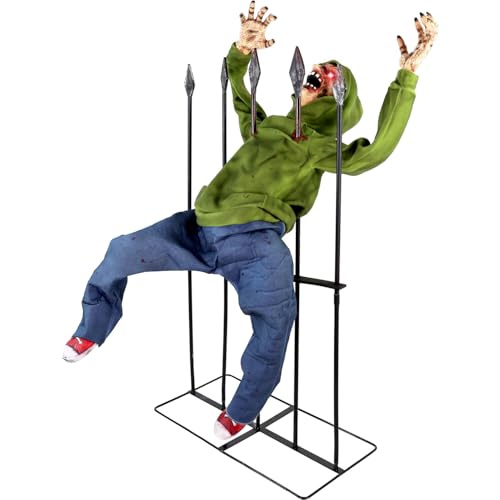
Haunted Hill Farm 4.4-Ft Animatronic Impaled Zombie, Halloween Animatronic, Creepy Party Decoration, Spooky Décor, Macabre Gift for Horror Movie Lovers, Voice-Activated Lights & Sound, Life-Size
Premium Life-Size Animatronic: Frighten guests and trick-or-treaters with this premium quality spine-chilling Halloween decoration
As an affiliate, we earn on qualifying purchases.
Conclusion
Now that you know this simple foam aging trick, you can confidently transform your projects into realistic, aged stone look-alikes. Trust the process and don’t be afraid to experiment with different shades and textures to find what works best for you. Many artists believe that patience and attention to detail make all the difference, so take your time and enjoy the creative journey. With a little practice, you’ll achieve stunning results that truly impress.

Spirit Halloween 4 Ft 6 In Scary Sitting Scarecrow Animatronic, Multicolor
Bring any Halloween display to life by adding this Scary Sitting Scarecrow Animatronic to your home decor. This...
As an affiliate, we earn on qualifying purchases.

Haunted Hill Farm Life-Size Scary Poseable Talking Witch, Halloween Animatronic with Touch Activated Lights and Sound, Battery Operated Indoor or Covered Outdoor Halloween Decorations, Halloween Prop
Life-size Prop: This poseable witch is perfect for indoors or a covered outdoor area so you can display...
As an affiliate, we earn on qualifying purchases.