

To avoid a plastic sheen in your textures, focus on proper color calibration to match real-world hues and subtle variations. Add surface imperfections like scratches, pores, and dents using texture maps or brushes, and guarantee these details blend naturally. Use lighting techniques that mimic real conditions to highlight surface irregularities and avoid overly glossy finishes. Combining these steps creates authentic, lifelike textures. If you keep exploring, you’ll discover even more tips for achieving realistic results.

Get decor and gifts delivered free with Prime
- Fast, free delivery on millions of items
- Prime Video, Amazon Music and more included
- Member-only deals all year
Key Takeaways
- Calibrate colors accurately to match real-world hues and prevent synthetic appearances.
- Incorporate surface imperfections like scratches and pores to add authenticity.
- Use realistic lighting setups to highlight surface irregularities and avoid plastic shine.
- Apply normal and bump maps to create fine surface details without overpainting.
- Blend surface details naturally with color and lighting for a convincing, lifelike finish.
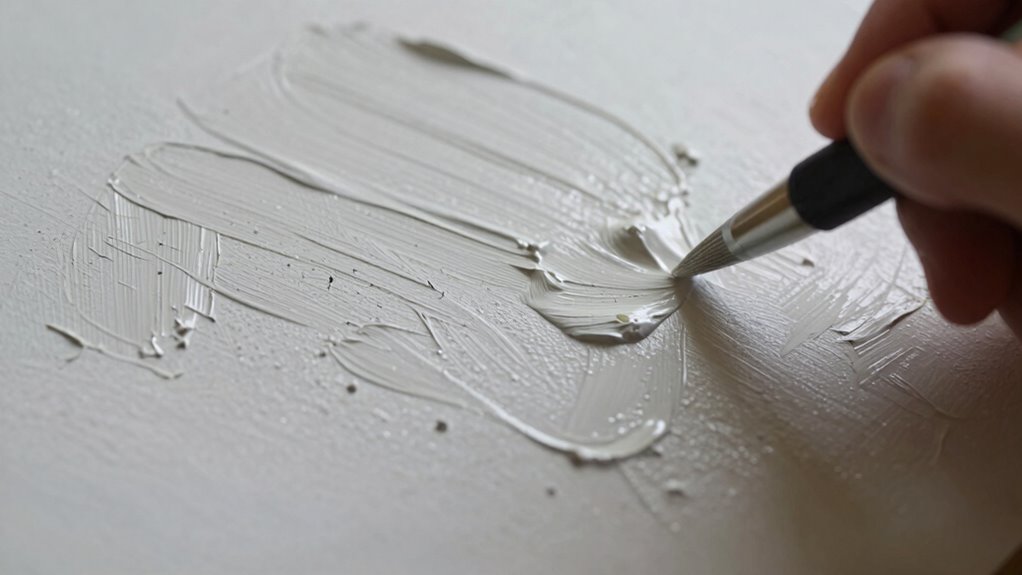
Creating realistic textures is essential for bringing digital models to life, and mastering this skill can considerably enhance the believability of your artwork. When you’re working on texture painting, paying attention to surface detail is critical. The goal is to avoid that flat, plastic look that many beginners fall into, which often results from oversimplified shading or inaccurate surface cues. One of the first steps in achieving realism is ensuring proper color calibration. If your colors are off, your textures might look unnatural or synthetic, so always check your display settings and color profiles before diving deep into painting. Accurate color calibration helps you match real-world hues and subtle variations, giving your textures a more authentic appearance.
Achieving realism starts with proper color calibration to ensure authentic, natural textures.
Surface detail plays a key role in preventing that plastic sheen. It’s about adding tiny imperfections, scratches, pores, and irregularities that mimic real-world materials. These details catch light differently across the surface, creating variation that’s essential for realism. Instead of uniform coloring, you want to incorporate subtle shifts in tone and texture. Use brushes or texture maps that simulate surface irregularities, and don’t be afraid to blend them naturally. Remember, real surfaces aren’t perfectly smooth; they have bumps, dents, and rough patches. Incorporating surface irregularities enhances the overall realism by mimicking how real-world materials behave. Paying attention to how these irregularities interact with lighting can further elevate the authenticity of your textures, making them more convincing to the viewer.
Lighting also plays an important role in surface detail. Proper lighting setup in your scene will accentuate the textures you’ve painted, emphasizing the surface irregularities. When you’re painting, think about how light interacts with the material—highlighting peaks and shadowing recesses. This dynamic interplay can greatly reduce that plastic appearance. Additionally, use reference images to observe how real-world surfaces behave under various lighting conditions. This will guide you in painting surface details that are both accurate and visually compelling. Incorporating lighting techniques that mimic real-world conditions can significantly improve the realism of your textures.
Finally, consider using tools like normal or bump maps to enhance surface detail without overloading your paint layers. These maps simulate fine surface irregularities and can be layered underneath your base color, providing a more detailed and nuanced look. Remember, realism isn’t just about adding surface detail but about balancing it with color calibration and lighting. When these elements work together, your textures will look convincingly real, avoiding that plastic sheen and bringing your digital models to life with authenticity. Incorporating surface texture techniques can make a significant difference in achieving a truly realistic finish.
Popular right now

Breville Bambino Espresso Machine, Brushed Stainless Steel

eufy E25 Robot Vacuum and Mop Combo with HydroJet Roller Mop

Vitamix Propel Series 750 Professional-Grade Blender, 4 Programs, Black
As an affiliate, we earn on qualifying purchases.
Frequently Asked Questions
What Are the Best Brushes for Realistic Texture Painting?
You should choose brushes with varied textures and dynamic settings for realistic painting. Look for brushes that excel in texture blending, giving your strokes depth and authenticity. Opt for ones with adjustable brush dynamics, allowing you to control opacity, flow, and jitter. This combination helps mimic real-world surfaces, prevents a plastic-like finish, and adds natural variation. Experimenting with different textures and dynamic settings enhances realism in your texture painting.
How Do I Choose the Right Color Palette?
To choose the right color palette, focus on color harmony and mood setting. Pick colors that complement each other to create a balanced look, avoiding overly saturated or clashing hues. Consider the mood you want to convey—warm tones evoke coziness, while cool tones suggest calmness. Use tools like color wheels or palettes to experiment and verify your colors work together naturally, enhancing realism and emotional impact in your textures.
Can I Achieve Realistic Textures With Beginner Skills?
About 60% of beginners find achieving realistic textures challenging, but you can succeed with the right approach. You can definitely create realistic textures using beginner techniques, especially if you focus on layering and subtle variations. Practice blending colors and studying real-world surfaces to improve texture realism. Don’t worry about perfection at first—consistency and patience will help you develop your skills and make your textures look authentic.
How Much Detail Is Too Much in Texture Painting?
You should aim for a balance in texture painting—adding enough detail without overdoing it. Too much texture variation or surface imperfections can make your model look cluttered or unrealistic. Focus on subtle imperfections, like slight scratches or uneven surfaces, to enhance realism. Keep the details consistent with your object’s material and scale, and step back regularly to see if the added textures look natural rather than overwhelming.
What Software Tools Are Recommended for Realistic Textures?
You should try software like Substance Painter or Quixel Mixer for realistic textures, as they excel at capturing material realism. These tools let you add subtle artistic imperfections, avoiding a plastic look. Use layering and roughness maps to simulate natural wear and tear, which enhances authenticity. Focus on small details and varied surface textures to make your textures feel more lifelike and convincing.
Conclusion
Think of realistic texture painting like tending a garden. With patience, attention, and the right techniques, your work blooms into something natural and vibrant, avoiding the plastic look. Just as a gardener nurtures each plant, you nurture your textures, blending and refining until they feel alive. When you embrace this process, your creations become a lush landscape—authentic, inviting, and full of life. Keep cultivating your skills, and your art will flourish with genuine realism.