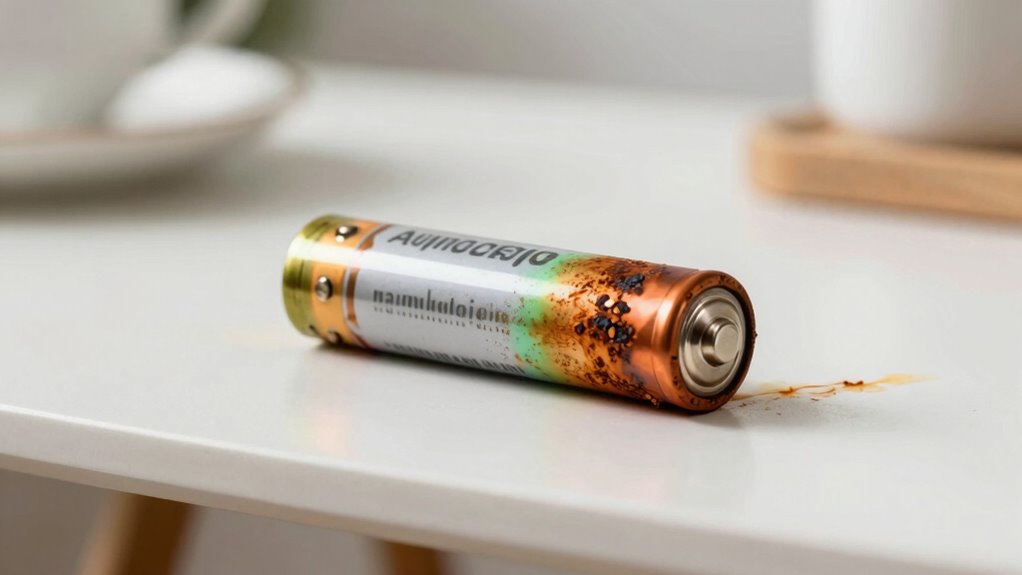

To prevent battery corrosion from ruining your decor, regularly check and remove batteries from unused items. Clean any corrosion immediately with vinegar or lemon juice and dry thoroughly. Apply a thin layer of petroleum jelly or dielectric grease on contacts to protect them. Store batteries in a cool, dry environment and use high-quality batteries to reduce leaks. Taking these simple steps now can save you from costly repairs later—discover more ways to keep your decor pristine.

Get decor and gifts delivered free with Prime
- Fast, free delivery on millions of items
- Prime Video, Amazon Music and more included
- Member-only deals all year
Key Takeaways
- Regularly inspect and clean battery compartments to remove corrosion early using vinegar or lemon juice.
- Apply dielectric grease or petroleum jelly on contacts to prevent moisture buildup and corrosion.
- Remove batteries from unused items and store them in a dry, cool environment to reduce leak risk.
- Use high-quality, fresh batteries and ensure proper polarity during replacement to minimize corrosion.
- Protect decorative items by storing batteries properly and maintaining environmental conditions with low humidity.
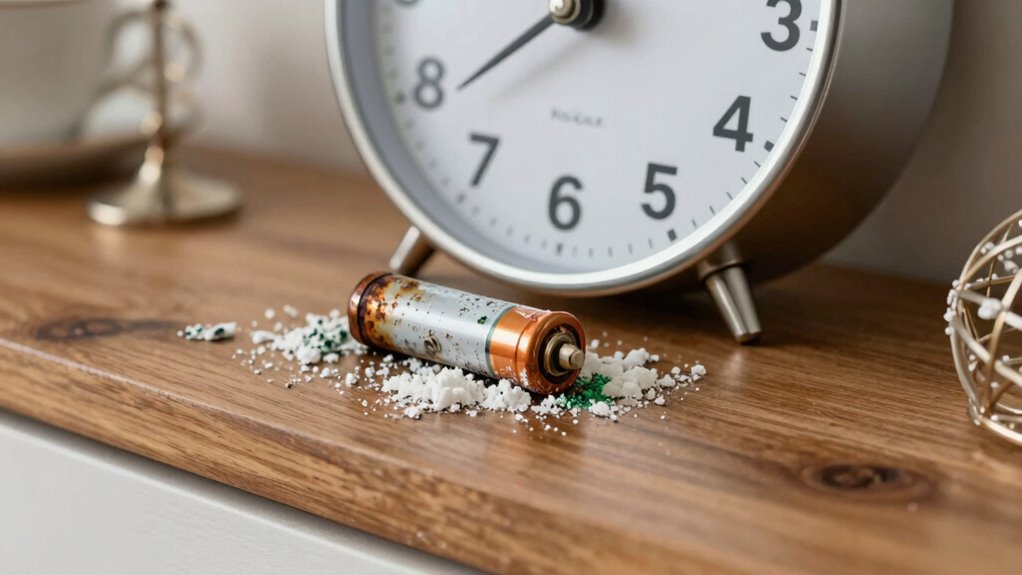
Battery corrosion can quickly turn your decorative items into unsightly eyesores, especially when it occurs on visible surfaces like clocks, lanterns, or vintage electronics. When you notice a white, crusty buildup around the battery compartment, it’s a clear sign that corrosion has begun, and it’s threatening the appearance of your cherished decor. Ignoring this issue can lead to more serious damage, making your items look neglected and even causing functional problems. To protect your decor, you need to prioritize proper battery maintenance and adopt corrosion prevention techniques.
Battery corrosion damages decor’s appearance and function; regular maintenance and prevention protect your cherished items.
First, regularly check your batteries and their compartments. Remove batteries from items you don’t use often, as long periods of inactivity can lead to leaks. When you replace batteries, do so carefully, ensuring you insert them with the correct polarity. Using fresh, high-quality batteries can also minimize the risk of leakage, as cheaper or old batteries are more prone to corrosion. Keep the battery contacts clean; a quick wipe with a dry cloth or a small amount of vinegar can remove any residue. This simple step ensures good electrical contact and reduces the chance of buildup, helping your decor stay pristine longer. Battery maintenance is essential for preventing leaks before they happen. Additionally, storing batteries in a proper environment can significantly reduce the risk of corrosion and damage.
Corrosion prevention isn’t just about cleaning up leaks — it’s about stopping them before they start. You can apply a thin layer of petroleum jelly or dielectric grease on the battery contacts before inserting new batteries. This creates a barrier against moisture and helps prevent corrosion. Additionally, consider using battery terminal covers or holders with protective features. These small accessories act as shields, safeguarding your decorative items from the elements that cause corrosion. If you notice any signs of corrosion, clean the affected area immediately with a toothbrush dipped in vinegar or lemon juice, then dry thoroughly. This quick intervention prevents the corrosion from spreading and damaging your decor further. Preventive measures can significantly extend the lifespan of your decorative items and keep them looking their best. Regularly inspecting and maintaining your batteries and understanding battery corrosion causes can help you stay ahead of potential issues.
Proper storage in a dry, cool environment is also essential, as humidity and temperature fluctuations accelerate battery corrosion. Storing batteries properly and monitoring environmental conditions can greatly reduce the risk of leaks and damage. Regularly inspecting and maintaining your batteries, combined with smart storage habits, is key to corrosion prevention. By staying vigilant and implementing these simple practices, you protect both your valuables and their aesthetic appeal. Your decor will remain attractive and functional, free from the unsightly damage caused by neglected battery maintenance. Taking these proactive steps ensures that your decorative pieces stay beautiful and intact for years to come, without the mess and expense of cleaning up corrosion damage.
battery corrosion cleaner for decor
As an affiliate, we earn on qualifying purchases.
As an affiliate, we earn on qualifying purchases.
Frequently Asked Questions
How Can I Prevent Battery Corrosion in the First Place?
To prevent battery corrosion, you should focus on proper battery maintenance and corrosion prevention techniques. Regularly check your batteries for leaks or buildup, and clean terminals with a mixture of baking soda and water. Make certain the battery is securely seated, and apply a thin layer of petroleum jelly or terminal protectant to reduce moisture contact. These steps help keep corrosion at bay, prolonging battery life and protecting your décor from damage.
Are There Eco-Friendly Ways to Clean Corrosion?
Imagine a gentle stream washing away stubborn grime—that’s what eco-friendly cleaning with natural remedies feels like. You can use vinegar, lemon juice, or baking soda, which naturally break down corrosion without harsh chemicals. These solutions are safe for you and the environment, effectively cleaning battery corrosion while preserving your decor’s beauty. So, grab these natural remedies and restore your space with a clean conscience and a sparkling finish.
Which Types of Batteries Are Less Likely to Corrode?
Alkaline batteries tend to have better corrosion resistance compared to zinc-carbon or older battery types. Lithium batteries also resist corrosion well due to their stable chemistry, making them ideal for long-term use. You should opt for these battery types if you’re concerned about corrosion, especially in devices stored for extended periods. Choosing corrosion-resistant batteries helps protect your decor and guarantees your devices stay functional longer.
Can Corrosion Damage Electronics Permanently?
Yes, corrosion can damage electronics permanently. When chemical reactions occur between the battery’s materials and moisture, they cause metal deterioration, which can harm delicate electronic components. If corrosion is left unchecked, it can lead to broken circuits, short circuits, or even complete device failure. To prevent this, regularly inspect batteries and clean corrosion early, protecting your electronics from lasting damage caused by ongoing chemical reactions and metal deterioration.
How Often Should I Check for Battery Corrosion?
Have you ever wondered how often you should check for battery corrosion? Regular inspections are essential—at least once every three to six months—especially if your devices use batteries with shorter lifespans. Look for corrosion indicators like white or bluish-green residue. Catching corrosion early keeps your electronics safe and preserves their lifespan. Don’t wait until damage is visible; proactive checks save you money and prevent decor damage.
Conclusion
Don’t let battery corrosion ruin your decor any longer. Regularly check and clean your batteries to prevent those unsightly and damaging leaks. Use protective measures like battery covers or switch to rechargeable options to keep your space looking pristine. After all, isn’t your home worth the extra effort? By taking these simple steps, you can enjoy a beautiful, corrosion-free environment without the worry of unexpected damage. Why not start today and protect your decor for years to come?
Halloween Picks
halloween
As an affiliate, we earn on qualifying purchases.