![Bukit Bintang Hicks Flat: DBKL Orders Cleanup After Viral Video Exposes Dirty Conditions [WATCH] - NST Online](https://halloweenproductreviews.com/wp-content/uploads/2026/08/bukit-bintang-hicks-flat-dbkl-orders-cleanup-after-viral-video-exposes-dirty-con-featured-200x110.jpg "Bukit Bintang Hicks Flat: DBKL Orders Cleanup After Viral Video Exposes Dirty Conditions [WATCH] - NST Online 2")
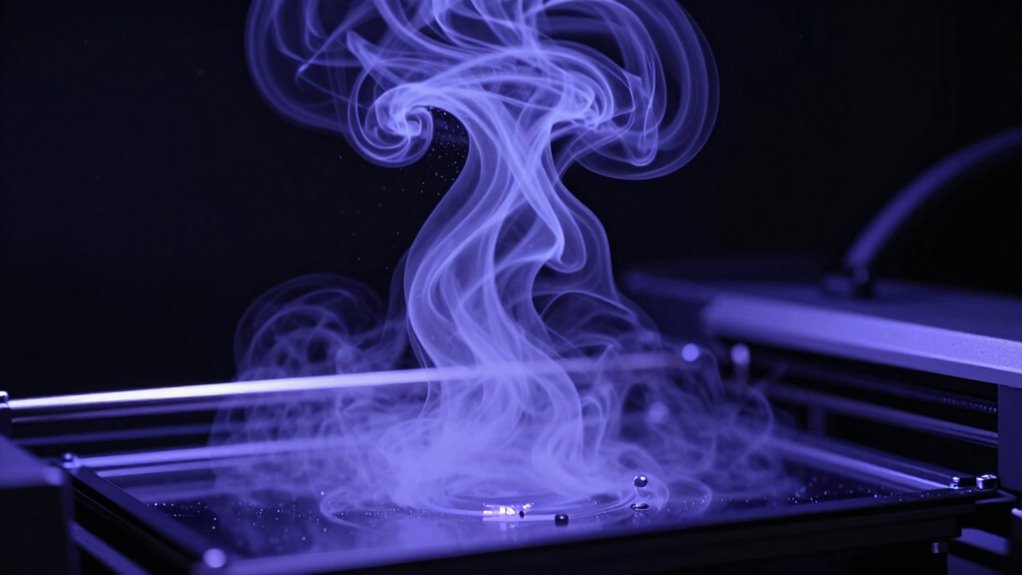
You might think resin fumes are harmless or tolerable, but that’s a dangerous myth. These fumes emit VOCs and harmful chemicals that can irritate your respiratory system, eyes, and skin, even with short exposure. Long-term exposure raises your risk of serious health issues. Proper ventilation and air purification are essential; simply opening a window isn’t enough. If you want to protect yourself, keep going to learn more about the hazards and safety measures.

Get decor and gifts delivered free with Prime
- Fast, free delivery on millions of items
- Prime Video, Amazon Music and more included
- Member-only deals all year
Key Takeaways
- Fumes from resin printers contain harmful VOCs that can cause immediate and long-term health issues.
- Relying on open windows or fans alone is insufficient to eliminate toxic vapors.
- Proper air filtration and ventilation are essential to reduce inhalation risks.
- Ignoring resin fumes perpetuates misconceptions and endangers long-term health.
- Protective gear and safety measures are necessary, regardless of print size or duration.
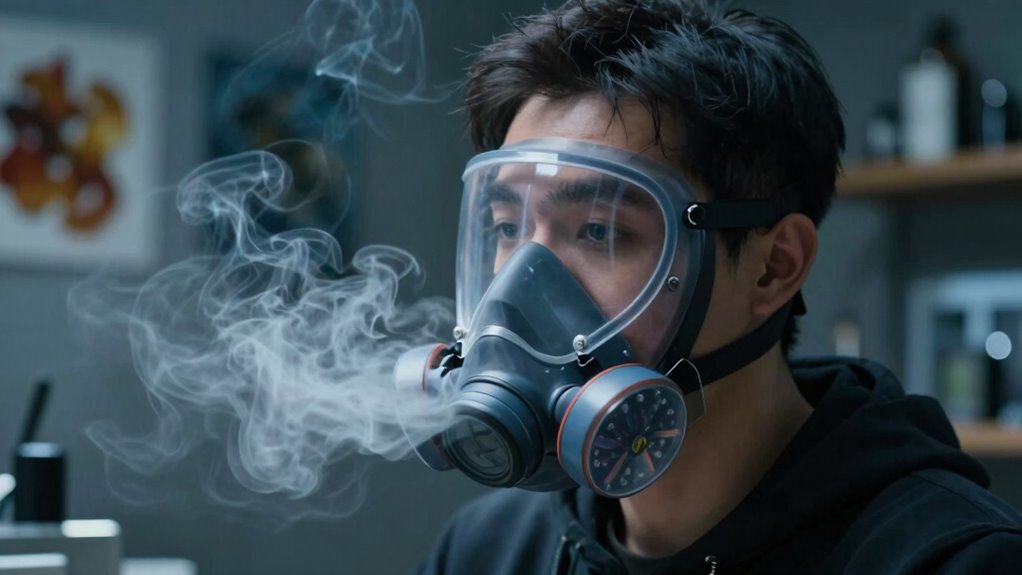
Have you ever wondered about the fumes produced by resin 3D printers? If you’re new to resin printing, it’s easy to dismiss the smell or fumes as minor inconveniences. But the truth is, those vapors can pose serious health risks if you ignore them. Resin printers emit volatile organic compounds (VOCs) and other potentially harmful chemicals that can irritate your respiratory system, eyes, or skin. That’s why air purification is vital when you’re working with resin. A good air filtration system can markedly reduce airborne toxins, making your workspace safer. Don’t just rely on open windows or fans; investing in a proper air purifier designed for chemical fumes is one of the most effective safety precautions you can take. It’s not only about protecting your lungs but also about preventing long-term health issues.
Many people tend to underestimate the danger, thinking, “It’s fine; I’m just printing small models.” That’s a dangerous myth to trust. Even short exposure to resin fumes can cause headaches, dizziness, or allergic reactions. Over time, these exposures can accumulate, increasing the risk of more serious health problems. Safety precautions should be a priority, especially if you’re printing regularly or in a confined space. Always wear protective gear such as gloves, masks, and goggles, and guarantee your workspace is well-ventilated. Keep your resin printer in a separate room or enclosed area, away from living spaces, to minimize your exposure. Never skip these precautions, even if the fumes seem mild or tolerable at first. Recognizing the importance of air quality and proper safety measures is crucial for long-term health. Additionally, understanding the chemical emissions from resin printers can help you make informed decisions about your workspace setup. Regular maintenance of your equipment and awareness of VOC exposure risks are essential for a safe printing environment. Proper awareness of airborne toxins can further help in designing a comprehensive safety protocol.
You might think that simply turning off the printer once the job is done is enough, but residual vapors can linger long after printing stops. That’s why proper ventilation and air purification are ongoing needs, not just temporary measures. Using air quality monitors can help you track and ensure safe levels of airborne toxins in your workspace. Regularly replacing filters and maintaining your air purifiers ensures they continue to operate effectively. Remember, safety isn’t just about avoiding immediate discomfort—it’s about protecting your long-term health. Ignoring the fumes or dismissing them as harmless is a mistake many make, but it’s one you should avoid. Respect the potential dangers, take appropriate safety precautions, and prioritize air purification. Your lungs and overall health will thank you in the long run. Proper precautions aren’t just an inconvenience—they’re essential for anyone serious about resin printing.
As an affiliate, we earn on qualifying purchases.
Frequently Asked Questions
Are Resin Printer Fumes Harmful to Pets?
Resin printer fumes can be harmful to pets, so you should prioritize pet safety. These fumes contain volatile organic compounds (VOCs) that may cause respiratory issues or skin irritation. To protect your pets, always use proper fume filtration systems and make sure good ventilation in your workspace. Keeping pets away during printing sessions and cleaning up thoroughly afterward also helps minimize their exposure to dangerous fumes.
How Long Do Resin Fumes Linger After Printing?
Oh, the sweet, lingering scent of victory—er, fumes! Fume dispersion from resin printers can last anywhere from a few hours to a couple of days, depending on ventilation and room size. To beat the odor, you’ll want to prioritize odor mitigation strategies like air purifiers and proper ventilation. Don’t assume the fumes just vanish; they hang around, waiting to surprise you at the worst moment.
Can Resin Fumes Cause Long-Term Health Issues?
Yes, resin fumes can cause long-term health issues if you’re exposed frequently or without proper ventilation. Health risks from fume exposure include respiratory problems, skin irritation, and potential toxicity. To protect yourself, always use a well-ventilated area, wear protective gear, and limit your exposure time. Ignoring these precautions increases the chance of developing serious health issues over time from prolonged resin fume inhalation.
What Are the Best Ventilation Options for Resin Printers?
You should invest in effective ventilation systems and air purification solutions for your resin printer workspace. Use exhaust fans or dedicated air filtration units to remove fumes directly from the source. Combining these with air purifiers equipped with activated carbon filters helps trap harmful chemicals, ensuring clean, safe air. Proper ventilation not only improves air quality but also protects your health from potential long-term effects caused by resin fumes.
Do All Resin Types Produce the Same Fumes?
Not all resin types produce the same fumes; think of it like a spice rack—some are mild, others pack a punch. Different resins emit varying levels of resin odor and chemicals, which can lead to increased chemical exposure if you’re not careful. Always check the material safety data sheets, and use proper ventilation. Don’t assume all resins are equally safe—your lungs will thank you for being cautious.
Conclusion
Remember, overlooking resin printer fumes is like ignoring a silent alarm—warning you of unseen dangers. The fumes may seem harmless, but they carry the weight of potential harm, much like a shadow lurking behind bright light. Protect yourself and your environment; the true clarity comes when you acknowledge the risks and take action. Don’t let complacency be the mask that blinds you—see beyond the surface, and prioritize safety before it’s too late.
Halloween Picks
halloween
As an affiliate, we earn on qualifying purchases.