
When cleaning fog residue, focus on non-porous surfaces like glass, metal, and sealed plastics using a soft cloth dampened with a gentle, biodegradable cleaner. Avoid wiping porous or delicate materials such as unsealed wood or fabric, which may absorb pollutants or be damaged. Be cautious around plants and soil, preventing runoff pollution. If you keep exploring, you’ll find out how to safely tackle different surfaces and avoid common hazards.

Get decor and gifts delivered free with Prime
- Fast, free delivery on millions of items
- Prime Video, Amazon Music and more included
- Member-only deals all year
Key Takeaways
- Use a soft, lint-free cloth dampened with a gentle, biodegradable cleaner to wipe fog residue safely.
- Avoid spraying liquids directly on electronic devices or delicate surfaces to prevent damage.
- Do not wipe porous or sensitive materials like unsealed wood, fabric, or painted surfaces without professional guidance.
- Keep electronic devices unplugged and dry during cleaning to prevent short circuits or malfunctions.
- Prevent runoff pollution by avoiding excessive cleaning solutions on soil or plants, especially near sensitive ecosystems.
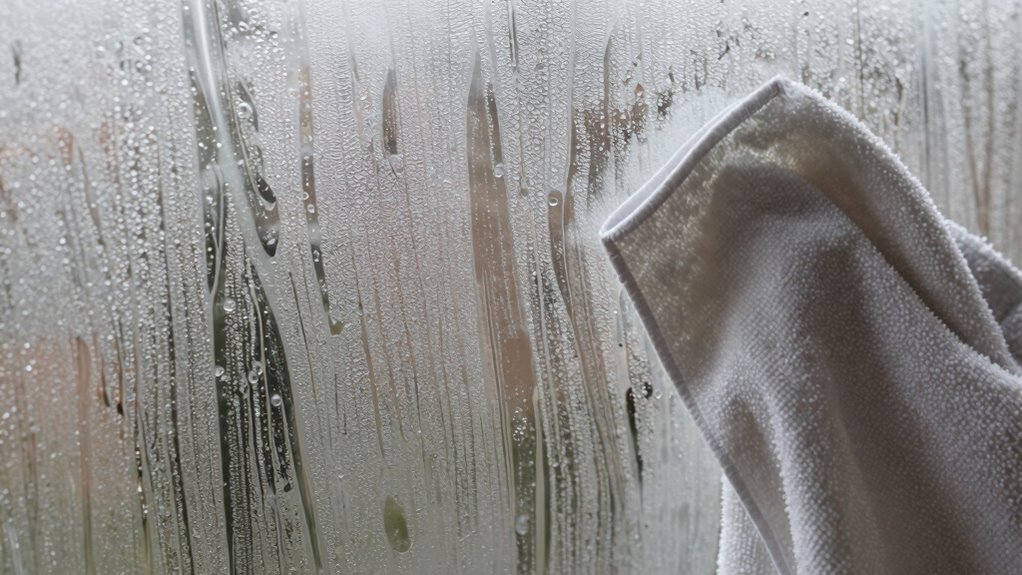
When fog lingers after a weather event, residue can settle on surfaces, making cleanup vital to prevent damage and maintain cleanliness. Fog residue often contains tiny water droplets mixed with pollutants and minerals, which can accumulate on windows, vehicles, outdoor furniture, and even delicate electronic components. If left unaddressed, this residue can cause staining, corrosion, or surface deterioration over time. Understanding what to wipe and what to avoid is essential to effectively clean fog residue while minimizing environmental impact and guaranteeing safety.
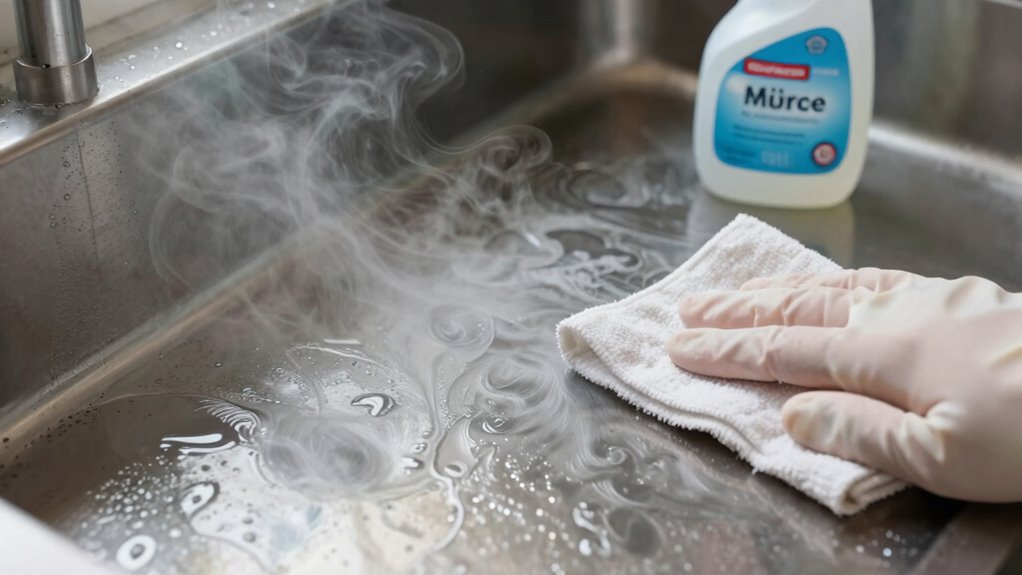
First, focus on cleaning non-porous surfaces like glass, metal, and sealed plastics. Use a gentle, eco-friendly cleaning solution—preferably one that’s biodegradable and free from harsh chemicals—to wipe down windows, mirrors, and outdoor fixtures. When you do this, you’re not only preserving the integrity of these surfaces but also reducing the release of potentially harmful substances into the environment. Avoid excessive use of chemical cleaners, as they can runoff into soil and waterways, harming local ecosystems. Instead, opt for natural solutions like vinegar mixed with water, which cleans effectively and is environmentally safe.
Clean non-porous surfaces with biodegradable, eco-friendly solutions like vinegar to protect surfaces and the environment.
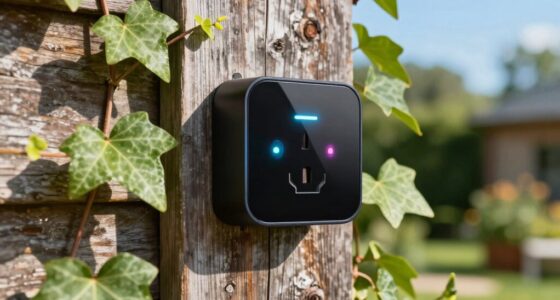
Be cautious around electronic devices and sensitive equipment. Fog residue can introduce moisture that, if not cleaned properly, may cause damage or short circuits. Use a soft, lint-free cloth slightly dampened with a gentle cleaner designed for electronics. Never spray liquids directly on devices or use abrasive cloths, as they can scratch surfaces or push moisture into crevices, risking safety hazards or equipment failure. When handling electrical items, ensure they are unplugged and dry before use, maintaining safety precautions to avoid electrical shocks or damage. Additionally, understanding the importance of environmentally safe cleaning helps reduce potential harm to ecosystems during cleanup.
Avoid wiping porous or delicate materials such as fabric, unsealed wood, or painted surfaces without proper guidance. These materials may absorb moisture and pollutants, leading to staining, warping, or deterioration. For such surfaces, consult professional cleaning services or use specialized cleaning agents that are safe for delicate materials. Additionally, do not attempt to clean fog residue on plants or soil directly with water, as runoff can carry pollutants into nearby water sources, negatively impacting the environment.
As an affiliate, we earn on qualifying purchases.
Frequently Asked Questions
Can Fog Residue Cause Long-Term Health Issues?
Fog residue can potentially cause long-term health issues if inhaled regularly, as it may contain harmful chemicals. Your health implications depend on residue longevity; the longer it stays on surfaces or in the air, the higher the risk of exposure. To protect yourself, clean surfaces promptly and ventilate well. Avoid touching residue directly, especially if you notice any irritation or allergic reactions, to minimize health risks.
Is Professional Cleaning Necessary for Fog Residue Removal?
Is professional cleaning necessary for fog residue removal? Absolutely. You should consider it because fog residue can contain hazardous chemicals, and improper cleanup might risk chemical safety. Professionals use protective gear and specialized equipment to guarantee thorough removal without exposing you to harmful residues. DIY methods might not reach all contaminated areas, so investing in expert cleaning guarantees safety and effective results, especially when dealing with potentially toxic fog residue.
What Types of Cleaning Agents Are Safest for Fog Residue?
For safe fog residue removal, you should use mild, non-abrasive cleaning agents that prioritize chemical safety. Look for products labeled as gentle or designed for sensitive surfaces, like diluted dish soap or specialized residue removers. Avoid harsh chemicals like bleach or ammonia, which can damage surfaces or pose health risks. Always read labels carefully, and guarantee proper ventilation to protect yourself during residue removal. Prioritizing gentle, safe cleaners ensures effective and safe fog residue cleanup.
How Often Should Fog Residue Cleanup Be Performed?
Think of your space like a garden needing regular tending. You should perform fog residue cleanup at least once a month to maintain indoor air quality and prevent surface contamination. Neglecting this task lets residues settle like weeds, impacting health and cleanliness. Regular cleaning keeps your environment fresh and safe, ensuring your indoor air stays pure and surfaces remain uncontaminated, much like a well-tended garden flourishing under consistent care.
Can Fog Residue Damage Electronic Devices?
Yes, fog residue can damage electronic devices if not cleaned properly. It poses a risk to electronics safety because the residue may contain corrosive elements that lead to residue corrosion over time. If you don’t remove it carefully, it can cause short circuits or component failure. Always use appropriate cleaning methods and avoid harsh chemicals to protect your devices and guarantee their longevity.
Conclusion
After tackling fog residue, remember that about 80% of people report feeling overwhelmed by the cleanup process. Knowing what to wipe and what to avoid can make a huge difference in saving time and effort. Keep a gentle cleaner handy for delicate surfaces, and steer clear of abrasive tools. By following these tips, you’ll be better prepared to handle future fog residue messes efficiently—making the process less intimidating and more manageable.
Halloween Picks
halloween
As an affiliate, we earn on qualifying purchases.