In Halloween imagery, bats symbolize mystery, darkness, and the supernatural. Their nocturnal habits and migration patterns connect them to themes of change, death, and rebirth, making them powerful symbols of evolution. Bats are often seen as guardians or omens, embodying the thin veil between life and the afterlife. Their presence enhances the spooky and eerie atmosphere of Halloween, fueling fascination and fear. To uncover more about their hidden meanings, keep exploring this intriguing symbolism.
Key Takeaways
- Bats symbolize mystery, darkness, and the supernatural, reinforcing Halloween’s eerie and mystical atmosphere.
- Their nocturnal and migratory behaviors represent themes of change, transition, and the cycle of life and death.
- Serving as guardians or omens in folklore, bats evoke warnings and symbolize the thin boundary between the living and the dead.
- In Halloween iconography, bats enhance the spooky ambiance and highlight the connection to the supernatural realm.
- Their elusive nature and symbolism of transformation deepen their role as mysterious creatures linked to Halloween traditions.

Have you ever wondered why bats are such a prominent symbol in Halloween decorations? It’s not just because of their spooky appearance; there’s a rich history behind their symbolism in folklore that has cemented their place in the holiday’s imagery. Bats have long been associated with mystery, darkness, and the supernatural, partly because of their nocturnal behavior and the way they emerge at dusk. In many cultures, they symbolize death and rebirth, serving as messengers between worlds. This duality makes them perfect representatives of Halloween’s themes of the unknown and the supernatural. Their elusive nature fuels our fascination and fear, reinforcing their status as icons of the eerie season.
You might not realize it, but the way bats migrate also influences how we interpret their symbolism. Bats are known for their unique migration patterns, often traveling long distances to find suitable roosts or food sources. These patterns have historically been linked to ideas of changeover and change, mirroring the cycle of life and death celebrated during Halloween. Their seasonal movements symbolize a passage from one phase to another, from light to darkness, from life to death. During this period, humans have observed these migrations and projected their fears and hopes onto bats, further embedding their symbolism in folklore. The idea of bats as travelers between worlds adds an extra layer of mystique, reinforcing their association with the supernatural and the unknown.
In many stories and legends, bats are seen as guardians or omens, often warning of danger or death. Their ability to navigate through the night with echolocation is viewed as a supernatural gift, enabling them to see what humans cannot. This trait feeds into their role as creatures that dwell in the shadows, bridging the gap between the living and the dead. Over centuries, these ideas have been woven into cultural narratives, leading to their prominent place in Halloween iconography. We see bats everywhere—on costumes, decorations, and haunted houses—because they evoke a sense of mystery that resonates deeply with the holiday’s themes. Their presence reminds us of the thin veil that separates life from death, and their mysterious migration patterns serve as a symbol of ongoing change and passage.

Haunted Hill Farm Soul Sucker Demon Reaper with Child by Tekky, Motion-Activated Talking Halloween Animatronic for Creepy Indoor or Covered Outdoor Halloween Decorations, Plug-in or Battery Operated
Premium Life-size Animatronic: Soul Sucker is perfect for indoors or a covered outdoor area so place our evil...
As an affiliate, we earn on qualifying purchases.
Frequently Asked Questions
Are Bats Symbols of Good Luck or Bad Luck in Different Cultures?
In different cultures, superstitions about bats vary, making them symbols of both luck and bad luck. In Chinese culture, bats represent happiness and good fortune due to their association with longevity and prosperity. Conversely, in Western superstitions, bats often symbolize darkness, death, or evil, leading to negative connotations. Your perception of bats depends on these cultural symbols, but they’re neither inherently good nor bad—they carry diverse meanings worldwide.
How Do Bats Influence Halloween Costume Designs Beyond Imagery?
Think of bats as the ultimate costume muse, inspiring vampire aesthetics and Gothic fashion. When you choose a bat-inspired costume, you’re channeling mystery and darkness, much like a Gothic cathedral’s shadowy arches. Bats influence your look beyond imagery by encouraging dark, sleek fabrics and dramatic accessories. They add an air of intrigue, turning simple outfits into hauntingly stylish statements, much like a bat’s silent flight through the night.
What Are the Origins of Bats in Halloween Folklore?
You discover that bats in Halloween folklore have mythical origins rooted in ancient symbolism. Historically, these creatures were seen as messengers between worlds, representing mystery and the supernatural. Cultures like the Chinese and Europeans attributed mystical qualities to bats, viewing them as protectors or omens. Their nocturnal nature and eerie flight contributed to their association with dark magic, making them enduring symbols of the unknown and fear during Halloween celebrations.
Do Real Bat Behaviors Inspire Halloween Storytelling or Decorations?
Yes, real bat behaviors inspire Halloween storytelling and decorations. You might notice decorations featuring bats’ night flights or their echolocation skills, which they use to navigate in darkness. These behaviors make bats mysterious and spooky, fueling stories about creatures that thrive at night. Their ability to fly silently and navigate using echolocation adds to their allure, making them perfect symbols for Halloween’s eerie and supernatural themes.
How Has Modern Media Shaped the Perception of Bats During Halloween?
Modern media, like superhero movies, has profoundly shaped your perception of bats during Halloween. For instance, Batman’s association with bats makes them seem mysterious and powerful, reinforcing spooky imagery. Viral social media posts also spread sensational stories and images that emphasize bats’ dark, eerie qualities. This combination influences how you view bats, often linking them to fear or intrigue, rather than their real behaviors or ecological importance.

Spirit Halloween 4 Ft 6 In Scary Sitting Scarecrow Animatronic, Multicolor
Bring any Halloween display to life by adding this Scary Sitting Scarecrow Animatronic to your home decor. This...
As an affiliate, we earn on qualifying purchases.
Conclusion
Next time you see bats in Halloween decor, remember they’re more than spooky symbols—they carry centuries of meaning. Just like a bat emerging from the darkness, these creatures symbolize transformation and mystery. Imagine walking through a haunted house and spotting a bat hanging silently—it’s a reminder that even in darkness, there’s a hidden power and history. Embrace the symbolism, and you’ll see Halloween’s haunted imagery in a whole new light.
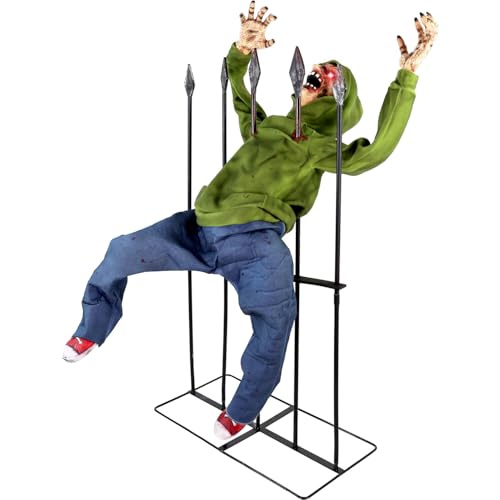
Haunted Hill Farm 4.4-Ft Animatronic Impaled Zombie, Halloween Animatronic, Creepy Party Decoration, Spooky Décor, Macabre Gift for Horror Movie Lovers, Voice-Activated Lights & Sound, Life-Size
Premium Life-Size Animatronic: Frighten guests and trick-or-treaters with this premium quality spine-chilling Halloween decoration
As an affiliate, we earn on qualifying purchases.

TW SHINE Halloween Doll Decorations Outdoor Animatronics, 40" Crawling Scary Groundbreaker Zombie Sound Activated with Lighted Eyes and Voice for Outside Yard Graveyard Haunted House Prop Decor
Animated Clawing Zombie: Dressed in a white gown, this terrifying zombie features a lifelike face with realistic cracks....
As an affiliate, we earn on qualifying purchases.