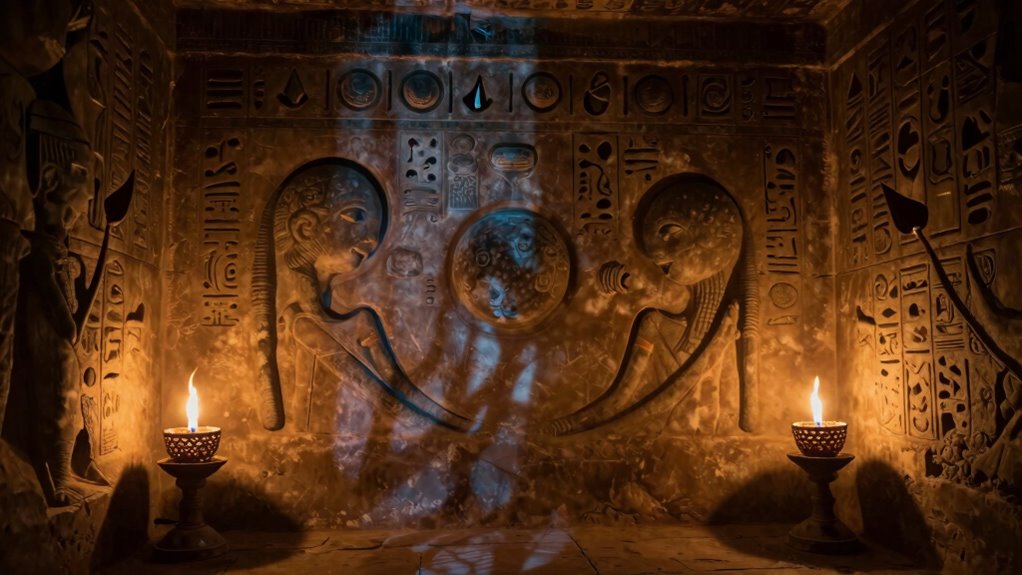

Lanterns date back thousands of years, serving as essential tools for illumination and cultural symbolism long before modern civilization. You’ll find their origins in ancient societies like Egypt and Greece, where they were used in religious rituals and festivals to chase away evil spirits and honor deities. Over time, they evolved from simple lights to intricate symbols of hope, guidance, and cultural identity. To uncover more about their fascinating history and enduring significance, keep exploring below.

Get decor and gifts delivered free with Prime
- Fast, free delivery on millions of items
- Prime Video, Amazon Music and more included
- Member-only deals all year
Key Takeaways
- Lanterns originated as primitive illumination tools made from natural materials like bamboo, paper, and metal in ancient civilizations.
- They symbolized guidance, protection, and spiritual enlightenment across cultures such as China, Egypt, and Greece.
- Early lanterns served practical survival purposes, extending work hours and ensuring safety in dark environments.
- Over time, lanterns evolved from functional objects to ceremonial and decorative symbols reflecting cultural identity.
- Technological advances in materials and lighting methods have continuously enhanced lantern design and significance throughout history.
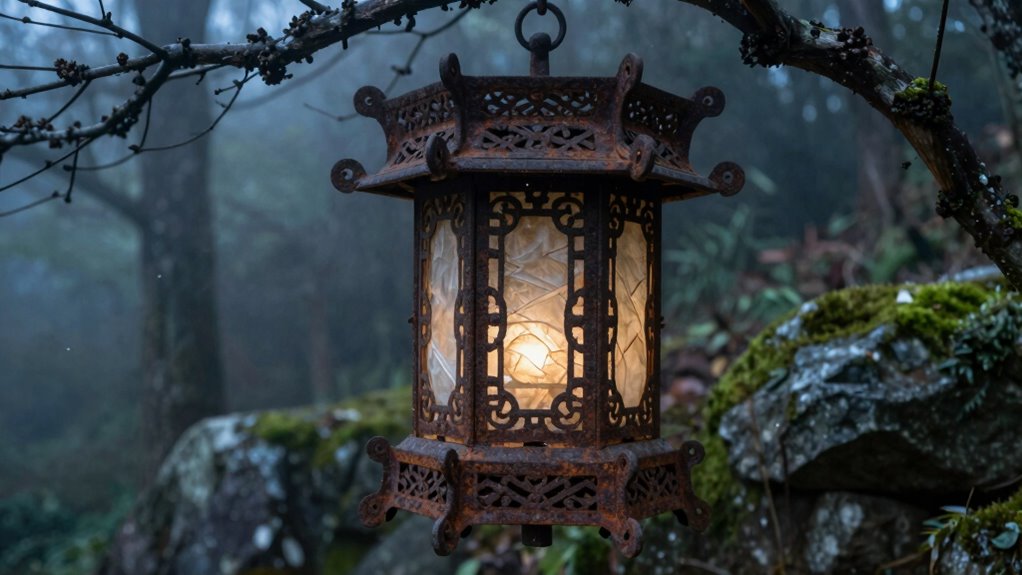
Lanterns have long illuminated festivals and celebrations, but their true origin traces back to ancient times when they served practical and symbolic purposes. In those early days, they weren’t just decorative objects; they were essential tools for survival and communication. Imagine wandering through dark nights without modern lighting—ancient illumination relied heavily on fire-lit lanterns to light your way, especially in the vast, unlit landscapes of the past. These early lanterns, often crafted from materials like bamboo, paper, and metal, provided a safe, portable source of light, making nighttime activities feasible and safer. They helped you navigate unfamiliar terrains, safeguard your homesteads, and extend your work hours beyond sunset. But beyond their practicality, lanterns also carried deep cultural symbolism. They represented hope, guidance, and protection, acting as spiritual beacons in many ancient societies. For example, in China, lanterns became symbols of reunion and harmony, especially during festivals like the Lantern Festival, where lighting lanterns was believed to chase away evil spirits and bring good fortune. Similarly, in Egypt and Greece, lanterns were used in religious ceremonies to honor deities or spirits, embodying the idea of divine illumination. The act of lighting a lantern often signified enlightenment, knowledge, or spiritual awakening, making them more than just physical objects—they became carriers of cultural values and beliefs. Over time, different civilizations adopted and adapted the concept, integrating lanterns into their rituals, festivals, and even political events. You might not realize it, but every time you see a lantern during celebrations, you’re witnessing a tradition rooted in ancient symbolism and survival needs. The evolution from purely functional lighting to decorative and ceremonial use highlights how deeply intertwined lanterns are with human history. They symbolize more than just illumination; they embody community, hope, and the desire to connect with the divine or the unknown. Interestingly, the development of lanterns also reflects advancements in materials and technology, which allowed for more durable and versatile designs over centuries. As societies progressed, innovations in lighting techniques further enhanced their usability and aesthetic appeal. Additionally, the symbolism and design of lanterns often reflected the cultural identity of the society that used them, showcasing their unique artistic styles. Moreover, the technological innovations in lantern design over the centuries demonstrate how human ingenuity has continually improved lighting solutions. Modern lanterns, with their vibrant colors and intricate designs, still carry echoes of those ancient origins. Whether used in festivals, religious rites, or as home decor, they remind you of a time when light was a precious resource and a powerful symbol. So, next time you see a lantern glowing softly in the dark, remember that it’s part of a long, rich tradition—an ancient tool and cultural emblem that has illuminated human life for thousands of years.
Popular right now

eufy E25 Robot Vacuum and Mop Combo with HydroJet Roller Mop

Vitamix Propel Series 750 Professional-Grade Blender, 4 Programs, Black

TCL 85-Inch QM6K Series QLED Mini LED 4K HDR Smart Google TV
As an affiliate, we earn on qualifying purchases.
Frequently Asked Questions
What Materials Were Early Lanterns Commonly Made From?
Early lanterns were commonly made from materials like clay, metal, and paper, chosen for their lantern design flexibility and material durability. You’ll notice that clay and metal provided sturdy frames, while paper allowed for easier illumination. These materials guaranteed the lanterns could withstand the elements and frequent use. Their simple yet effective design has evolved over centuries, but the core materials still influence lantern construction today.
How Did Lanterns Influence Ancient Trade Routes?
Lanterns acted like guiding stars, shaping ancient trade routes by offering illumination during night voyages. You see, Lanterns and Navigation became intertwined, allowing traders to travel safer and farther. They also inspired stories in Literature, highlighting their importance in cultural exchanges. As a result, lanterns helped expand commerce and communication, making trade routes more reliable and fostering connections across civilizations. Their glow truly lit the path for global exchange.
Were Lanterns Used in Religious or Ceremonial Contexts Historically?
You’ll find that lanterns were used in religious and ceremonial contexts throughout history. In mythology, lanterns symbolize guidance, hope, and spiritual enlightenment, often representing the soul’s journey. As art symbols, lanterns convey celebration and illumination during festivals and rituals. You might see them in ceremonies to honor ancestors or ward off evil spirits. Their use highlights their importance beyond practical lighting, serving as powerful symbols in cultural and spiritual traditions worldwide.
How Did Lantern Technology Evolve Over Different Civilizations?
Like a journey through time, lantern technology evolved from simple fire-lit containers to intricate designs across civilizations. In ancient illumination, Chinese silk lanterns became symbols of hope, while Japanese paper lanterns lit up festivals with elegance. Over centuries, civilizations improved materials and mechanisms, creating brighter, safer, and more decorative lanterns. Today’s modern lanterns build on this rich history, transforming ancient illumination into vibrant lantern festivals that celebrate culture and tradition worldwide.
Do Lanterns Have Symbolic Meanings in Various Cultures?
Lanterns carry rich symbolic meanings in various cultures. In folklore, they often represent guidance, hope, and protection, lighting the way through darkness. During festivals, lantern symbolism highlights themes of renewal, remembrance, and community connection. You’ll see lanterns in celebrations like Chinese Lantern Festival or Dia de los Muertos, where they symbolize illuminating the path to the spiritual sphere, honoring ancestors, or celebrating new beginnings.
Conclusion
Now that you know the true history behind lanterns, you’ll see them as more than just glowing lights—they’re like ancient storytellers guiding us through the darkness. Their origins stretch back farther than most realize, connecting you to a tradition that’s as old as time itself. So next time you light a lantern, remember you’re carrying on a centuries-old legacy, illuminating not just your path, but a rich history that’s as deep as the night sky.