
Creepy-cute designs captivate your brain by blending familiar, adorable features with unsettling details, creating a psychological tug-of-war that sparks curiosity and emotional engagement. Your brain responds to this contrast by activating neural pathways linked to both comfort and unease, fueling interest and fascination. The mix of innocence and eeriness triggers a strong emotional reaction, making these characters memorable. If you stay curious, you’ll uncover even more about why this spooky-sweet style resonates so deeply.
Key Takeaways
- The emotional contrast between cute and creepy activates neural pathways associated with both positive feelings and discomfort, making characters intriguing.
- Familiar, adorable features evoke comfort, while unsettling details introduce novelty, sparking curiosity and engagement.
- Cultural context influences how symbols and motifs are perceived, shaping whether characters are seen as endearing or disturbing.
- The brain’s effort to reconcile conflicting signals from familiar and strange features enhances emotional impact and memorability.
- Balancing adorable and eerie elements creates a psychological “tug-of-war” that captivates and maintains viewer interest.

Have you ever wondered why some characters or designs feel both unsettling and adorable at the same time? That feeling is rooted in emotional contrast — a powerful psychological tool that plays with our perceptions and feelings. When we see something that combines elements of cuteness with creepy features, our brains are caught in a tug-of-war between attraction and discomfort. This duality sparks curiosity and engagement because it challenges our usual expectations. On one hand, we recognize familiar cues of innocence or charm, like big eyes or rounded shapes; on the other, we notice unsettling details, such as exaggerated features or eerie expressions. This clash creates a complex emotional response that keeps us hooked, making creepy-cute characters both memorable and intriguing. Recognizing the importance of emotional contrast helps explain why this aesthetic appeals across different contexts.
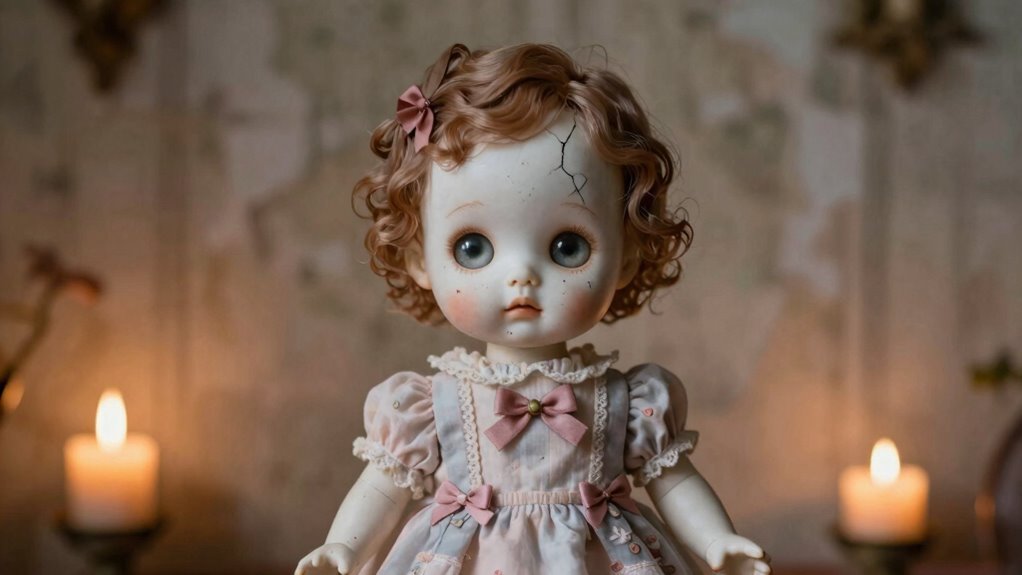
Creepy-cute designs evoke fascination through emotional contrast between innocence and eeriness.
Cultural interpretations also influence how this aesthetic resonates across different societies. In some cultures, certain features or motifs might be seen as symbols of good luck or protection, while in others, they could represent taboo or fear. For example, a character with a stitched-up face might evoke sympathy in one culture but evoke fear in another. These cultural nuances shape how we interpret the emotional contrast embedded in creepy-cute designs. When you encounter a character that blends innocence with eeriness, your cultural background influences whether you find it endearing or disturbing. This variability is part of what makes creepy-cute so fascinating — it taps into shared fears and desires, but also reflects cultural stories and symbolism.
Your brain’s response to creepy-cute imagery is also tied to how it processes novelty and familiarity. When something looks familiar but has unsettling twists, it triggers a mix of comfort and alarm. That emotional contrast sparks a sense of surprise, engaging your curiosity. Your mind is naturally drawn to unravel the mystery behind these characters, trying to reconcile the conflicting signals. This process activates neural pathways associated with both positive feelings — like affection or amusement — and negative reactions, like unease. The result is a complex emotional experience that’s both thrilling and unsettling, which is exactly why creepy-cute designs are so effective.
Ultimately, the appeal of creepy-cute hinges on this emotional contrast and the cultural interpretations that shape our perceptions. It plays on our innate tendencies to find comfort in familiarity while also being captivated by the strange or taboo. When you see a character that’s both adorable and eerie, your brain is actively working to balance these conflicting emotions. This dynamic keeps you engaged, curious, and maybe even a little unsettled — a perfect recipe for something that’s both creepy and cute.
Frequently Asked Questions
How Does Creepy-Cute Influence Our Emotional Responses?
Creepy-cute influences your emotional responses by creating an emotional pairing that balances fear and affection, making you feel intrigued rather than threatened. This blend helps mitigate the threat you might perceive, easing anxiety while still engaging your curiosity. Your brain recognizes the playful contrast, triggering positive feelings and curiosity. As a result, creepy-cute sparks a unique emotional response that combines comfort with excitement, making these visuals both mesmerizing and oddly reassuring.
Can Creepy-Cute Aesthetics Be Harmful or Triggering?
Yes, creepy-cute aesthetics can be harmful or triggering, especially if they evoke dark nostalgia or cause sensory overload. You might find yourself overwhelmed by images that blend innocence with darkness, stirring uncomfortable memories or emotions. This visual clash can tap into unresolved feelings, making you feel anxious or distressed. Be mindful of how these images impact you—what’s playful for some may be unsettling for others.
What Are the Origins of the Creepy-Cute Trend?
You’ll notice the creepy-cute trend stems from an aesthetic evolution influenced by pop culture references like Tim Burton’s work and Halloween imagery. This blend of spooky and sweet appeals because it challenges traditional boundaries, creating a playful, engaging style. By mixing innocence with darkness, it taps into our fascination with duality, making the creepy-cute trend both intriguing and comforting, resonating deeply across fashion, art, and media.
How Does Creepy-Cute Impact Popular Culture and Media?
You see how creepy-cute influences popular culture and media by shaping merchandise trends and inspiring celebrity influence. This trend encourages the creation of playful yet slightly eerie products that appeal to a wide audience. Celebrities embracing creepy-cute styles amplify its reach, making it more mainstream. As a result, you’ll notice more spooky-sweet merchandise and themes in movies, fashion, and social media, blending adorable with unsettling in an irresistible way.
Are There Psychological Benefits to Liking Creepy-Cute Things?
Liking creepy-cute things can boost your mood through neurochemical responses like dopamine release, making you feel happier. It also taps into attachment behaviors, helping you feel connected and comforted by phenomena that blend danger with familiarity. This mix can reduce anxiety and foster a sense of control, providing psychological benefits like stress relief and emotional resilience. So, embracing creepy-cute can be both fun and soothing for your mind.
Conclusion
Now that you understand the creepy-cute appeal, imagine walking into a bakery decorated with tiny, smiling skull cookies. Your brain recognizes the friendly features, making the spooky seem adorable rather than frightening. This blend sparks positive feelings, easing your fears and inviting curiosity. It’s like a kid’s reaction to a friendly monster — you’re drawn in because it’s safe and charming, not scary. That’s the power of “spooky sweet” — it turns the creepy into comfort.