
Creepy whisper sounds tap into your subconscious fears by exploiting both their eerie acoustic qualities and your psychological vulnerabilities. The high-pitched, fragile tone makes whispers seem ghostly and ungrounded, heightening your sense of vulnerability. At the same time, whispers evoke intimacy and secrecy, which can trigger alertness or fear—especially in darkness or silence. This unsettling effect works because your mind searches for meaning and safety in ambiguous sounds, and if you stay engaged, you’ll uncover more about this fascinating phenomenon.
Key Takeaways
- Whispering sounds bypass auditory filters, creating intimacy and vulnerability that heighten alertness and evoke a primal survival response.
- Their high-frequency, fragile quality and unpredictable pitch shifts amplify unease and capture attention in ambient noise.
- Amplified by free-floating sounds, whispers seem ethereal and elusive, intensifying their supernatural and unsettling aura.
- In dark, silent environments, whispers appear to come from nowhere, increasing paranoia and fear of the unknown.
- The psychological impact stems from manipulating vulnerabilities like fear of secrecy and ambiguity, enhancing feelings of mystery and threat.

Have you ever wondered what causes those eerie whisper sounds that seem to float just out of reach? These unsettling noises tap into something deep within us, and understanding why they impact us so profoundly involves exploring their psychological effects and acoustic properties. Whispering sounds are inherently intimate and secretive; they bypass our usual auditory filters and create a sense of vulnerability, making us more alert and tense. When you hear a whisper, your brain instinctively interprets it as a sign of secrecy or danger, which triggers a survival response. This reaction heightens your alertness and primes you to be more receptive to the subtle cues in your environment. The psychological effects are powerful because whispers evoke a sense of intimacy, yet also evoke fear or unease, depending on context. This duality is what makes whispering so effective in creating a creepy atmosphere.
The acoustic properties of whisper sounds play a significant role in their unsettling nature. Unlike regular speech, whispers produce sound waves with higher frequencies and less volume, making them sound fragile and ghostly. The lack of full vocal cord vibration results in a softer, more ethereal quality that feels distant yet invasive. This contrast between the quietness and the clarity of the speech makes whispers stand out against ambient noise, capturing your attention and provoking a sense of mystery. The irregularities in acoustic patterns — sudden shifts in pitch or volume — can also trigger your brain’s alert system, as unexpected or unpredictable sounds are often associated with danger or the unknown. When whispers are combined with specific acoustic properties, they seem to hover in the air, creating an almost supernatural aura that feeds into your subconscious fears. Additionally, the use of free floating sounds can amplify this ethereal effect by making the whispers seem unanchored and elusive, intensifying their eerie impact.
Your mind’s interpretation of these sounds is further shaped by the environment and context. In a dark, silent space, a whisper can seem to come from nowhere, amplifying feelings of paranoia or supernatural presence. The brain’s tendency to seek meaning in ambiguous stimuli means that even a slight variation in a whisper’s tone or pitch can make it seem more threatening or otherworldly. The psychological effects are intensified when you associate whisper sounds with stories of ghostly encounters or horror scenarios, which your brain readily accepts due to prior conditioning. Ultimately, the eerie power of creepy whisper sounds lies in their ability to manipulate acoustic properties and exploit your psychological vulnerabilities, making them an effective tool for generating fear and suspense.
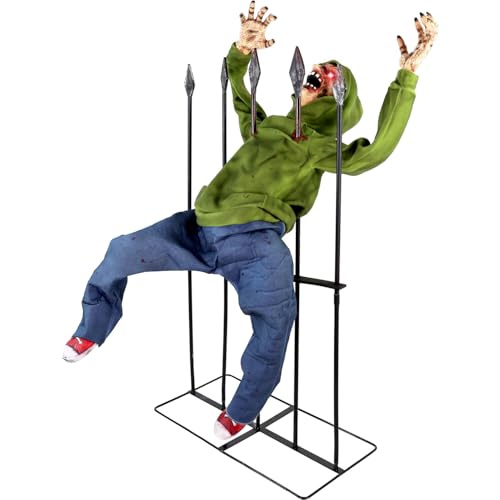
Haunted Hill Farm 4.4-Ft Animatronic Impaled Zombie, Halloween Animatronic, Creepy Party Decoration, Spooky Décor, Macabre Gift for Horror Movie Lovers, Voice-Activated Lights & Sound, Life-Size
Premium Life-Size Animatronic: Frighten guests and trick-or-treaters with this premium quality spine-chilling Halloween decoration
As an affiliate, we earn on qualifying purchases.
Frequently Asked Questions
How Do Different Whisper Tones Affect Listener Psychology?
Different whisper tones influence your psychology through auditory perception and vocal modulation. A soft, high-pitched whisper can evoke feelings of intimacy or unease, while a deeper, slow tone might create suspense or authority. Your brain responds to these subtle vocal cues, triggering emotional reactions. By varying whisper tones, you can manipulate mood and perception, making your message more compelling or unsettling depending on the desired psychological effect.
Can Whisper Sounds Induce Specific Emotional Responses?
Yes, whisper sounds can induce specific emotional responses through auditory illusions and sound symbolism. When you hear a soft, gentle whisper, your brain interprets the sound as calming or intimate, triggering relaxed feelings. Conversely, a whisper that sounds eerie or distorted can evoke fear or unease. These effects rely on how your mind associates certain sounds with emotional states, making whispers powerful tools for influencing mood and perception.
Are There Cultural Differences in the Perception of Whisper Sounds?
Yes, cultural perceptions influence how you perceive whisper sounds, leading to cross-cultural differences. In some cultures, whispers might be seen as intimate or comforting, while in others, they can evoke suspicion or fear. Your reactions depend on these cultural contexts, shaping whether you find whispers soothing or unsettling. Recognizing these differences helps you understand why whisper sounds can have varied emotional impacts across diverse cultural backgrounds.
How Does the Environment Influence the Effectiveness of Whisper Sounds?
Your environment plays a vital role in how whisper sounds work. Studies suggest ambient noise can mask or amplify whisper effects, affecting your emotional response. Spatial perception also influences how eerie or intimate a whisper feels, depending on how sound travels around you. When background noise is low, whispers seem closer and more personal, heightening their creepiness. Conversely, noisy settings diminish their impact, making them less effective.
What Neurological Processes Are Involved in Processing Whisper Sounds?
When you hear whisper sounds, your neural pathways rapidly transmit the signals to your auditory cortex, which processes the subtle, high-frequency cues. This area of your brain interprets the whispers as intimate or eerie, triggering emotional responses. Your brain’s heightened sensitivity to quiet, soft sounds amplifies the effect, making the whispers seem more mysterious or unsettling, especially when environmental factors like silence or echo enhance their impact.

Haunted Hill Farm Life-Size Scary Poseable Talking Witch, Halloween Animatronic with Touch Activated Lights and Sound, Battery Operated Indoor or Covered Outdoor Halloween Decorations, Halloween Prop
Life-size Prop: This poseable witch is perfect for indoors or a covered outdoor area so you can display...
As an affiliate, we earn on qualifying purchases.
Conclusion
So, next time you hear that unsettling whisper, remember—it’s not just noise; it’s science at play. Your mind fills in the gaps, amplifying the eeriness when expectations are set just right. The subtle whispers tap into your deepest fears, creating a chilling effect that’s hard to ignore. But beware—once you understand how they work, those whispers might haunt you even more, lurking just beneath the surface, waiting to send a shiver down your spine when you least expect it.

Haunted Hill Farm 7-Ft Animatronic Soul Harvester by Tekky, Halloween Animatronic, Spooky Prop & Party Decoration, Indoor & Covered Outdoor Creepy Witch Decor Motion-Activated Lights & Sound, LifeSize
Premium Lifesize Animatronic: Extension from top seller Soul Sucker - Frighten guests and trick-or-treaters with this premium quality...
As an affiliate, we earn on qualifying purchases.

Gemmy 6 FT Jason Voorhees Animatronic | Life Size Slasher Halloween Decoration with Knife Movement and Sound Effects for Haunted House, Indoor Outdoor Display
Life-sized Animated Jason Voorhees
As an affiliate, we earn on qualifying purchases.