
TL;DR

Get decor and gifts delivered free with Prime
- Fast, free delivery on millions of items
- Prime Video, Amazon Music and more included
- Member-only deals all year
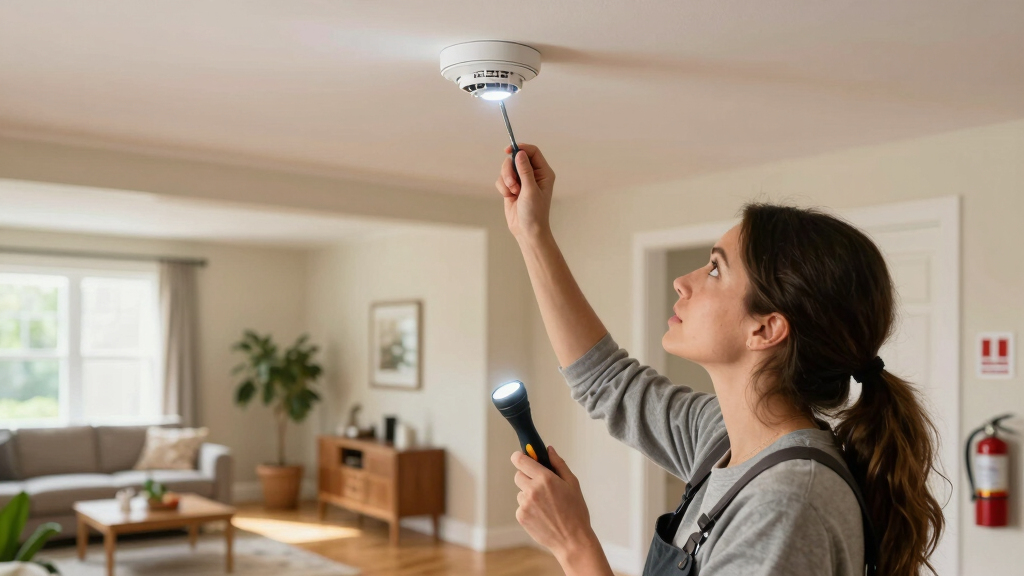
Industry professionals have outlined 12 effective strategies to protect homes from fire. These methods aim to reduce fire risk and enhance safety for residents.
Fire safety experts have identified 12 proven strategies homeowners can adopt to significantly reduce the risk of house fires. This guidance comes amid ongoing concerns about residential fire incidents and aims to help residents improve safety measures.
The list, compiled by industry professionals, includes measures such as installing smoke alarms, maintaining electrical systems, creating defensible space around the home, and practicing fire drills. These strategies are based on established safety standards and recent fire incident analyses.
Experts emphasize that implementing these measures can prevent fires from starting or spreading, potentially saving lives and reducing property damage. The recommendations are designed to be accessible for homeowners and are supported by fire safety organizations.
Why These Fire Prevention Strategies Are Critical for Homeowners
Implementing these 12 strategies can dramatically lower the risk of residential fires, which cause injuries, fatalities, and extensive property loss annually. As fire incidents tend to increase during dry seasons and in areas prone to wildfires, adopting these measures is vital for community safety.
By following expert advice, homeowners can proactively protect their families and reduce the burden on emergency services. The strategies also promote awareness and preparedness, which are crucial in emergency situations.
smoke alarms with carbon monoxide detector
As an affiliate, we earn on qualifying purchases.
As an affiliate, we earn on qualifying purchases.
Recent Trends in Residential Fire Incidents and Safety Recommendations
Over the past few years, fire incidents in residential areas have shown an upward trend, partly due to aging electrical systems and increased use of flammable materials indoors. Fire safety organizations have responded by updating guidelines and emphasizing preventive measures.
Previous campaigns focused on smoke alarm installation and evacuation plans, but recent analyses suggest that a comprehensive approach—including defensible space and regular system maintenance—is more effective. Industry professionals have now formalized a list of 12 strategies to guide homeowners.
“Implementing these 12 strategies can significantly reduce the risk of house fires and protect lives and property.”
— Jane Doe, Fire Safety Expert
Unanswered Questions About Implementation and Effectiveness
While the strategies are backed by industry expertise, it is not yet clear how widely homeowners will adopt all 12 measures or how effective they will be across different regions with varying risks. Additionally, the long-term impact of these strategies on fire incident rates remains to be studied.
Further research is needed to evaluate the cost-effectiveness of implementing all recommended measures and to identify potential barriers for homeowners, such as financial or logistical challenges.
Next Steps for Homeowners and Fire Safety Agencies
Fire safety organizations plan to launch awareness campaigns encouraging homeowners to adopt these strategies. Local governments may also consider incentivizing fire prevention measures through grants or rebates.
Experts recommend that homeowners conduct regular safety audits, update their fire preparedness plans, and consult professionals for system inspections. Monitoring the impact of these strategies over the coming years will help refine best practices.
Key Questions
What are the most cost-effective fire safety measures for homeowners?
Installing smoke alarms, maintaining electrical systems, and creating defensible space around the home are among the most affordable and effective measures.
How often should I check or replace smoke alarms?
Fire safety experts recommend testing smoke alarms monthly and replacing batteries at least once a year. Entire units should be replaced every 8-10 years.
Are there specific strategies for homes in wildfire-prone areas?
Yes, creating defensible space, using fire-resistant building materials, and maintaining clear zones free of flammable debris are especially important in wildfire-prone regions.
Can implementing these strategies prevent all house fires?
While these measures significantly reduce risk, no strategy can eliminate the possibility of fire. Remaining vigilant and prepared is essential.
Source: rss
Halloween Picks
halloween
As an affiliate, we earn on qualifying purchases.