
TL;DR

Get decor and gifts delivered free with Prime
- Fast, free delivery on millions of items
- Prime Video, Amazon Music and more included
- Member-only deals all year
A Hunker report describes using curtain rods and S-shaped hooks to move kitchen utensils and other items off countertops and onto available wall space. The approach can help clear a work surface, but the report says rod capacity typically ranges from 20 to 50 pounds and advises against placing storage above the stove.
A Hunker report describes repurposing curtain rods and S-shaped hooks to hang kitchen utensils and other items, moving them off crowded countertops and onto unused wall space. The storage idea may suit small kitchens, but the report cautions that rods have weight limits and that placement near the stove can create safety and cleaning problems.
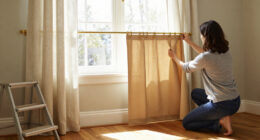
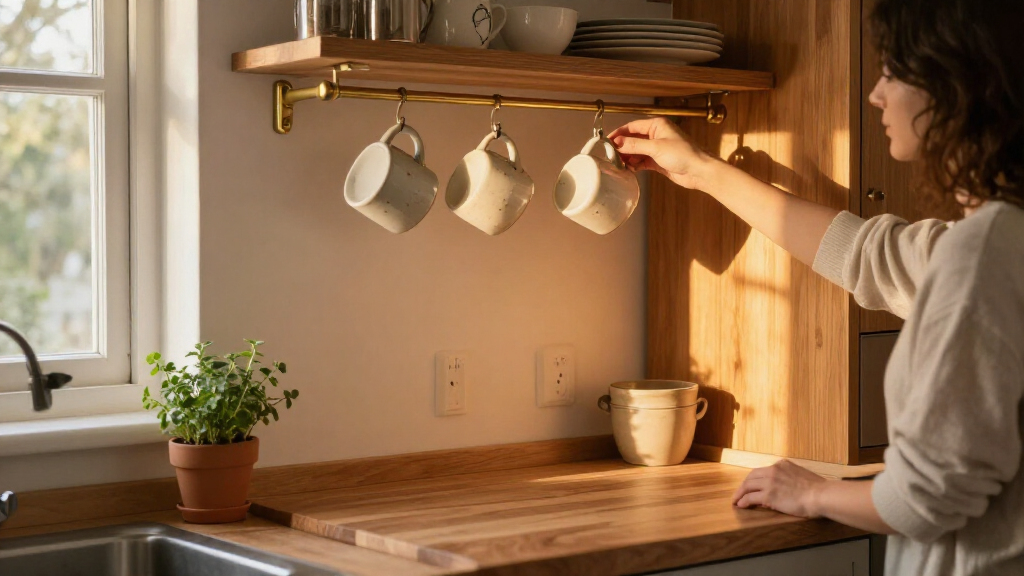
The setup uses a curtain rod mounted in a suitable stretch of kitchen wall, with hooks linked over the rod to hold items such as cooking utensils. The hooks can be moved along the rod, letting users rearrange what hangs where. Hunker also suggests hanging mugs, cutting boards and measuring cups, or suspending a small basket from two hooks for items such as spice jars.
Before buying hardware, the report advises measuring the available space and choosing a rod that fits both the dimensions and the intended use. Possible locations include an open area between or beneath cabinets, or a section along the backsplash. A traditional rod generally needs screw-mounted brackets for support; a tension rod between cabinets is presented as an alternative for renters. The report also mentions using cabinet knobs as anchors for added detail, though the suitability of any mounting method depends on the surfaces and load.
Hunker says curtain rods typically have a maximum capacity of 20 to 50 pounds. That is a broad range, not a guarantee for every rod or installation, and the source does not specify a capacity for any particular product. The report recommends keeping the storage away from the area above the stove, where items can collect flying grease and where wooden or plastic utensils may pose a fire hazard.
Clearing Work Surfaces in Small Kitchens
Moving frequently used tools off the counter can leave more room for meal preparation and reduce the need to shift appliances and utensils around while cooking. That may be especially useful in apartments or other homes with limited kitchen space, the Hunker report says. The practical benefit depends on how much wall space is available and whether the items being moved are suitable for hanging.
The idea also makes stored objects visible and easy to reach, but that can be a drawback if the display becomes crowded or difficult to clean. Hanging items near cooking areas may expose them to grease, and heavier objects can strain the rod or its mounting points. The storage change is therefore not simply a matter of freeing counter space: placement, load and secure installation affect whether it works safely and conveniently.
Popular right now

Ninja CREAMi 7-in-1 Ice Cream Maker, NC299AMZ

De'Longhi Magnifica Evo Fully Automatic Espresso Machine with Manual Milk Frother, Silver

De'Longhi Rivelia Automatic Espresso Machine with Milk Frother
As an affiliate, we earn on qualifying purchases.
How the Rod Storage Setup Works
The report frames the rod as a small do-it-yourself storage option rather than a major kitchen renovation. A user first identifies an open stretch of wall or the space between cabinets, measures it, then selects a rod and compatible mounting hardware. Hooks are placed over the rod and shifted as needed. A basket held by two hooks can extend the setup to smaller objects that cannot hang directly.
Hunker notes that a tension rod may work between cabinets for a renter-friendly arrangement, while traditional rods commonly rely on screws for added security under weight. The source does not provide installation instructions for particular wall materials, nor does it establish that every cabinet gap or backsplash can support a loaded rod. Its suggestions are general; the actual hardware and method need to match the location and expected load.
““Ample counter space is a luxury in any kitchen.””
— Hunker report
Rod Capacity Depends on Installation
The source does not name a specific rod, bracket, wall type or installation, so it cannot establish how much weight a particular setup will safely hold. Its 20-to-50-pound range is presented as typical, not as a universal rating. The weight limit for the complete arrangement may also depend on the hooks, anchors, mounting surface and how the load is distributed.
It is also unclear how much counter space an individual household would recover, since that depends on which objects are moved and whether they can be stored safely on the wall. The report offers a general DIY concept rather than tested results or a product comparison. Users should follow the rod and hardware makers’ load instructions and avoid hanging items where heat, grease or accidental contact could create a hazard.
Measure, Select and Check the Load
For anyone considering the setup, the next steps are to measure the intended space, decide what will hang there and select a rod, hooks and mounting method rated for the expected load. Keep the arrangement away from the stove, make sure hanging items are reachable, and avoid overloading the rod. A tension rod may be an option between cabinets, but its suitability depends on the fit and the manufacturer’s instructions.
The Hunker report does not announce a product launch, building project or follow-up test. It presents a practical storage suggestion; whether it works for a particular kitchen will depend on available wall space, secure installation and the weight of the items.
Key Questions
What can hang from a curtain rod used for kitchen storage?
The Hunker report suggests utensils, mugs, cutting boards and measuring cups on S-shaped hooks. A small basket suspended from two hooks could hold smaller items such as spice jars.
How much weight can a curtain rod hold?
The report gives a typical range of 20 to 50 pounds, but it does not provide a rating for a specific rod or installation. Check the product and hardware instructions, and account for the mounting surface and total load.
Where should the rod be installed?
Suggested locations include open space between or beneath cabinets and along a backsplash. The report advises against placing it above the stove because of grease and fire concerns, particularly for wooden or plastic utensils.
Can renters use this storage idea?
Hunker suggests a tension rod between cabinets as a renter-friendly option. Whether it will hold the intended items depends on the fit, the rod’s rating and the manufacturer’s directions.
Source: hunker.com