
TL;DR

Get decor and gifts delivered free with Prime
- Fast, free delivery on millions of items
- Prime Video, Amazon Music and more included
- Member-only deals all year
Apartment Therapy reports that interior designer Loui Burke recommends folding a duvet and top sheet back by about 15 inches when making a bed. The styling choice displays the sheets and creates a fuller-looking cuff, though the measurement is approximate and its effect is visual.
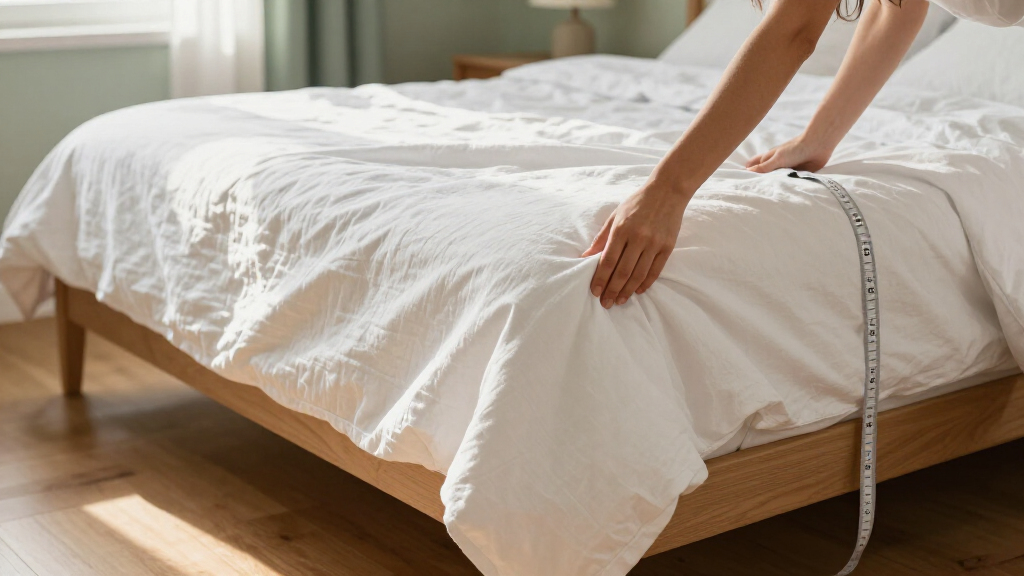
Interior designer Loui Burke recommends folding a bed’s duvet and top sheet back by about 15 inches, a styling technique Apartment Therapy says can display patterned sheets and give the bed a fuller appearance. The advice, shared in an Instagram video, is a visual guideline rather than a requirement to measure each time.
In the video described by Apartment Therapy, Burke demonstrates several bed-styling tips, beginning with folding the duvet and top sheet back on themselves by 40 centimeters, or roughly 15 inches. That fold leaves part of the sheet visible above the duvet. The source does not provide a transcript of Burke’s full instructions or specify how the technique should be adjusted for different bed sizes.
The fold may be especially noticeable when the top sheet has a pattern. Apartment Therapy’s writer suggests placing a printed sheet face down before making the bed so its design faces up once the sheet is folded back. The article also describes pairing the cuff with a chunky throw blanket and oversized throw pillows, referring to a separate follow-up video in which Burke shares additional pillow-styling advice.
Apartment Therapy characterizes the folded layers as adding height and visual fullness. It says luxury hotels have used a similar styling move to make beds appear loftier. The report presents this as an aesthetic effect; it provides no measurements, testing, or evidence that the fold changes a bed’s comfort.
A Simple Fold Changes the Bed’s Look
The technique offers readers a low-effort way to change a bed’s appearance using bedding they may already own. Because the fold puts more of the top sheet on display, it can also make a patterned sheet part of the room’s visible styling instead of hiding it beneath the duvet.
The appeal described in the report is visual and personal. A deeper folded cuff, layered pillows, and a throw can make a bed look more substantial, but the article does not establish that these details improve sleep or comfort. The distinction matters: Burke’s tip is a design suggestion, not a tested household rule or a guarantee that every bed will look the same.
For readers who make their beds each day, the method gives a repeatable starting point without requiring precise measuring. Apartment Therapy notes that the fold need not be exactly 15 inches; the practical aim is a visible, soft cuff. That flexibility makes the suggestion easy to try, while leaving room to adapt it to the bedding and look a household prefers.
From Instagram Tip to Bed Styling
The advice reached readers through an Instagram video by Burke, which Apartment Therapy describes as showing a series of quick bed-styling steps. The publication’s report centers on the fold and mentions additional pillow advice in a follow-up video. It does not give the date the original video was posted or say whether Burke presented the measurement as a formal design standard.
Apartment Therapy’s writer says the fold initially felt unfamiliar because they had been taught to pull the duvet or comforter up beneath the pillows. Seeing Burke’s before-and-after demonstration changed the writer’s view of the look. That account is a personal reaction, not evidence of a broader consensus among designers.
The report also includes reactions from people commenting on Burke’s post. Some described enjoying the process of making the bed or finding it calming. Those comments show how some viewers responded, but they do not establish how common that experience is. The source does not identify commenters or provide a count of responses.
“Fold the duvet and top sheet back on themselves 40 centimeters, or about 15 inches.”
— Loui Burke, interior designer, as described by Apartment Therapy
How Far the Styling Advice Reaches
The source presents the fold as a design tip, but it does not establish that 15 inches is an industry standard, explain whether Burke arrived at the measurement through testing, or compare results across different bed sizes and duvet weights. Apartment Therapy explicitly says the measurement need not be exact.
It is also unclear how widely the technique is used in hotels. The report says luxury hotels have adopted similar styling, but names no hotels and provides no examples or supporting documentation. Its description of a taller, fluffier look is an assessment of appearance, not a measured change in comfort or bed height.
The article’s excerpt does not include a publication date, Burke’s own written explanation, or details such as the original video’s reach. Reader comments quoted in the report are individual responses, and the number of people who tried the method is not stated.
A Tip Readers Can Try at Home
The technique requires no special tool: make the bed, then fold the duvet and top sheet back together to form a visible cuff. Readers who want the printed side of a top sheet to show can place it face down before folding it back. The suggested 15-inch depth is approximate; the source recommends aiming for a fluffy fold rather than measuring precisely.
Burke’s follow-up video, as described by Apartment Therapy, covers additional pillow styling. The source does not announce a new product, formal design standard, or further development tied to the tip. Whether readers choose to adopt the fold depends on their bedding and preferred look.
Key Questions
What is the 15-inch bed-making rule?
It is Loui Burke’s styling suggestion to fold a duvet and top sheet back on themselves by about 40 centimeters, or 15 inches, creating a visible cuff at the top of the bed.
Do I need to measure the fold exactly?
No. Apartment Therapy says the measurement is approximate. The aim is a soft, visible cuff, and the fold can be adjusted to suit the bed and bedding.
Why fold the top sheet back?
The fold leaves more of the sheet visible, which can display a pattern, and creates a fuller-looking layer at the top of the bed. Those are styling effects; the report does not say the fold improves sleep or comfort.
What else does Burke suggest for styling a bed?
Apartment Therapy mentions pairing the fold with a chunky throw blanket and oversized throw pillows. It says Burke discusses pillow styling in a follow-up video.
Source: rss
Halloween Picks
halloween
As an affiliate, we earn on qualifying purchases.