For Black Friday smart TVs, my best overall pick is the Hisense 55-inch E6 Cinema Series, which pairs 4K QLED picture features with Dolby Vision and a Fire TV interface. The TCL 55-inch T7 stands out for shoppers who want 120Hz gaming support, while the Samsung M80H Mini LED is the step-up option for buyers prioritizing brighter, more controlled 4K viewing. The main tradeoffs are screen size, picture technology, gaming features, and whether you prefer Fire TV, Roku, Google TV, or Samsung’s platform. Smaller Full HD models can suit bedrooms and tighter budgets, but they do not offer the resolution or screen area of the 4K choices. Read on for the full breakdown and a practical way to match a TV to your room and viewing habits.

Get decor and gifts delivered free with Prime
- Fast, free delivery on millions of items
- Prime Video, Amazon Music and more included
- Member-only deals all year
Complete the kit


Key Takeaways
- The 55-inch Hisense E6 Cinema Series is the most balanced pick: it combines 4K QLED, Dolby Vision, and Fire TV without requiring a jump to premium Mini-LED models.
- The TCL T7 is the clearest gaming-focused choice: its 120Hz panel gives it a different role from the standard 4K sets, but buyers should confirm their console and preferred inputs can make use of that capability.
- Mini-LED is the premium picture step: Samsung’s 55-inch M80H and 65-inch M70H, along with Hisense’s 75-inch E7, suit buyers who value larger screens or more advanced backlighting over a basic budget set.
- Smart platform preference can settle close calls: Fire TV, Roku, Google TV, and Samsung’s interface each shape app access and everyday navigation, so screen specs are not the only difference.
- Full HD still has a place in small rooms: the 40-inch Roku, Samsung, Insignia, and Hisense models can fit bedrooms or secondary spaces, while 4K is the stronger match for a main-room screen or a larger display.
| Insignia 55-Inch F50 Series 4K UHD LED Smart Fire TV with Alexa Voice Remote |  | Best Entry-Level 55-Inch 4K Pick | Screen size: 55 inches | Display technology: LED | Resolution: 4K UHD (2160p) | VIEW LATEST PRICE | See Our Full Breakdown |
| Roku 40-Inch Select Series Smart TV, 1080p Full HD |  | Best for Simple Streaming in a Small Room | Screen size: 40 inches | Display technology: LED | Resolution: 1080p Full HD | VIEW LATEST PRICE | See Our Full Breakdown |
| Hisense 55″ E6 Cinema Series Hi-QLED 4K UHD Smart Fire TV (55E6QF) |  | Best for Movies and Everyday Gaming | Screen size: 55 inches | Display technology: LCD, LED, and QLED with wide color gamut | Resolution: 4K UHD | VIEW LATEST PRICE | See Our Full Breakdown |
| Hisense 55E6SR 55-Inch 4K UHD Hi-QLED Smart Roku TV (2026) |  | Best for Roku and Apple Home Households | Screen size: 55 inches | Display technology: Hi-QLED with Direct LED backlight | Resolution: 4K UHD | VIEW LATEST PRICE | See Our Full Breakdown |
| Samsung 40-Inch Full HD F6000 Smart TV (2025) | 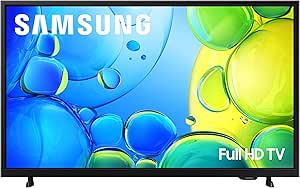 | Best Compact TV for Samsung Households | Screen size: 40 inches | Display technology: LED | Resolution: 1080p Full HD | VIEW LATEST PRICE | See Our Full Breakdown |
| INSIGNIA 40″ Class F40 Series LED Full HD Smart Fire TV, Voice Remote with Alexa, Free & Live TV | 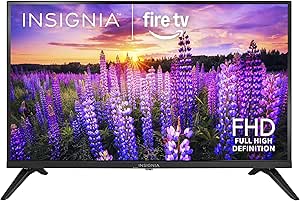 | Best Compact Fire TV | Screen size: 40 inches | Resolution: 1080p Full HD | Display technology: LED | VIEW LATEST PRICE | See Our Full Breakdown |
| Hisense 75-Inch E7 Hi-QLED Mini-LED 4K UHD Smart Fire TV |  | Best Big-Screen Mini-LED | Screen size: 75 inches | Resolution: 4K UHD | Display technology: Hi-QLED, Mini-LED, LCD | VIEW LATEST PRICE | See Our Full Breakdown |
| Panasonic W80 Series 55-Inch QLED 4K UHD Smart Fire TV (2026), Glare Free Max, Dolby Vision and Atmos |  | Best for Bright-Room Viewing | Screen size: 55 inches | Resolution: 4K UHD | Display technology: QLED | VIEW LATEST PRICE | See Our Full Breakdown |
| Samsung 55-Inch M80H Series Mini LED 4K Smart TV (2026) |  | Best for High-Refresh Gaming | Screen size: 55 inches | Resolution: 4K | Display technology: Mini LED | VIEW LATEST PRICE | See Our Full Breakdown |
| Samsung 65-Inch M70H Series Mini LED 4K Smart TV (2026) |  | Best Value for a Larger Screen | Screen size: 65 inches | Resolution: 4K | Display technology: Mini LED | VIEW LATEST PRICE | See Our Full Breakdown |
| Amazon Ember 55-Inch 4-Series 4K UHD Smart TV with Fire TV |  | Best for Alexa-Centered Homes | Screen size: 55 inches | Resolution: 4K Ultra HD | HDR: HDR10+ | VIEW LATEST PRICE | See Our Full Breakdown |
| Hisense 40-Inch QD4SR Hi-QLED Full HD Roku Smart TV |  | Best Compact Roku TV | Screen size: 40 inches | Resolution: 1080p | Display technology: Hi-QLED, LCD, LED | VIEW LATEST PRICE | See Our Full Breakdown |
| TCL 55F7D 55-Inch F7D Series QLED 4K UHD HDR Smart Fire TV (2026) |  | Best for HDR Format Support | Screen size: 55 inches | Display technology: QLED | Resolution: 4K UHD | VIEW LATEST PRICE | See Our Full Breakdown |
| Roku 55-Inch Select Series Smart TV 2026-4K (2160p) QLED TV |  | Best for Simple Roku Streaming | Screen size: 55 inches | Resolution: 4K UHD | Display technology: QLED, LED | VIEW LATEST PRICE | See Our Full Breakdown |
| TCL 55-Inch T7 Series 4K 120Hz QLED Smart Google TV (55T7) |  | Best for Smooth Motion | Screen size: 55 inches | Resolution: 4K UHD (3840 x 2160) | Display technology: QLED, Direct LED | VIEW LATEST PRICE | See Our Full Breakdown |
| Black Friday smart TV | Screen size | Resolution | Display technology | Refresh rate |
|---|---|---|---|---|
| Insignia 55-Inch F50 Series 4K | 55 inches | 4K UHD (2160p) | LED | 60 Hz |
| Roku 40-Inch Select Series Sma | 40 inches | 1080p Full HD | LED | 60 Hz |
| Hisense 55" E6 Cinema Series H | 55 inches | 4K UHD | LCD, LED, and QLED with wide color gamut | 60 Hz |
| Hisense 55E6SR 55-Inch 4K UHD | 55 inches | 4K UHD | Hi-QLED with Direct LED backlight | 60 Hz |
| Samsung 40-Inch Full HD F6000 | 40 inches | 1080p Full HD | LED | 60 Hz |
| INSIGNIA 40" Class F40 Series | 40 inches | 1080p Full HD | LED | 60 Hz |
| Hisense 75-Inch E7 Hi-QLED Min | 75 inches | 4K UHD | Hi-QLED, Mini-LED, LCD | 144 Hz |
| Panasonic W80 Series 55-Inch Q | 55 inches | 4K UHD | QLED | — |
| Samsung 55-Inch M80H Series Mi | 55 inches | 4K | Mini LED | 144 Hz |
| Samsung 65-Inch M70H Series Mi | 65 inches | 4K | Mini LED | — |
| Amazon Ember 55-Inch 4-Series | 55 inches | 4K Ultra HD | — | — |
| Hisense 40-Inch QD4SR Hi-QLED | 40 inches | 1080p | Hi-QLED, LCD, LED | 60 Hz |
| TCL 55F7D 55-Inch F7D Series Q | 55 inches | 4K UHD | QLED | 60 Hz |
| Roku 55-Inch Select Series Sma | 55 inches | 4K UHD | QLED, LED | 60 Hz |
| TCL 55-Inch T7 Series 4K 120Hz | 55 inches | 4K UHD (3840 x 2160) | QLED, Direct LED | 120 Hz native |
More Details on Our Top Picks
Insignia 55-Inch F50 Series 4K UHD LED Smart Fire TV with Alexa Voice Remote
I’d put the Insignia F50 on a Black Friday shortlist for shoppers who want a large 4K screen and a familiar streaming platform without stepping up to a more feature-rich display. Its 4K resolution, HDR10, and upscaling give movies and shows a sharper starting point than the 1080p Roku Select or Samsung F6000. Fire TV also brings streaming apps and free ad-supported content together, while three HDMI ports leave room for devices such as a console and soundbar.
The tradeoff is picture headroom: 300-nit brightness may look restrained in a sunlit room, and the 60 Hz panel is not aimed at high-frame-rate gaming. The Hisense 55-inch E6 Cinema adds Dolby Vision, QLED color, and VRR, making it a more capable cinema-and-gaming choice, though buyers seeking straightforward 4K streaming may not need those extras. The Insignia’s 10-watt built-in audio is another reason to plan for external sound.
Pros:- 55-inch 4K UHD resolution with HDR10 and 4K upscaling
- Fire TV combines streaming apps with free ad-supported content
- Three HDMI ports, including HDMI eARC, plus a broad selection of other connections
- Alexa voice control and VESA wall-mount compatibility
Cons:- 300-nit maximum brightness can limit impact in bright rooms
- 60 Hz refresh rate is less suited to high-frame-rate gaming
- 10-watt built-in speakers may call for a soundbar
Best for: Shoppers furnishing a main living room who want a 55-inch 4K TV, Fire TV streaming, and several HDMI connections without prioritizing advanced gaming features.
Not ideal for: Viewers with a bright, sun-filled room or competitive gamers seeking higher brightness, smoother motion, or a refresh rate above 60 Hz.
- Screen size:55 inches
- Display technology:LED
- Resolution:4K UHD (2160p)
- Refresh rate:60 Hz
- HDR format:HDR10
- Maximum brightness:300 nits
- Smart platform:Fire OS
- HDMI ports:3
- Audio:DTS Virtual:X and Dolby Digital
Our verdict“Choose the Insignia F50 for an affordable-feeling route to a 55-inch 4K Fire TV setup, but look to the Hisense E6 Cinema if you want richer HDR and gaming features.”
Roku 40-Inch Select Series Smart TV, 1080p Full HD
The Roku 40-Inch Select makes the most sense when ease of use and room fit matter more than 4K detail. Its Roku home screen keeps streaming access straightforward, while voice search and AirPlay 2 help viewers find or share content without adding a separate streaming box. Bluetooth headphone mode is a practical advantage for late-night viewing, especially in bedrooms where a full sound setup would be out of place.
Its limits are clear beside the 55-inch Insignia F50: this Roku is smaller and capped at 1080p Full HD, so it is a less compelling choice for a large viewing distance or 4K films. The Samsung F6000 offers another 40-inch Full HD option, with HDR10+ and Samsung’s Tizen platform, while the Roku’s appeal is its simple interface and headphone mode. At 250 nits and 60 Hz, it is best kept out of bright rooms and away from buyers who want stronger motion handling.
Pros:- Straightforward Roku smart-TV interface with voice search
- Bluetooth headphone mode supports private listening
- AirPlay 2 and Miracast screen mirroring
- Three HDMI ports for connecting external devices
Cons:- 1080p resolution offers less detail than the 4K options in this roundup
- 250-nit brightness may struggle in bright rooms
- No motion enhancement technology is specified
Best for: Apartment dwellers, bedroom viewers, and first-time smart-TV buyers who want an easy streaming interface, voice search, and private Bluetooth listening.
Not ideal for: Buyers setting up a large living room, prioritizing 4K detail, or watching sports and games where improved motion handling is a priority.
- Screen size:40 inches
- Display technology:LED
- Resolution:1080p Full HD
- Refresh rate:60 Hz
- Maximum brightness:250 nits
- Smart features:Roku Smart Picture and streaming access
- HDMI ports:3
- Bluetooth:Version 5.2; headphone mode
- Screen mirroring:Apple AirPlay 2 and Miracast
Our verdict“Pick the Roku Select for a compact, uncomplicated streaming TV with private listening, not for a big-screen or 4K-focused setup.”
Hisense 55″ E6 Cinema Series Hi-QLED 4K UHD Smart Fire TV (55E6QF)
I’d favor the Hisense E6 Cinema for a 55-inch setup that needs to balance movie features with casual gaming. Its Hi-QLED color and Dolby Vision give HDR films more color range and format support than the Insignia F50, while Dolby Atmos adds an immersive audio format to the mix. Fire TV keeps streaming familiar, and the AI light sensor can adjust the screen to changing room light rather than leaving one fixed brightness setting.
Game Mode Plus with VRR is a useful extra for compatible gaming devices, but this is still a 60 Hz TV; it is not the pick for high-refresh competitive play. Compared with the Roku-based Hisense 55E6SR, this model keeps Fire TV and adds Dolby Atmos, whereas the 55E6SR brings Apple Home support and Roku’s interface. The E6 Cinema’s combination is more cinema-oriented, but buyers should not mistake its motion features for a higher refresh rate.
Pros:- Hi-QLED color paired with Dolby Vision HDR
- Dolby Atmos support for compatible audio content
- Game Mode Plus includes VRR
- AI light sensor and 4K upscaling support everyday viewing
Cons:- 60 Hz refresh rate falls short of higher-refresh gaming TVs
- Two-channel, 16-watt speaker output may not satisfy buyers seeking powerful built-in sound
- Buyers preferring Roku or Apple Home may favor the Hisense 55E6SR instead
Best for: Movie fans and console players who want a 55-inch 4K Fire TV with QLED color, Dolby Vision, and VRR for everyday gaming.
Not ideal for: Competitive gamers who need a refresh rate above 60 Hz, or shoppers who specifically prefer Roku TV and Apple Home integration.
- Screen size:55 inches
- Display technology:LCD, LED, and QLED with wide color gamut
- Resolution:4K UHD
- Refresh rate:60 Hz
- HDR and surround formats:Dolby Vision, HDR10+ Adaptive, and Dolby Atmos
- Smart platform:Fire TV
- Gaming features:Game Mode Plus with VRR
- Wi-Fi standard:Wi-Fi 6
- Speaker output:16 watts
Our verdict“Choose the E6 Cinema for a feature-rich 55-inch Fire TV aimed at movies and casual gaming, while high-refresh players should seek a faster panel.”
Hisense 55E6SR 55-Inch 4K UHD Hi-QLED Smart Roku TV (2026)
The Hisense 55E6SR suits shoppers who want a 55-inch 4K display but would rather use Roku than Fire TV. Its Hi-QLED panel and Dolby Vision put it in a stronger picture-feature class than the 1080p Samsung F6000, and HDR10 and HLG add support for other HDR material. AI upscaling and noise reduction are aimed at making lower-resolution or grainier sources more watchable, which helps when the household mixes newer streaming shows with older content.
Its platform is a meaningful distinction from the Fire TV-based Hisense E6 Cinema: the 55E6SR supports Apple AirPlay and Apple Home, while the E6 Cinema lists Dolby Atmos and Fire TV instead. Game Mode Plus includes VRR and ALLM, but the panel remains 60 Hz, so it cannot match a higher-refresh gaming TV for motion. I’d choose this Roku model for its ecosystem fit, not on the assumption that its gaming features remove that limit.
Pros:- Hi-QLED color with Dolby Vision, HDR10, and HLG support
- Roku TV offers a different smart-platform option from the E6 Cinema’s Fire TV
- Apple AirPlay and Apple Home support
- AI 4K upscaling and noise reduction support mixed-quality sources
Cons:- 60 Hz refresh rate limits motion compared with higher-refresh TVs
- Game Mode Plus VRR and ALLM do not make it a high-refresh gaming display
- DTS Virtual:X is the listed audio technology, without a specified speaker output
Best for: Roku users and Apple-device households looking for a 55-inch 4K TV with Dolby Vision, AI picture processing, and basic variable-refresh gaming support.
Not ideal for: Competitive gamers seeking a refresh rate above 60 Hz, or Fire TV users who want to keep their streaming setup on Amazon’s platform.
- Screen size:55 inches
- Display technology:Hi-QLED with Direct LED backlight
- Resolution:4K UHD
- Refresh rate:60 Hz
- HDR formats:Dolby Vision, HDR10, and HLG
- Smart platform:Roku TV
- Gaming features:Game Mode Plus, VRR, and ALLM
- Audio technology:DTS Virtual:X
- Smart home and casting:Apple AirPlay and Apple Home
Our verdict“Choose the 55E6SR if Roku and Apple Home fit your household better than Fire TV, but look elsewhere for higher-refresh gaming.”
Samsung 40-Inch Full HD F6000 Smart TV (2025)
The Samsung F6000 is a compact smart TV for viewers who value Samsung’s platform and picture processing more than 4K resolution. Its Tizen interface brings streaming apps and free channels together, while HDR10+, PurColor, and contrast enhancement are intended to add color and definition to compatible Full HD content. At 40 inches, it can fit a bedroom or smaller apartment setup more easily than the 55-inch Insignia F50 or either 55-inch Hisense model.
The tradeoff is resolution: this is a 1080p TV, not a smaller 4K alternative. The Roku 40-Inch Select also tops out at Full HD, but offers Bluetooth headphone mode and AirPlay 2; the Samsung instead stands out with HDR10+ and Object Tracking Sound Lite. Its 20-watt audio specification is stronger on paper than the Insignia F50’s listed 10-watt output, but Q-Symphony requires a compatible soundbar, and smart services require a Samsung Account.
Pros:- Tizen provides access to streaming apps and free channels
- HDR10+, PurColor, and contrast enhancement support Full HD picture quality
- Object Tracking Sound Lite and 20-watt maximum speaker output
- Phone screen mirroring and compatibility with Q-Symphony soundbars
Cons:- 1080p resolution lacks the detail of 4K models such as the Insignia F50
- Q-Symphony requires a compatible soundbar sold separately
- Network-based smart services require a Samsung Account
Best for: Samsung-device owners furnishing a bedroom or smaller living space who want Tizen streaming, HDR10+, and phone screen mirroring on a 40-inch screen.
Not ideal for: Viewers who want 4K detail, Bluetooth headphone listening, or a larger screen for a shared living room.
- Screen size:40 inches
- Display technology:LED
- Resolution:1080p Full HD
- Refresh rate:60 Hz
- HDR format:HDR10+
- Smart platform:Samsung Tizen
- Audio:2-channel speakers, 20 W maximum output
- Dimensions:6.2 × 35.7 × 21.5 inches
- Weight:13 pounds
Our verdict“Pick the F6000 for a compact Samsung smart-TV setup with HDR10+ and Tizen, but choose a 4K model if screen detail matters more than platform fit.”
INSIGNIA 40″ Class F40 Series LED Full HD Smart Fire TV, Voice Remote with Alexa, Free & Live TV
The 40-inch F40 is the straightforward small-room pick: its Full HD resolution suits a bedroom, office, or secondary screen, while Fire TV and Alexa voice search make finding streaming content simple. Compared with the 40-inch Roku Select Series in this roundup, this model leans on Amazon’s platform and adds Alexa control, which is useful if you already use Fire TV devices. Its DTS Virtual:X processing and HDMI ARC also give you a route to better sound through a compatible soundbar.
The tradeoff is a basic 1080p, 60 Hz LED picture, not the sharper 4K or faster gaming experience offered by larger picks such as the Samsung 55-inch M80H. Two HDMI ports may also feel limiting if you connect several devices. I’d choose it for compact, everyday viewing, not as a main-room upgrade for 4K movies or high-refresh gaming.
Pros:- Compact 40-inch screen with Full HD resolution for smaller rooms.
- Fire TV apps and Alexa voice remote support searching and input switching.
- HDMI ARC and DTS Virtual:X provide useful soundbar and audio options.
- Includes parental controls and a headphone jack.
Cons:- 1080p resolution lacks the detail of the 4K models in this roundup.
- 60 Hz refresh rate is a poor fit for high-refresh gaming.
- Two HDMI ports can limit connections for a multi-device setup.
Best for: Apartment dwellers and families furnishing a bedroom or secondary room who want a compact TV with Alexa and Fire TV built in.
Not ideal for: Buyers seeking 4K detail, high-refresh gaming, or multiple HDMI connections for several consoles and home theater devices.
- Screen size:40 inches
- Resolution:1080p Full HD
- Display technology:LED
- Refresh rate:60 Hz
- Smart platform:Fire TV
- Voice control:Alexa Voice Remote
- HDMI ports:2
- VESA mount:200 x 200 mm
Our verdict“Choose this Insignia for a small room and easy Alexa-controlled streaming, but pick a 4K model for a primary TV or gaming setup.”
Hisense 75-Inch E7 Hi-QLED Mini-LED 4K UHD Smart Fire TV
The 75-inch E7 is the large-screen choice for buyers who want more than size alone. Its Mini-LED backlight and full-array local dimming are designed to improve contrast by controlling brightness across screen zones, while quantum dot color and several HDR formats give movies and sports more room for vivid highlights. The 144 Hz refresh rate also makes it better suited to fast gaming than the Panasonic W80, whose listed gaming mode peaks at 120 Hz.
That scale comes with practical compromises: the set weighs 54.7 pounds, needs ample space, and its 20-watt, 2.0-channel speakers may not deliver the impact expected from a screen this large. I’d budget for a soundbar if cinematic audio matters. Compared with the 65-inch Samsung M70H, the Hisense brings a larger screen and a specified 144 Hz panel, but it is a more demanding fit for a room and installation.
Pros:- 75-inch 4K screen creates an expansive viewing area.
- Mini-LED with full-array local dimming targets stronger contrast.
- 144 Hz refresh rate and motion features suit fast games and sports.
- Supports Dolby Vision, Dolby Vision IQ, and HDR10+ formats.
Cons:- At 54.7 pounds, the TV is relatively demanding to lift and mount.
- Built-in audio is limited to 20 watts across 2.0-channel speakers.
- Its large screen requires more viewing distance and wall space than the 55- and 65-inch alternatives.
Best for: Movie fans and console or PC gamers furnishing a large living room who want a 75-inch screen, local dimming, and fast motion.
Not ideal for: Small-room buyers, people installing a TV alone, or viewers expecting powerful built-in sound without adding audio equipment.
- Screen size:75 inches
- Resolution:4K UHD
- Display technology:Hi-QLED, Mini-LED, LCD
- Backlight:Mini-LED with full-array local dimming
- Refresh rate:144 Hz
- HDR formats:Dolby Vision, Dolby Vision IQ, HDR10, HDR10+, HDR10+ Adaptive, HLG
- Audio:Dolby Atmos, 2.0-channel speakers, 20 W maximum output
- Weight:54.7 pounds
Our verdict“Pick the Hisense E7 if you have room for a 75-inch display and want Mini-LED contrast with fast gaming support, and plan for external audio.”
Panasonic W80 Series 55-Inch QLED 4K UHD Smart Fire TV (2026), Glare Free Max, Dolby Vision and Atmos
The Panasonic W80 has a specific advantage for daytime viewing: Glare Free Max is designed to reduce reflections while retaining contrast, a useful distinction from the glossy Samsung M70H. Its 55-inch QLED 4K screen, Dolby Vision support, and Fire TV interface make it a well-rounded living-room option, while Alexa, recommendations, and watchlists keep everyday streaming convenient. For gaming, it includes ALLM and VRR, with a 120 Hz overclocking mode.
The limit is brightness. The listed maximum is 300 nits, so glare reduction should not be mistaken for strong HDR highlights in a sunlit room. The 20-watt built-in audio also leaves room for a soundbar. Compared with the Samsung M80H, the Panasonic offers reflection-focused screen treatment and Dolby Vision, while Samsung lists a 144 Hz refresh rate and Mini LED. I’d favor Panasonic for mixed daylight use, not peak-brightness HDR or the fastest gaming performance.
Pros:- Glare Free Max is designed to cut reflections for daytime viewing.
- QLED 4K panel supports Dolby Vision and HDR10.
- ALLM, VRR, and 120 Hz overclocking provide gaming-focused options.
- Fire TV includes Alexa voice control, recommendations, and watchlists.
Cons:- Listed maximum brightness of 300 nits limits HDR impact in bright rooms.
- 20-watt built-in audio may call for a separate soundbar.
- Its 120 Hz overclocking mode does not match the Samsung M80H’s listed 144 Hz rate.
Best for: Viewers with daytime glare or window reflections who want a 55-inch 4K Fire TV with QLED color and console-friendly features.
Not ideal for: Buyers prioritizing very bright HDR highlights, 144 Hz gaming, or room-filling sound from the TV’s built-in speakers.
- Screen size:55 inches
- Resolution:4K UHD
- Display technology:QLED
- Maximum brightness:300 nits
- HDR formats:HDR10, HLG, Dolby Vision
- Gaming features:120 Hz overclocking, ALLM, VRR
- Smart platform:Fire OS
- Audio output:20 watts maximum
Our verdict“Choose the Panasonic W80 for reflection-conscious daytime viewing and Fire TV convenience, but look elsewhere for brighter HDR or the highest refresh rate.”
Samsung 55-Inch M80H Series Mini LED 4K Smart TV (2026)
Among these mid-size options, the Samsung M80H is the gaming-focused pick: its 144 Hz refresh rate, Motion Xcelerator, and VRR target smoother motion when paired with compatible hardware. The Mini LED panel and NQ4 AI Gen2 processing are intended to add contrast and refine lower-resolution video for a 4K screen, so the set can serve both game nights and everyday streaming. Compared with the Panasonic W80, Samsung specifies a higher refresh rate, while Panasonic adds Glare Free Max and Dolby Vision.
There are format and setup caveats. The listed HDR support is HDR10+, and the product data says full 144 Hz performance requires a compatible PC GPU. Smart features also depend on internet access and a Samsung account. Its 20-watt speakers may not satisfy buyers who want cinematic sound without extra gear. I’d rank it above general-purpose picks for fast play, but not for someone who values Dolby Vision or a reflection-reducing screen treatment more.
Pros:- 144 Hz refresh rate, Motion Xcelerator, and VRR target smooth gaming motion.
- Mini LED display technology is designed to improve contrast.
- AI processing and upscaling target clearer 4K presentation of lower-resolution content.
- Tizen provides access to streaming apps and built-in surround sound.
Cons:- Full 144 Hz performance requires a compatible PC GPU.
- Listed HDR support is limited to HDR10+ rather than Dolby Vision.
- 20-watt speaker output may be underwhelming for movie-focused use.
Best for: PC and console gamers seeking a 55-inch 4K Mini LED TV with a high refresh rate and variable refresh rate support.
Not ideal for: Viewers who want Dolby Vision, a TV explicitly designed to reduce reflections, or a high-end built-in audio system.
- Screen size:55 inches
- Resolution:4K
- Display technology:Mini LED
- Refresh rate:144 Hz
- HDR format:HDR10+
- Processor:NQ4 AI Gen2
- Smart platform:Tizen
- Speaker power:20 watts
Our verdict“Choose the Samsung M80H for high-refresh gaming in a 55-inch Mini LED TV, but favor the Panasonic W80 if Dolby Vision and glare reduction matter more.”
Samsung 65-Inch M70H Series Mini LED 4K Smart TV (2026)
The Samsung M70H is the lineup’s 65-inch 4K screen-first pick: it pairs Mini LED technology with HDR10+ and software-based dimming, giving buyers a larger viewing area and a stated peak brightness of 1,000 nits. Samsung TV Plus, built-in streaming apps, and Gaming Hub make it a practical all-in-one entertainment set. Compared with the 55-inch Samsung M80H, the M70H adds ten inches of screen area, while the M80H is the stronger match for competitive gaming because its listed refresh rate is 144 Hz.
The M70H’s standard rate is 60 Hz; its DLG mode can reach 120 Hz, but the supplied product information warns that image sharpness drops in that mode. Dimming is software-based rather than full-array hardware-based, so I wouldn’t treat its Mini LED label as equivalent to the Hisense E7’s specified full-array local dimming. A glossy finish may also reflect room lights, unlike the Panasonic W80’s glare-reduction feature. This is best for screen size and streaming, not uncompromised gaming.
Pros:- 65-inch 4K display offers a larger viewing area than the 55-inch alternatives.
- Listed brightness reaches 1,000 nits, with HDR10+ support.
- Samsung TV Plus, streaming apps, and Gaming Hub are built in.
- Mini LED technology and color enhancement target vivid picture presentation.
Cons:- Native refresh rate is 60 Hz; DLG’s up-to-120 Hz mode reduces image sharpness.
- Dimming is software-based rather than full-array hardware local dimming.
- Glossy screen finish can reflect lights more than the Panasonic W80’s glare-focused screen.
Best for: Families wanting a 65-inch 4K TV for streaming, sports, and shared viewing, with free Samsung TV Plus channels and a gaming hub.
Not ideal for: Competitive gamers who need a consistent high refresh rate, or viewers who prefer full-array dimming and a reflection-reducing screen.
- Screen size:65 inches
- Resolution:4K
- Display technology:Mini LED
- Native refresh rate:60 Hz
- DLG refresh rate:Up to 120 Hz, with reduced image sharpness
- Maximum brightness:1,000 nits
- HDR format:HDR10+
- Smart features:Samsung TV Plus, streaming apps, Gaming Hub
Our verdict“Choose the M70H for a larger, bright 4K streaming screen, but opt for the M80H if smooth high-refresh gaming is your main priority.”
Amazon Ember 55-Inch 4-Series 4K UHD Smart TV with Fire TV
I’d put the Ember on the shortlist for buyers who want a straightforward 55-inch 4K set that fits naturally into an Alexa-based home. HDR10+, Dolby Audio, and Wi-Fi 6 cover the core streaming experience, while four HDMI inputs leave room for a console, soundbar, and other gear. Its Omnisense sensors add a hands-free convenience feature that the Roku Select Series does not advertise.
Compared with the TCL 55F7D, the Ember offers more HDMI inputs, but TCL lists broader HDR support and gaming-focused features. The Ember’s quad-core processor and Alexa+ controls suit app browsing and voice searches; they don’t remove the need for subscriptions, and gaming services depend on compatible equipment. I’d choose it for convenience and connectivity, not for advanced gaming or the widest HDR format support.
Pros:- 4K resolution and HDR10+ support detailed, higher-contrast viewing.
- Wi-Fi 6 and a quad-core processor support responsive streaming and app use.
- Four HDMI inputs accommodate multiple connected devices.
- Alexa+ controls and Omnisense sensors add voice and hands-free convenience.
Cons:- HDR support is narrower than the Dolby Vision and multi-format support listed for the TCL 55F7D.
- Gaming services and features depend on compatible devices or subscriptions.
- Some streaming content requires separate subscriptions.
Best for: Alexa households seeking a 55-inch 4K streaming TV with several HDMI connections and hands-free wake convenience.
Not ideal for: Viewers who prioritize broad HDR format support or gaming features; the TCL 55F7D lists Dolby Vision and VRR-related features.
- Screen size:55 inches
- Resolution:4K Ultra HD
- HDR:HDR10+
- Audio:Dolby Audio
- Processor:Quad-core
- Wi-Fi:Wi-Fi 6
- HDMI inputs:4
- Voice assistant:Alexa+
- Remote technology:Bluetooth 5.0
Our verdict“Choose the Ember if Alexa integration and four HDMI inputs matter more than broad HDR support or gaming-specific features.”
Hisense 40-Inch QD4SR Hi-QLED Full HD Roku Smart TV
The Hisense QD4SR is the compact choice here: its 40-inch screen and Roku interface suit a bedroom, small apartment, or secondary viewing space better than the 55-inch sets in this batch. Hi-QLED color, Full Array LED backlighting, and noise reduction aim to make everyday broadcasts and streams look clearer, while AI Sports Mode gives sports viewers a tailored picture setting. Roku also brings live TV and streaming apps into a familiar home screen.
The tradeoff is resolution: at 1080p, it cannot match the fine detail of the 4K Ember or Roku Select Series, especially at closer viewing distances. Its 60 Hz refresh rate and 250 cd/m² maximum brightness also make it a modest pick for fast action or bright rooms. I’d choose this over a larger 4K TV when room size and Roku simplicity matter more than resolution.
Pros:- Compact 40-inch size fits secondary rooms and smaller spaces.
- Hi-QLED color and Full Array LED backlighting support richer everyday picture quality.
- Roku OS combines streaming apps, live TV, and free content.
- AI Sports Mode and noise reduction target clearer sports and broadcast viewing.
Cons:- 1080p resolution falls short of the 4K detail offered by the Ember and Roku Select Series.
- 60 Hz refresh rate is less suited to viewers seeking smoother fast-motion viewing.
- 250 cd/m² maximum brightness may limit picture impact in bright rooms.
Best for: Buyers furnishing a bedroom or compact living space who want Roku apps, live TV, and a 40-inch screen.
Not ideal for: Viewers seeking 4K detail, higher refresh rates, or a bright-screen centerpiece for a sunlit room.
- Screen size:40 inches
- Resolution:1080p
- Display technology:Hi-QLED, LCD, LED
- Refresh rate:60 Hz
- HDR format:HDR10
- Maximum brightness:250 cd/m²
- Audio:Dolby Audio, 2.0-channel stereo
- Operating system:Roku OS
- Weight:10.4 pounds
Our verdict“Pick the Hisense QD4SR for a compact Roku TV, but choose one of the 55-inch 4K models if screen detail is the priority.”
TCL 55F7D 55-Inch F7D Series QLED 4K UHD HDR Smart Fire TV (2026)
The TCL 55F7D stands out for buyers who want their 4K TV to accept a wide range of HDR formats. Its QLED panel supports Dolby Vision, HDR10+, HDR10, and HLG, giving compatible films and shows more ways to use their intended picture format. Fire TV and Alexa voice control keep streaming access familiar, while AirPlay 2 and HomeKit make this a more flexible fit for Apple households than the Ember.
For sports and action, MEMC motion enhancement and the listed Game Accelerator 120 with VRR support add useful features, though the panel’s stated refresh rate remains 60 Hz. That distinction matters: this is not the same proposition as the native 120 Hz TCL T7 Series. The F7D also has three HDMI ports, one fewer than the Ember, and only one USB port. I’d favor it for HDR flexibility and smart-home links, not for a high-refresh-rate gaming setup.
Pros:- QLED display supports Dolby Vision, HDR10+, HDR10, and HLG.
- Fire TV and Alexa voice control bring streaming and searches together.
- AirPlay 2 and HomeKit support suit Apple device and smart-home users.
- Auto Game Mode, Game Bar, and listed VRR support add gaming conveniences.
Cons:- The stated 60 Hz refresh rate is below the TCL T7 Series’ native 120 Hz.
- Three HDMI ports are fewer than the four on the Amazon Ember and TCL T7 Series.
- One USB port limits wired accessory connections.
Best for: Movie and streaming viewers who want QLED color, broad HDR format compatibility, and Apple smart-home features.
Not ideal for: Buyers seeking a native 120 Hz panel or several USB connections; the TCL T7 Series lists a 120 Hz refresh rate and two USB ports.
- Screen size:55 inches
- Display technology:QLED
- Resolution:4K UHD
- Refresh rate:60 Hz
- HDR formats:Dolby Vision, HDR10+, HDR10, HLG
- Motion enhancement:MEMC frame insertion
- Smart platform:Fire TV
- HDMI ports:3
- USB ports:1
Our verdict“Choose the TCL 55F7D for broad HDR support and Apple compatibility, but look to the TCL T7 Series for native 120 Hz motion.”
Roku 55-Inch Select Series Smart TV 2026-4K (2160p) QLED TV
I’d recommend the Roku Select Series to buyers who want 55-inch 4K QLED viewing without a complicated smart-TV setup. Its Roku home screen, voice remote, and broad app access make it easy to find live TV and streaming content, while AirPlay 2 and voice-assistant compatibility add convenient ways to share or control content. Compared with the Hisense QD4SR, it steps up from 1080p to 4K resolution and a larger screen.
It also offers four HDMI ports, matching the Amazon Ember and giving it more room for connected devices than the TCL 55F7D. But the Roku’s listed 60 Hz refresh rate, direct LED backlight, and 250-nit maximum brightness place it closer to everyday streaming than high-end HDR or gaming. Although the product description mentions VRR, the supplied display specifications do not list a higher refresh rate. I’d choose it for ease of use, not for advanced motion performance.
Pros:- 55-inch 4K QLED screen combines large-screen viewing with wide-color display technology.
- Roku OS offers a simple home screen, streaming apps, and free live content.
- Four HDMI ports provide room for multiple connected devices.
- Voice remote, AirPlay 2, and Bluetooth headphone mode support flexible control and listening.
Cons:- 60 Hz refresh rate is not the native 120 Hz listed for the TCL T7 Series.
- 250-nit maximum brightness may be limiting in bright viewing spaces.
- Direct LED backlighting and no listed motion enhancement make it less suited to buyers seeking advanced picture processing.
Best for: Roku-first households seeking an easy-to-use 55-inch 4K TV with voice search, AirPlay 2, and multiple HDMI inputs.
Not ideal for: Gamers prioritizing native high-refresh-rate motion or viewers who need a very bright screen for a sunlit room.
- Screen size:55 inches
- Resolution:4K UHD
- Display technology:QLED, LED
- Refresh rate:60 Hz
- HDR formats:HDR10, HDR10+, HLG
- Maximum brightness:250 nits
- Smart platform:Roku OS
- HDMI ports:4
- Screen mirroring:AirPlay 2, Miracast
Our verdict“Pick the Roku Select Series for approachable 4K streaming and simple controls, not for high-refresh gaming or bright-room viewing.”
TCL 55-Inch T7 Series 4K 120Hz QLED Smart Google TV (55T7)
The TCL T7 Series is the motion-focused pick in this group. Its native 120 Hz refresh rate gives sports and fast-moving games a smoother foundation than the 60 Hz Ember, TCL 55F7D, or Roku Select Series. The QLED 4K panel also supports Dolby Vision, HDR10+, HDR10, and HLG, while Google TV brings apps and voice search together. For viewers who split their time between streaming, sport, and gaming, this combination is more versatile than the simpler Roku Select Series.
The AIPQ Pro processor handles upscaling, and Dolby Atmos and DTS formats add audio support, though built-in TV sound is not a substitute for a dedicated sound system. There are four HDMI ports and two USB ports, but the supplied specs say it lacks HDMI 2.1 and limits features such as VRR for next-generation consoles. I’d choose it for smooth motion, not for the most complete console-gaming connection set.
Pros:- Native 120 Hz refresh rate supports smoother motion than the 60 Hz models in this batch.
- QLED 4K display supports Dolby Vision, HDR10+, HDR10, and HLG.
- AIPQ Pro processor provides picture processing and upscaling.
- Four HDMI ports, two USB ports, and Google TV offer flexible device and app access.
Cons:- Lacks HDMI 2.1, limiting features such as VRR for next-generation consoles.
- At 24.3 pounds, it is heavier than the Roku Select Series and may be less convenient to wall mount.
- Built-in audio format support does not guarantee the impact of a separate sound system.
Best for: Sports viewers and gamers who want a 55-inch 4K QLED TV with native 120 Hz motion and Google TV.
Not ideal for: Next-generation console owners who specifically need HDMI 2.1 and its associated gaming features, or buyers who want a lighter wall-mount option.
- Screen size:55 inches
- Resolution:4K UHD (3840 x 2160)
- Display technology:QLED, Direct LED
- Refresh rate:120 Hz native
- HDR formats:Dolby Vision, HDR10+, HDR10, HLG
- Processor:AIPQ Pro
- Smart platform:Google TV
- HDMI ports:4, one with eARC
- USB ports:2
Our verdict“Choose the TCL T7 Series for native 120 Hz sports and gaming motion, but skip it if HDMI 2.1 is a requirement.”
How We Picked
I ranked these TVs by how well their stated features match common Black Friday buying needs: a usable screen size, picture technology, resolution, smart platform, and gaming support. I gave more weight to balanced choices that can serve as a main-room TV than to models whose appeal depends on a narrow use, such as a small Full HD bedroom set. The lineup includes several 55-inch 4K options, so platform and picture differences matter as much as the shared resolution.
The order also reflects who gains the most from each step up. QLED and Dolby Vision add picture options, Mini-LED targets buyers seeking more advanced backlighting, and 120Hz support can matter to players with compatible hardware. Smaller or Full HD models rank lower for all-purpose use, not because they have no purpose, but because their best fit is more specific. I treat the listed features as the basis for comparison and do not assume unlisted performance details.
Factors to Consider When Choosing Black Friday Smart TVs
Black Friday TV shopping can make screen size and headline technology seem like the whole decision. I would start with the room, viewing distance, and the people who will use the TV, then narrow the options by picture needs and smart platform. These checks help prevent paying for features that will go unused or choosing a screen that feels wrong once it is in place.
Match Screen Size to the Room
A larger screen can make films and sports more engaging, but it also needs enough wall or stand space and a comfortable viewing distance. Measure the available width and height before shopping, including the space taken by the stand if the TV will sit on furniture. A 75-inch model may be a better fit for a spacious living room, while a 40-inch set can make more sense in a bedroom or compact kitchen. Shoppers often focus on diagonal size and forget that the TV’s outer dimensions and stand placement affect fit. If you are choosing between a larger basic model and a smaller set with stronger picture features, decide which matters more from your usual seat.
Decide Whether 4K Matters in Your Room
Most of this lineup offers 4K, while several 40-inch choices are Full HD. The benefit of 4K is easiest to appreciate on a larger screen or when you sit close enough to notice fine detail; it may matter less on a small secondary TV viewed from farther away. Before paying extra for resolution, check whether your streaming services, console, or other sources provide content at that resolution. A common mistake is choosing solely by the largest resolution label without considering screen size and viewing habits. For a main-room TV that may stay in use for years, 4K gives more flexibility; for a smaller room with casual viewing, Full HD may be a sensible fit.
Choose Picture Features for Your Viewing Habits
QLED, Mini-LED, Dolby Vision, and HDR support describe different parts of a TV’s picture experience, so a longer feature list does not automatically make a set right for every buyer. QLED is a useful distinction among several 55-inch models here, while Mini-LED appears on the premium Samsung and larger Hisense options. Consider what you watch most: film fans may value supported HDR formats, while daytime viewers may care more about how the screen handles their room’s lighting. Glare-related features can matter in bright spaces, but curtains and screen placement may solve some of the same problem at lower cost. I would pay more for advanced picture features only if the room, content, and screen size give those features room to matter.
Treat the Smart Platform as Part of the TV
Fire TV, Roku, Google TV, and Samsung’s smart system influence how you find apps, search for shows, and control connected devices. If your household already uses a platform, staying with it may reduce setup and make voice controls more familiar. If several people will use the TV, think about which interface they can navigate without help rather than selecting by brand alone. Check that the apps and services you rely on are available on the platform before buying. The platform can also shape how much time you spend in menus, so a TV with suitable picture features may still be a poor match if its interface does not suit your routine.
Pay for Gaming Features Only When You Can Use Them
A 120Hz panel can benefit compatible games by supporting higher refresh rates, but the TV’s feature matters only when the console or PC, game, and connection support the same capability. If you mainly play slower-paced games or use the TV for streaming, a standard refresh-rate 4K set may be the more practical choice. Check the inputs and the exact gaming features listed for the model instead of relying on a series name or broad gaming label. Buyers can also mistake motion-rate marketing for a native panel refresh rate, so verify what the specification actually says. The TCL T7’s stated 120Hz support makes it the gaming-oriented option in this group, but many buyers will get more value from choosing their preferred size and platform first.
Plan for Installation, Connections, and Everyday Use
Before choosing a TV, count the devices that will connect to it, such as a soundbar, console, streaming box, or antenna. Check the model’s port list and placement so cables can reach without awkward bends or blocking nearby sockets. A built-in smart platform may reduce the need for an external streamer, but it does not replace a soundbar or other equipment if you want a different audio setup. Wall mounting adds another measurement task: confirm the mount standard and leave room for cables and ventilation. These practical checks are easy to skip during a sale but can determine whether the set works smoothly in your home.
Frequently Asked Questions
Which Black Friday TV in this roundup is the best fit for a main living room?
I would start with the 55-inch Hisense E6 Cinema Series for a balanced main-room setup, since it combines 4K QLED features, Dolby Vision, and Fire TV. If gaming is a priority, the TCL T7 is a stronger match because it lists 120Hz support. Buyers who want a larger screen or Mini-LED backlighting should compare the 65-inch Samsung M70H and 75-inch Hisense E7 instead. Measure the room and viewing distance before deciding that the biggest available screen is the right one.
Should I choose a 40-inch Full HD TV or a 55-inch 4K model?
Choose based on the room and how far away you sit, not resolution alone. A 40-inch Full HD TV can suit a bedroom, office, or secondary space where a large screen would be awkward. A 55-inch 4K set is usually a more flexible choice for a main viewing area, especially if you watch detailed films or use a console. Also compare smart platforms and device connections, since those may matter more than extra pixels in a casual-use room. If the smaller TV will be your primary screen, make sure its size and resolution match the way you watch.
Is Mini-LED worth paying more for compared with QLED?
Mini-LED is most appealing if you want a more advanced backlighting system and plan to use the TV in a larger or brighter main room. In this lineup, Samsung’s M80H and M70H and Hisense’s 75-inch E7 occupy that step-up role, while several 55-inch QLED models offer a more straightforward balance of features. The label alone cannot tell you how a particular TV performs in your room, so compare the full specifications and look for the features you will use. If your viewing is mostly casual streaming in a smaller room, a QLED set may be the more sensible choice. Spend more on Mini-LED when its picture approach and screen size solve a real need for you.
Do I need a 120Hz TV for console gaming?
Not every console player needs 120Hz. It is most useful when your console and the games you play can output higher frame rates and the TV supports the required connection features. The TCL T7 is the lineup’s stated 120Hz option, making it the one to investigate first if smooth high-refresh gaming is a priority. For casual play, story-focused games, or older hardware, a 4K TV without that feature may be a better use of your budget. Check the exact model specifications and your console’s output settings before choosing.
How should I choose between Fire TV, Roku, Google TV, and Samsung’s platform?
Start with the apps and services you already use, then consider which interface will feel easiest for everyone in your home. Fire TV appears across several models here, Roku is available in both Full HD and 4K choices, and the TCL T7 uses Google TV; the Samsung options use Samsung’s smart platform. Check that your preferred streaming apps are supported and that the voice or device controls you rely on work with the set. A familiar platform can make daily use easier, but it should not outweigh a major mismatch in screen size or gaming needs. If you already own an external streamer, platform differences may carry less weight.
Conclusion
For the best overall balance, I would choose the 55-inch Hisense E6 Cinema Series; it brings 4K QLED features and Dolby Vision together in a broadly useful size. For best value in a smaller room, look at the Roku 40-inch Select or Insignia 40-inch F40, choosing between Roku and Fire TV. The best premium direction is Samsung’s Mini-LED models, with the 55-inch M80H for a more moderate footprint and the 65-inch M70H for more screen area; the Hisense 75-inch E7 suits buyers who want a very large display. For beginners, I would favor a size and smart platform they already recognize, such as a Roku Select or a Fire TV model, rather than paying for features they may not use. For gaming, the TCL T7 is the specific pick to investigate for its stated 120Hz support. Match the model to your room, devices, and platform preferences, and you will have a clearer Black Friday shortlist.