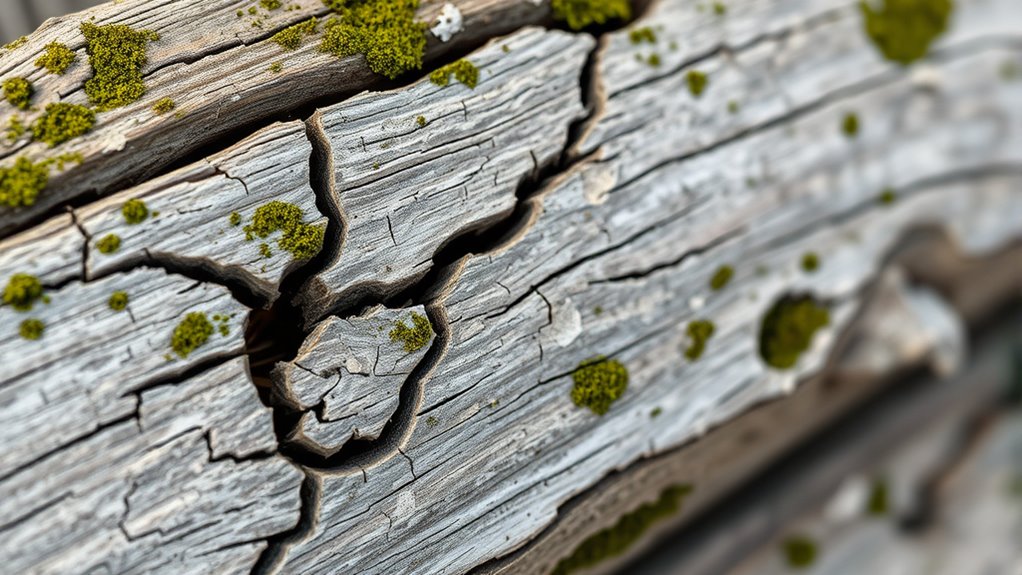

To create realistic age and rot on props, choose weather-resistant materials like acrylics, weathering compounds, or textured natural substances. Apply techniques such as dry brushing, washes, and sanding to mimic wear, rust, and decay. Layer different shades to add depth and use cracks or discoloration to suggest deterioration. Focus on small details like grime and chipping for authenticity. By following these methods, you’ll add realistic, believable aging effects—more tips await if you keep going.
Open a free Amazon Business account
Business pricing, bulk buying and tax-exempt orders.
As an affiliate, we earn on qualifying purchases.
Key Takeaways
- Use weathering techniques like dry brushing, washes, and stippling to simulate surface wear, dirt, and grime.
- Apply rust and corrosion effects with pigment powders, paint washes, and textured layering on metal surfaces.
- Create cracks, discoloration, and rough textures with sanding, scraping, and color shifting for wood decay.
- Build depth with layered paint, highlights, shadows, and varying paint thickness to enhance realism.
- Incorporate environmental influences such as moisture and sunlight to inform natural aging and rot patterns.
As an affiliate, we earn on qualifying purchases.
Selecting Appropriate Materials for Aging Effects

When creating realistic age and rot effects on props, choosing the right materials is essential. Faux aging techniques often rely on specific materials that can mimic decay and wear convincingly. Look for products designed for surface staining, such as acrylic paints or specialized weathering compounds, which allow for precise color staining. These materials enable you to add depth and variation, making the aging look authentic. Avoid cheap paints that peel or chip easily; instead, opt for durable, flexible options that can withstand handling. You might also consider using natural materials like clay or rubber for textured effects, but always make sure they can be stained or colored to achieve the desired aged appearance. Selecting quality materials sets a strong foundation for realistic, effective aging effects. Additionally, understanding electric dirt bikes and their capabilities can help inform the authenticity of mechanical props that require functional or realistic-looking components.
Techniques for Creating Surface Wear and Tear

To convincingly portray surface wear and tear, you need to apply targeted techniques that simulate damage and aging. Focus on creating effects that reflect historical accuracy, considering the specific time period or setting your prop represents. Environmental factors like moisture, sunlight, and temperature play a vital role in shaping the wear patterns; incorporate these influences into your techniques. Use dry brushing to add subtle scratches and abrasions, and apply washes or glazes to create dirt and grime buildup. Sanding or scraping can mimic prolonged use or contact, while color shifting highlights areas where paint or surface layers have chipped or faded. Understanding how these factors interact over time, along with material degradation processes, helps you achieve a realistic, authentic aged appearance that enhances your prop’s believability.
Simulating Wood, Metal, and Other Material Decay
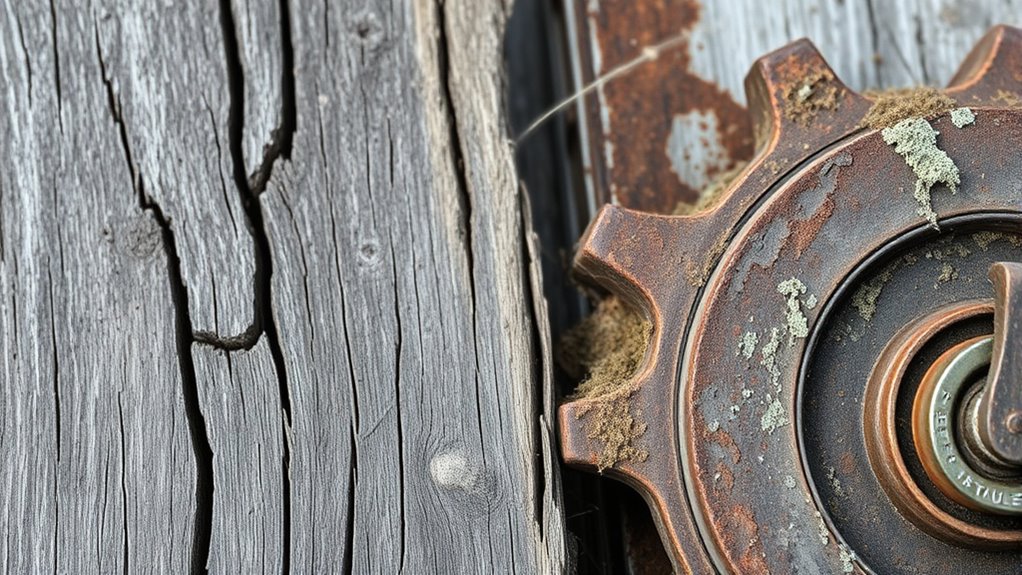
Simulating decay in wood, metal, and other materials brings realism to aging props by replicating natural deterioration processes. Faux aging techniques allow you to create convincing effects of rust, rot, and surface erosion through decay simulation. You might use paint washes, dry brushing, or pigment powders to mimic rust streaks on metal or darkened areas on wood. For wood, add subtle cracks, discoloration, and rough textures to suggest decay. Metal surfaces can be weathered with rust effects, corrosion spots, and pitting. These methods help you achieve authentic-looking deterioration without actual decay. By carefully applying decay simulation, you enhance the overall realism of your props, making them appear genuinely aged and weathered, adding depth and history to your creations. Incorporating emotional intelligence into your technique can also help you better understand how to make the decay appear more natural and convincing.
Applying Paint and Weathering Layers for Authenticity

Applying paint and weathering layers is essential for creating realistic aged effects on props. You’ll want to focus on faux aging techniques that mimic natural wear and tear. Start with a base coat that matches the material’s original color, then layer on additional shades for depth. Use color blending to seamlessly shift between different tones, enhancing authenticity. To achieve convincing results, consider adding subtle highlights and shadows. Here are some tips:
Master the art of faux aging with layered paint, blending colors, and subtle highlights for realistic, weathered props.
- Use dry brushing to create chipped paint effects
- Apply washes for dirt and grime buildup
- Blend colors smoothly for natural gradations
- Add rust or stain effects where needed
- Vary paint thickness for realistic texture
- Incorporate weathering layers to deepen the aged appearance
These steps help produce a convincing, aged appearance that truly brings your props to life.
Tips for Enhancing Depth and Realism in Rot Effects

Adding depth and realism to rot effects requires careful variation in texture, color, and application techniques. To achieve a vintage aesthetics look, focus on layering different shades of browns, greens, and blacks to mimic natural decay. Incorporate subtle cracks and irregular surface textures to add visual interest and authenticity. Use sponges, stippling brushes, or even toothbrushes to create uneven, organic patterns that reflect real rot’s complexity. Draw artistic inspiration from photographs of aged wood, metal, or organic matter to refine your approach. Vary the intensity of your application, concentrating darker colors in crevices and lighter hues on raised areas. This technique enhances depth, making the rot appear more three-dimensional and convincing, elevating your props’ overall realism. Additionally, experimenting with layering techniques can help build a more nuanced and believable aged effect.
Frequently Asked Questions
How Long Does It Typically Take for Props to Develop Realistic Rot Naturally?
It typically takes several weeks to a few months for props to develop realistic rot through natural decomposition. Microbial decay accelerates this process, especially in humid or wet environments. You should monitor conditions like moisture and temperature, as these considerably influence microbial activity. With proper setup, you can achieve convincing rot effects within this timeframe, making your props look genuinely aged and decayed over time.
Can Synthetic or Plastic Materials Be Convincingly Aged to Look Authentic?
Yes, you can convincingly age synthetic or plastic materials through artificial aging techniques, but it’s vital to take material compatibility into account first. You’ll want to choose methods like paint washes, acids, or heat to create authentic wear and rot effects. Test your techniques on small areas to make certain they won’t damage the material. With proper care, your props will look convincingly aged and realistic.
What Safety Precautions Should I Take When Working With Chemical Aging Agents?
When handling chemical aging agents, you should always wear protective gear like gloves, goggles, and a respirator to prevent skin and eye contact, and inhalation of fumes. Follow proper chemical handling protocols, such as working in a well-ventilated area and reading all safety instructions on the labels. Keep a first aid kit nearby and know emergency procedures. These precautions help guarantee your safety during the creative process.
How Can I Prevent Over-Application of Weathering to Maintain Realism?
To prevent over-application of weathering and maintain realism, focus on subtle application techniques. Use thin layers of paint or pigment and build gradually, constantly blending colors to match the base. Step back frequently to assess your work from a distance, ensuring the weathering looks natural. This approach helps you avoid heavy, artificial effects and achieves seamless color blending, keeping the aged look convincing without overdoing it.
Are There Environmental Factors That Influence the Aging Process of Props?
Sure, environmental exposure and microbial activity are your mischievous allies in aging props. Sunlight, rain, and humidity speed up wear and tear, while microbes turn your pristine piece into a convincingly decayed relic. If you want realism, embrace these natural processes. Just remember, neglect them, and your props might stay forever young—boring and unconvincing. So, let nature take its course, and watch your props age gracefully… or disgracefully.
Conclusion
By mastering these techniques, you can create props that convincingly look aged and weathered. Remember, studies show that 85% of viewers immediately notice authenticity in props, making your attention to detail essential. Whether you’re simulating wood rot or metal corrosion, authentic effects boost realism and immersion. Keep experimenting with materials and layers, and you’ll craft props that truly stand the test of time, enthralling your audience with their convincing aged appearances.
Pool season Picks
robotic pool cleaners
As an affiliate, we earn on qualifying purchases.