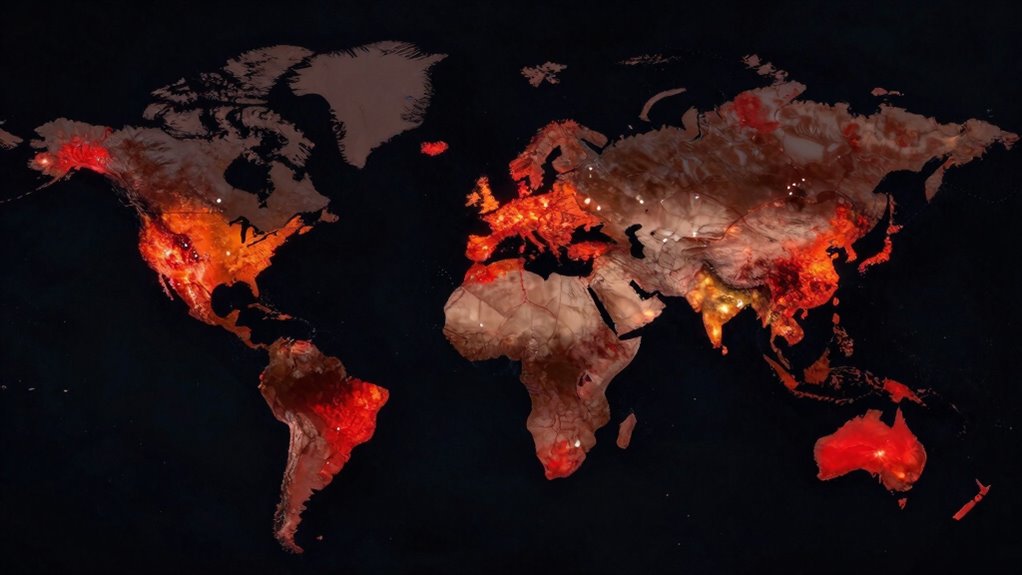

Werewolf legends aren’t limited to Europe—they appear in cultures worldwide, reflecting universal themes of transformation, primal urges, and societal fears. Across Asia, legends often symbolize spiritual change or moral ambiguity. In Africa, stories connect shape-shifting to shamanic rituals. Indigenous American tales feature werewolf-like figures as protectors or tricksters, while Latin American legends warn against hidden natures. Exploring these stories reveals how different societies interpret human nature and fear. Keep exploring to uncover surprising similarities and cultural insights behind these mysterious legends.

Get decor and gifts delivered free — and shop member deals
- Fast, free delivery on millions of items
- Access to Prime Big Deal Days deals on October 6–7
- Prime Video, Amazon Music and more included
Key Takeaways
- Werewolf legends appear in diverse cultures worldwide, reflecting universal themes of transformation, morality, and primal instincts.
- Asian folklore features shape-shifting spirits symbolizing spiritual change and moral ambiguity.
- African stories often connect shape-shifters to shamanic practices and spiritual interconnectedness.
- Indigenous American legends portray werewolf-like figures as protectors or tricksters, emphasizing harmony with nature.
- Latin American myths warn against immoral behavior, illustrating hidden true natures across different societies.
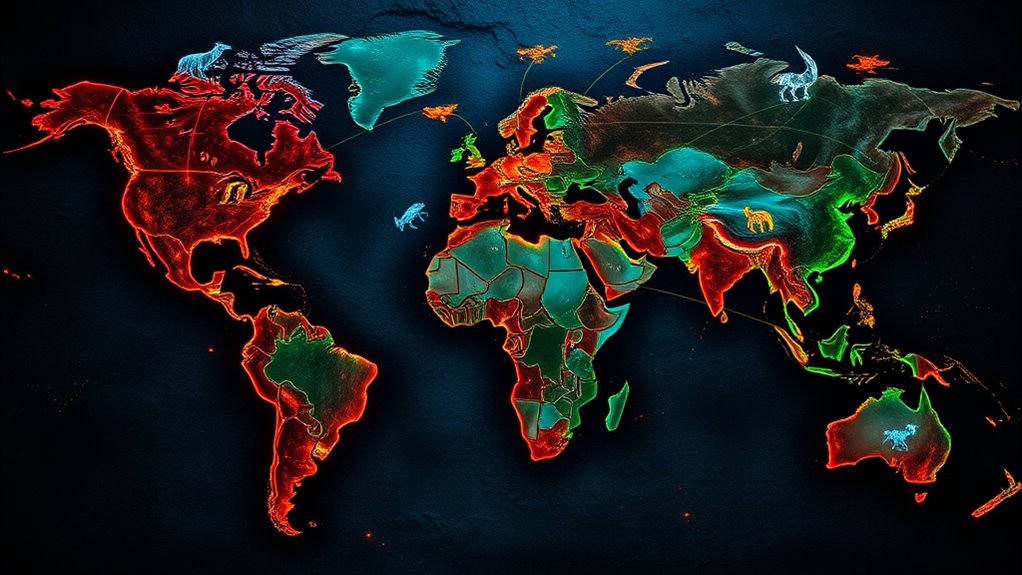
Have you ever wondered why tales of werewolves appear in cultures across the globe? These stories aren’t just random legends; they’re rooted in deep-seated beliefs and shared human anxieties, stretching back centuries. The mythical origins of werewolf tales often originate from attempts to explain unexplainable phenomena, such as sudden aggression or mysterious vanishings. In many cultures, these stories serve as cautionary tales or moral lessons, representing the darker side of human nature. The symbolism associated with werewolves varies greatly, but they commonly symbolize themes of transformation, animalistic urges, and the duality of human identity.
Werewolf tales reveal humanity’s fears, moral lessons, and the universal theme of transformation across cultures worldwide.
In European folklore, especially during the Middle Ages, werewolves became symbols of fear and suspicion. People believed that certain individuals could change into wolves, either as punishment for sins or through curses. These stories reflected societal worries about morality, control, and the unknown. The wolf, in this context, becomes a symbol of primal instinct and chaos, embodying the fears of losing one’s humanity. But outside Europe, similar stories emerged, each with distinct cultural symbolism. In parts of Asia, for example, legends about shape-shifting creatures or humans with animal features serve as allegories for spiritual transformation or moral ambiguity.
Across Africa, some cultures tell tales of shape-shifters or beings that can alter form, often linked to spiritual practices or shamanic rituals. These stories highlight the fluidity between humans and animals, emphasizing a cultural comprehension of interconnectedness with nature. In Indigenous American tales, werewolf-like figures often symbolize protectors or tricksters, embodying complex relationships between humans, animals, and the spiritual realm. These stories reflect a cultural symbolism that values harmony with nature and recognizes the transformative power of spirit guides.
Even in Latin America, legends of lycanthropy carry cultural symbolism linked to social fears and moral lessons. These stories may serve as warnings against excess or immoral conduct, illustrating the idea that one’s true nature can surface under certain conditions. Ultimately, the widespread presence of werewolf stories worldwide reveals a universal human fascination with transformation and the duality of identity. Whether as symbols of primal urges, moral lessons, or spiritual guides, these legends continue to resonate because they speak to common fears and hopes shared across diverse cultures. So, next time you hear a local legend about a shape-shifter or werewolf, remember it’s not just a story—it’s a reflection of humanity’s collective attempt to understand the mysterious depths of human nature.
As an affiliate, we earn on qualifying purchases.
Frequently Asked Questions
Are There Any Modern Sightings of Werewolves Worldwide?
You’ll find modern sightings of werewolves worldwide, often reported as cryptid sightings fueled by folklore comparisons. People claim to see beast-like figures in forests or rural areas, sparking local legends and internet buzz. While these reports are usually anecdotal and lack scientific evidence, they keep the myth alive across different cultures, blending traditional stories with contemporary accounts that paint a fascinating picture of ongoing legends.
How Do Cultural Beliefs Influence Werewolf Legends Globally?
Cultural beliefs deeply shape werewolf legends worldwide by blending cultural symbolism and mythological origins. You’ll find that local stories reflect universal fears and societal values, transforming mythic themes into unique legends. These legends serve as moral lessons or warnings rooted in cultural symbolism, influencing how communities perceive shape-shifting beings. As a result, each culture’s mythological origins create diverse portrayals of werewolves that resonate with their specific traditions and beliefs.
What Are the Common Traits Shared by Werewolf Stories Across Cultures?
Ever wonder what links werewolf stories worldwide? You’ll notice common traits like mythical transformations, where humans turn into beasts, and supernatural fears that reflect societal anxieties. Across cultures, these legends often symbolize a duality of human nature, embodying themes of loss of control and fear of the unknown. These stories reveal shared human concerns, making them timeless symbols of our struggle with primal instincts and supernatural forces.
Do Urban Legends Include Werewolf Sightings or Encounters Today?
Yes, urban legends often include sightings or encounters with mythical creatures like werewolves today. People share stories rooted in folklore traditions, fueling local myths and fears. You might hear of shadowy figures or strange howls in the night, reinforcing the idea that these legendary beings still haunt our imagination. These stories keep the myth alive, blending modern fears with age-old tales of transformation and darkness from diverse cultures worldwide.
How Have Werewolf Legends Influenced Contemporary Popular Culture Worldwide?
You can’t escape the influence of werewolf legends, which have shaped contemporary popular culture worldwide. Mythical symbolism from folklore adaptations is woven into movies, TV shows, and books, giving stories a thrilling edge. These legends serve as a mirror to human fears and desires, making them timeless. Their presence is like a shadow, constantly lurking in our entertainment, highlighting the deep-rooted fascination with transformation and the beast within.
Conclusion
Now, as you explore these stories, you see the universal fear, the shared fascination, the common thread of transformation. You imagine the moonlit nights, the shadows shifting, the whispers of ancient legends echoing across continents. Werewolves aren’t just European myths—they’re global mysteries. With each tale, you feel the pulse of humanity’s deep connection to the wild, the unknown, the beast within. You realize, in every corner of the world, the legend lives on, waiting for you to discover.
Fall Picks
fall essentials
As an affiliate, we earn on qualifying purchases.