
To write simple, clear signs your audience will follow, focus on using concise language with straightforward words and short sentences. Guarantee your message has strong visual hierarchy by highlighting important parts with larger fonts, bolding, or contrasting colors. Keep the layout uncluttered and place key messages at eye level. Use easy-to-read fonts and avoid jargon or decorative styles. Mastering these techniques helps you create signs that communicate rules quickly—continue to explore this for even more effective tips.
Key Takeaways
- Use large, bold fonts for critical messages to ensure visibility and quick recognition.
- Keep wording short, direct, and familiar, avoiding jargon or complex phrases.
- Place important signs at eye level and in high-traffic areas for maximum attention.
- Apply contrasting colors to highlight rules and make signs stand out.
- Maintain a clean, uncluttered layout with ample spacing for easy reading and understanding.
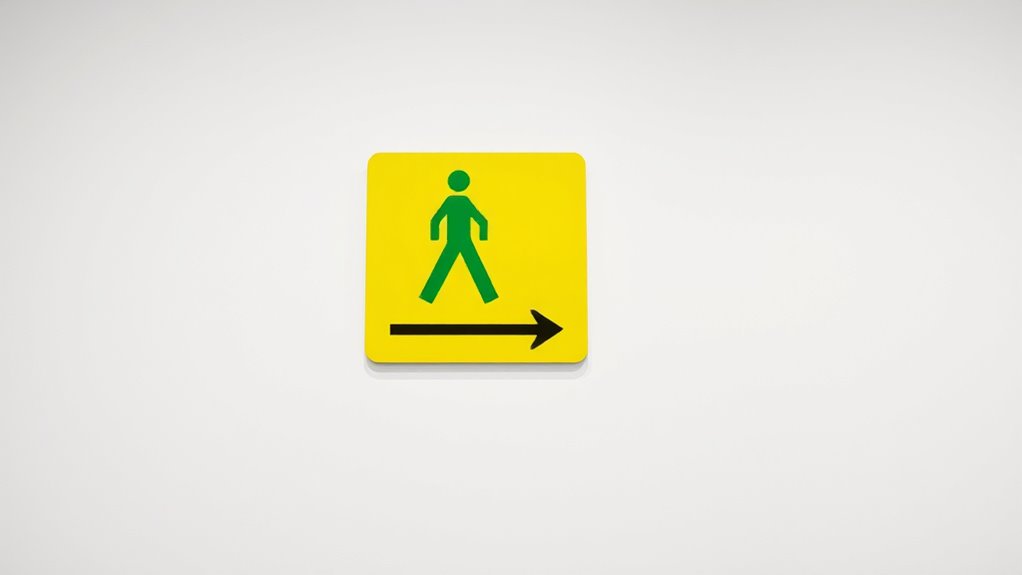
Have you ever been confused by a confusing or unclear sign? It’s frustrating when you’re trying to follow directions or rules, only to find the message muddled by cluttered design or too much text. To guarantee your signs are effective, you need to focus on creating a strong visual hierarchy and using concise wording. Visual hierarchy helps guide the viewer’s eye naturally to the most important information first, making it easier for people to understand and act quickly. By clearly prioritizing elements—such as headlines, icons, and instructions—you help viewers process the message without confusion. For example, use larger, bold fonts for key instructions or warnings, and keep less critical details smaller or less prominent. This way, your sign communicates the right message immediately, reducing hesitation or misinterpretation.
Concise wording is equally essential. People don’t want to spend extra seconds deciphering what your sign says. Keep your language straightforward, simple, and to the point. Use short sentences and familiar words, avoiding jargon or ambiguous phrases. For instance, instead of saying “Please refrain from parking in this designated area,” you might write “No Parking.” Less is more when it comes to clarity. Trim any unnecessary words so the message is direct. Combine visual hierarchy and concise wording to craft signs that are quick to read and easy to understand. When viewers can grasp your message instantly, they are more likely to follow the rules you’re trying to enforce. Additionally, understanding how architectural solutions incorporate signage design can further enhance clarity and user experience.
Think about the layout of your sign as well. Position your most important message at eye level and make it stand out. Use contrasting colors to draw attention to critical parts. For example, a red background with white text for warnings or prohibitions immediately signals importance. The font should be readable from a distance—avoid overly decorative or thin typefaces. Keep the overall design clean, with ample spacing between elements so nothing looks cluttered. Overloading your sign with information or decorative elements distracts from the core message and diminishes its effectiveness. Remember, simplicity is key. Your goal is to communicate quickly and clearly, so people can follow rules without confusion or delay.

Liquid Erasable Chalk Markers Pens – 12 Colors Washable & Wet Erase Neon Makers for Blackboard, Chalkboard Signs, Glass Window, Graduation Celebration School Kids Art for Cars
HIGH QUALITY LIQULD MAKERS: Are you looking for unusual chalks markers that glide well and easier to use?…
As an affiliate, we earn on qualifying purchases.
As an affiliate, we earn on qualifying purchases.
Frequently Asked Questions
How Do I Choose the Right Sign Font?
You should choose a font that’s highly readable, especially from a distance, so your message is clear. Opt for simple, clean fonts like Arial or Helvetica, avoiding overly decorative styles. Make certain your font size choices are large enough to be seen easily, with key information in bigger text. Test your signs to ensure readability, and remember, clear fonts help people quickly understand and follow your rules.
What Colors Are Most Effective for Signs?
The most effective colors for signs depend on color psychology and visual contrast. Bright, bold colors like red and yellow grab attention and evoke urgency or positivity. Use contrasting colors—like black on yellow or white on dark backgrounds—to guarantee readability from a distance. Avoid cluttered color schemes; instead, select high-contrast combinations that make your message stand out and are easy to see, even in busy environments.
How Can I Make Signs Stand Out?
Imagine your sign as a beacon shining through a crowded space. To make it stand out, focus on visual hierarchy—you want the most important message to catch the eye first. Place your sign strategically where it’s impossible to miss, like eye level or along a main path. Use bold fonts and contrasting colors to draw attention, ensuring your message commands notice amid the bustle.
Should Signs Include Illustrations or Icons?
Yes, including illustrations or icons helps your signs stand out. They enhance visual hierarchy, making the message clearer at a glance. Use larger font sizes for key points and simple icons to reinforce the message without clutter. This combination guides viewers’ attention quickly, ensuring they understand your instructions effortlessly. Well-placed visuals and strategic font size choices create an effective sign that captures attention and communicates rules effectively.
How Often Should I Update My Signs?
You should update your signs whenever you notice signs are outdated, damaged, or no longer effective. Regular sign maintenance guarantees they stay clear and visible, which keeps your message relevant. Check your sign placement periodically to make sure they’re in the right spots and easy to see. Updating signs often helps prevent confusion, maintains safety, and reinforces rules, making sure your display continues to serve its purpose effectively.
Personalized Acrylic Logo Sign – Clear Business Plaque, Professional Office Wall Decor, Custom Acrylic Wall Plaque with Company Logo, Office Wall Sign
FULLY CUSTOMIZED PRODUCT – The customization options for our personalized signs are endless! You have the flexibility to…
As an affiliate, we earn on qualifying purchases.
As an affiliate, we earn on qualifying purchases.
Conclusion
Clear signs make it easier for people to follow rules and stay safe. Did you know that 60% of accidents happen because signs are confusing or ignored? By keeping your signs simple and easy to understand, you reduce misunderstandings and promote better behavior. Remember, a well-designed sign can prevent accidents and keep everyone informed. So, take a few extra minutes to craft clear, concise signs—you’ll see the difference in how smoothly things run.

Step2 Kid Alert Street Safety Sign, Kids at Play Signage for Neighborhood Safety, 32-Inch Tall Reflective Caution Sign with Warning Flag
Vibrant Neon Body and reflector belt are easily visible during twilight hours. The large SLOW sticker reminds drivers…
As an affiliate, we earn on qualifying purchases.
As an affiliate, we earn on qualifying purchases.
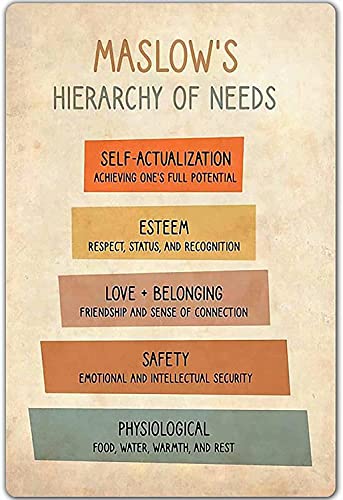
Knowledge Metal Poster Maslow'S Hierarchy Of Needs Tin Signage Bar Cafe Living Room Bathroom Kitchen Garage Home Art Wall Decoration 8inch X 12inch
Funny tin sign-maslow is hierarchy of needs, I hope you like it.
As an affiliate, we earn on qualifying purchases.
As an affiliate, we earn on qualifying purchases.