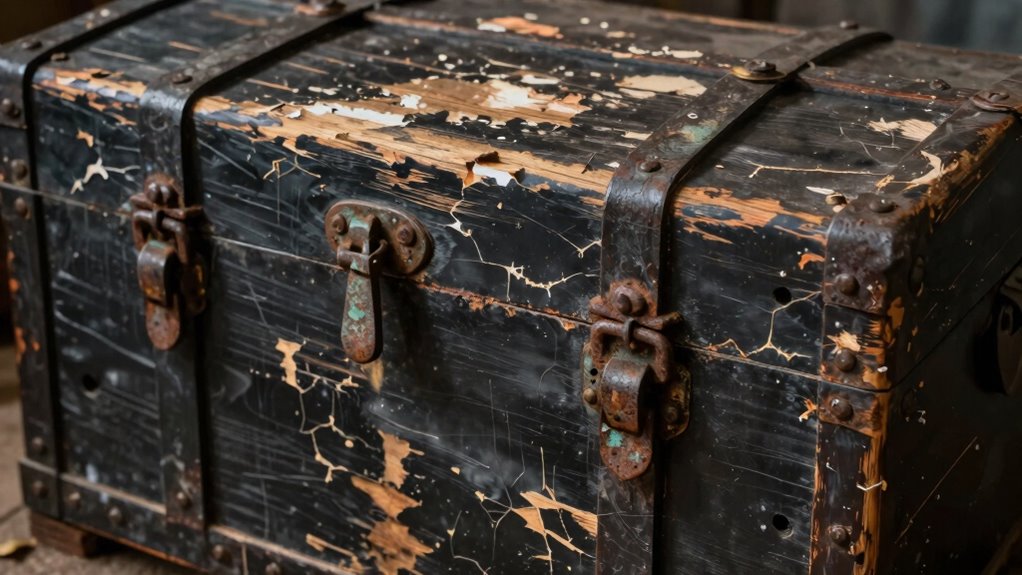

To make new props look 100 years old, start by choosing neutral or muted paint colors and distressing edges, corners, and high-contact areas with sandpaper or steel wool to create natural wear. Apply stains to enhance patina and blend the distressed spots seamlessly. Layer paints and finishes, then gently sand between coats for authentic aging effects. Practicing these techniques will help you craft convincing vintage pieces—keep exploring for more expert tips and tricks.
Open a free Amazon Business account
Business pricing, bulk buying and tax-exempt orders.
As an affiliate, we earn on qualifying purchases.
Key Takeaways
- Use distressed techniques like sanding edges and corners to reveal underlying layers or wood for authentic wear.
- Apply dark or semi-transparent stain to distressed areas to simulate age and patina.
- Layer multiple coats of paint and distress between layers to mimic years of chipping and fading.
- Focus on natural contact points, edges, and high-traffic areas for realistic aging effects.
- Practice on scrap materials first to refine your technique and ensure a seamless, aged appearance.
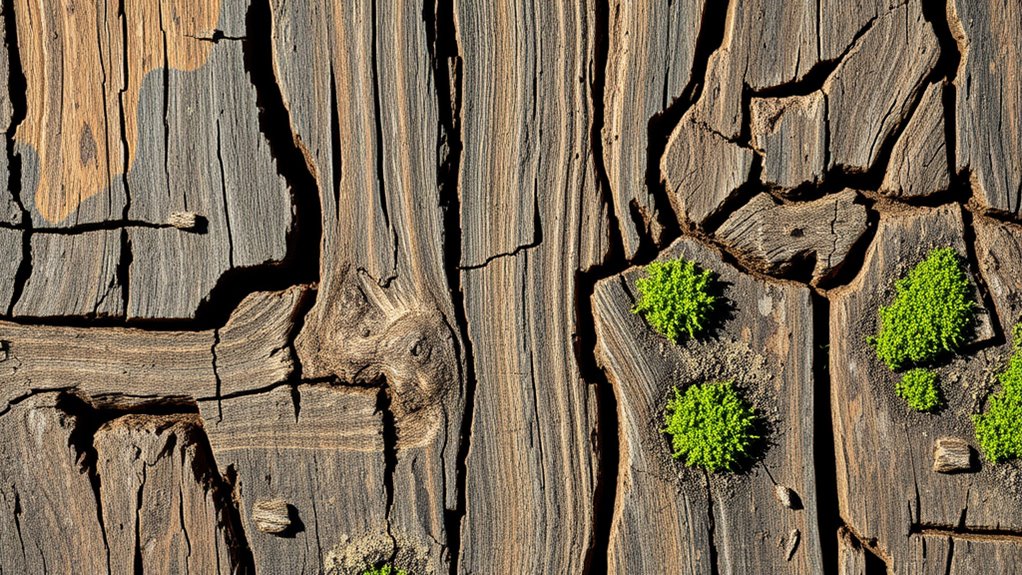
Ever wondered how to give your furniture or projects an authentic, aged look without spending a fortune? The good news is that with a few simple techniques, you can transform new pieces into vintage treasures that look like they’ve stood the test of time. One of the most effective methods is paint distressing combined with stain application, which allows you to create natural-looking wear and patina. You don’t need to be an expert artist—just a little patience and the right tools will do the trick.
Start by choosing your base paint color, ideally something neutral or muted to mimic age. Once you’ve painted your piece and let it dry thoroughly, it’s time to distress the surface. Using sandpaper, a sanding block, or even steel wool, gently rub areas where natural wear would occur—edges, corners, and raised surfaces. This process reveals the underlying wood or previous layers of paint, giving the impression that the piece has been handled over decades. The key is to focus on areas that would naturally experience more contact, so your piece looks genuinely aged rather than artificially distressed.
After distressing, you’ll want to apply stain to deepen the weathered look. Stain application is essential in creating that rich, aged patina. Use a cloth or brush to apply a dark or semi-transparent stain, working it into the distressed areas and into the grain of the wood. Wipe off excess stain with a clean cloth to prevent pooling, and let it sit for a few minutes to achieve the desired depth. The stain not only enhances the aged appearance but also helps unify the distressed spots with the rest of the piece, making the aging look seamless and natural.
To add more authentic character, consider layering techniques—apply a second coat of paint or stain, then distress again. Sometimes, a light dry brushing of a different color over the surface can simulate years of paint buildup and chipping. Remember, the goal is to mimic natural wear, so take your time and step back periodically to assess your progress. Always test your distressing and staining methods on scrap pieces first, ensuring you’re happy with the effect before working on your main project.
With patience and practice, paint distressing and stain application become powerful tools in your DIY aging kit. These techniques help you craft furniture and props that look like they’ve been through a century of use, all without breaking the bank. The result will be pieces full of character and history—perfect for creating a vintage, rustic, or shabby chic aesthetic that’s truly your own.

Jeans Distressing Tools, Denim Distressing Tool Stainless Steel Grater Leathercraft Accessories with Handle DIY Denim Scraper Tool Silver
- Versatile for All Fabrics: Suitable for jeans, denim, and other fabrics
- User-Friendly Design: Easy to polish or cut for distressed look
- Durable Construction: Made of long-lasting stainless steel
As an affiliate, we earn on qualifying purchases.
As an affiliate, we earn on qualifying purchases.
Frequently Asked Questions
Can I Use Household Items for Aging Props Effectively?
Yes, you can use household alternatives for aging props effectively without chemicals. Items like coffee, tea, or diluted paint create authentic stains and weathered textures. You might also use dirt or baking soda for natural aging effects. These methods allow you to achieve aging without chemicals, making your props look convincingly old. Just apply these household techniques carefully, and you’ll get realistic results that add character and authenticity to your project.
How Long Does Each Aging Method Typically Last?
Your aging methods can last anywhere from weeks to years, depending on patina development and weathering durability. If you use simple techniques like vinegar or paint washes, expect them to fade or chip within a few months. For more durable effects, sealants and weatherproofing can extend the look for years. Keep in mind, the more authentic and layered your process, the longer your aged props will convincingly stand the test of time.
Are There Any Safety Precautions for Using Chemicals?
Yes, there are safety precautions you should follow when using chemicals. Always prioritize chemical safety by wearing protective gear such as gloves, goggles, and a mask to prevent skin and eye irritation or inhalation of fumes. Work in a well-ventilated area, follow the manufacturer’s instructions carefully, and store chemicals safely out of reach of children or pets. Taking these steps helps guarantee your safety during aging projects.
Can These Techniques Be Reversed or Removed Easily?
Yes, these techniques can be reversible or removed with some effort. If you’ve used chemicals for aging, you can often perform chemical removal or apply a gentle solvent to reverse the effect. Reversible aging allows you to experiment without permanent damage, so you can redo or adjust the look as needed. Just make sure to test any removal method on a small area first to avoid unintended damage.
What Are the Best Materials for Creating Realistic Textures?
You should use materials like plaster, latex, and tissue paper for realistic textures, as they easily mimic aged surfaces. Incorporate texturing techniques such as stippling, dry brushing, and adding cracks to enhance authenticity. When selecting materials, prioritize flexibility and durability to replicate weathered effects convincingly. Proper material selection guarantees your props look convincingly aged, and mastering texturing techniques makes the surface appear naturally worn and historic.
Conclusion
Now that you know how to craft convincing aged props, you’re well on your way to transforming fresh materials into timeless pieces. With patience and a bit of elbow grease, you can turn the new into the old and impress everyone with your skills. Remember, Rome wasn’t built in a day, so don’t rush the process. Keep experimenting, stay persistent, and soon your creations will look like they’ve seen a hundred years’ worth of stories.
Grilling season Picks
grills
As an affiliate, we earn on qualifying purchases.