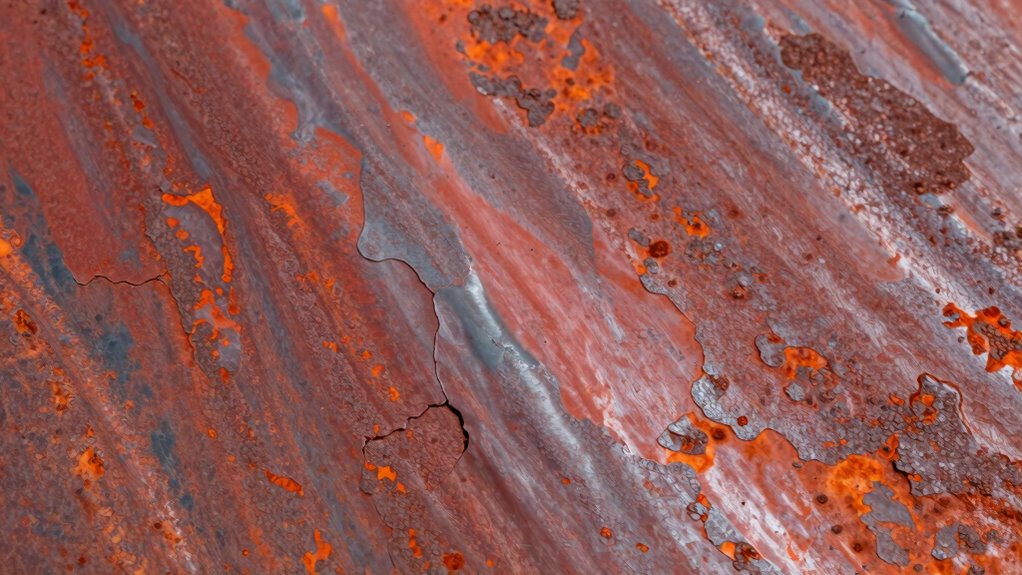

To make plastic look like rusted iron, start by cleaning the surface thoroughly. Apply a base coat of dark metallic paint, then add textured layers using sponges or crumpled foil to create uneven, weathered effects. Incorporate rust hues with reddish-browns and greens, layering them to mimic corrosion. Seal with a matte topcoat for durability and realism. Keep experimenting with textures and shades to achieve authentic rusted iron, and you’ll uncover more techniques as you go.
Listen free for 30 days with Audible
Thousands of audiobooks and originals — cancel anytime.
As an affiliate, we earn on qualifying purchases.
Key Takeaways
- Clean and sand the plastic surface thoroughly to ensure proper paint adhesion.
- Apply a dark base coat of metal paint, such as deep brown or black, for a rusted iron foundation.
- Use textured tools like sponges or crumpled foil to create uneven, weathered surface effects.
- Layer reddish-brown, orange, and greenish patina paints with stippling or dry brushing for rust and corrosion.
- Seal with a matte or semi-gloss topcoat to enhance realism and protect the faux rusted iron finish.
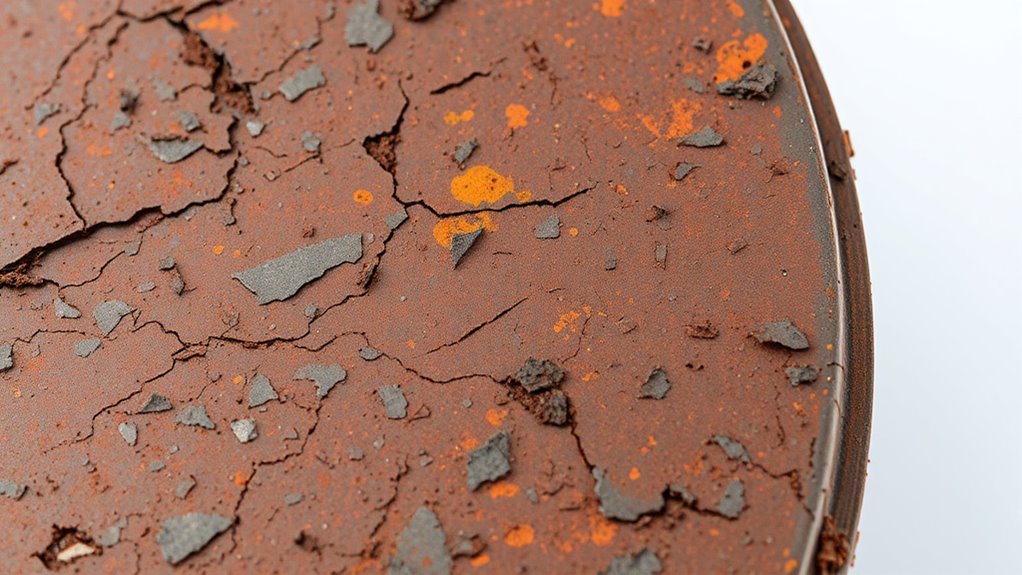
Ever wondered how to create the sleek, industrial look of metal without the hefty price tag? The secret lies in mastering a few simple techniques with metal paint and texture techniques that transform ordinary surfaces into stunning faux metal finishes. You don’t need a workshop full of expensive tools—just a steady hand, patience, and the right materials. When you choose your metal paint, look for options specifically designed for DIY projects, as these often come with built-in adhesion qualities and finishes that mimic real metal’s sheen and depth. The key to achieving a convincing faux metal look is in applying texture techniques that add dimension and realism to your project.
Start by preparing your surface thoroughly, cleaning it to remove dust, grease, or any residue. A smooth surface might look shiny at first, but it won’t give you the authentic metallic feel you’re after. To introduce texture, you can use sponges, brushes, or even crumpled aluminum foil to create subtle patterns and grooves. These texture techniques help simulate the uneven surface of rusted iron or weathered steel, making your faux metal more convincing. Once you’re satisfied with the texture, apply a base coat of metal paint that closely resembles the color of your desired metal. For rusted iron, deep browns and reddish hues work well as a foundation. Use a brush or roller to ensure even coverage, but don’t worry about perfect lines; imperfections add to the authenticity.
Properly prepare surfaces with cleaning and textured techniques for authentic faux metal finishes.
After the base coat dries, it’s time for the layering process. Use a dry brush or rag to lightly dab on additional layers of paint in different shades—think dark greys, blacks, or even greens for a patina effect. This layering mimics the natural variations found in real metal, especially rusted or aged surfaces. Texture techniques like stippling or dragging a stiff brush across the surface can create the appearance of corrosion and wear. To finish the look, seal everything with a clear matte or semi-gloss topcoat. This not only protects your faux metal but also enhances the texture and depth, giving it a realistic sheen.
Achieving a truly authentic metallic look also involves understanding how contrast ratio impacts the perception of depth and realism in your faux metal surfaces, making your project appear more convincing and professionally finished. With these simple steps, you can create a stunning faux metal surface that looks like it’s been weathered by years of exposure—all without breaking the bank. Focus on using quality metal paint and experimenting with texture techniques, and your project will transform ordinary objects into industrial masterpieces. Whether you’re refurbishing furniture or crafting decorative accents, mastering these techniques will help you achieve a professional, authentic metal look that’s sure to impress.
metallic spray paint for faux metal finishes
As an affiliate, we earn on qualifying purchases.
As an affiliate, we earn on qualifying purchases.
Frequently Asked Questions
How Long Does the Faux Rust Finish Last?
The faux rust finish typically lasts several years, depending on weather durability and exposure. To keep it looking fresh, you should clean it regularly with gentle soap and water, avoiding harsh chemicals that could damage the finish. If it’s outdoors, consider applying a protective sealant every couple of years to extend its lifespan. Proper maintenance helps guarantee your faux rust remains vibrant and durable over time.
Can I Use This Technique on Outdoor Projects?
Absolutely, you can use this technique on outdoor projects, but think of it as giving your creation a weather-resistant armor. To guarantee durability, consider material compatibility and apply a clear sealant for added weather resistance. This protective layer shields your faux rust finish from rain, sun, and wind, helping it stay vibrant and realistic over time. With proper preparation, your outdoor masterpiece will age gracefully, mimicking authentic rusted iron.
What Safety Precautions Should I Take?
You should wear safety gear like gloves, goggles, and a mask to protect yourself from fumes and chemicals. Guarantee proper ventilation precautions by working outdoors or in a well-ventilated area to avoid inhaling toxic fumes. Always read and follow the manufacturer’s instructions for the products you’re using. Keep a fire extinguisher nearby, and work slowly to prevent accidents. Taking these safety steps helps you stay safe during your project.
Is This Method Suitable for All Plastic Types?
While this technique adds a striking finish, it’s not universally suitable for all plastics. You should consider plastic compatibility to verify the paint and rust effects adhere well without damage. Keep in mind, the finish durability can vary depending on the plastic type and application. Test a small area first, and if it responds well, you can confidently proceed, knowing your faux metal will look authentic and last over time.
How Can I Fix Mistakes or Touch up the Finish?
To fix mistakes or touch up the finish, start by gently sanding the area to smooth out any imperfections. Use a small brush with matching paint or faux metal finish for precise mistake correction. If the finish is damaged, apply a thin layer of touch-up paint, blending carefully to match the surrounding area. Allow it to dry completely before gently buffing to blend the new with the old for seamless touch-up techniques.
Conclusion
Don’t worry if it sounds complicated—you can easily transform plastic into stunning faux rust with just a few simple steps. No need to buy expensive metal or special tools; your creative side is all you need! Plus, this DIY project is perfect for adding that industrial touch to your home decor without breaking the bank. So go ahead, try it out and enjoy the satisfaction of turning ordinary plastic into eye-catching faux metal!
Labor Day sales Picks
labor day deals
As an affiliate, we earn on qualifying purchases.