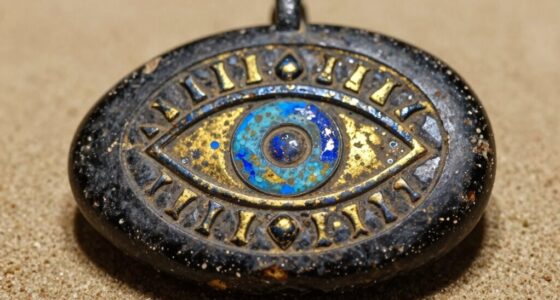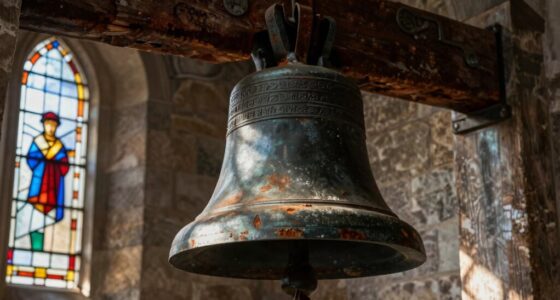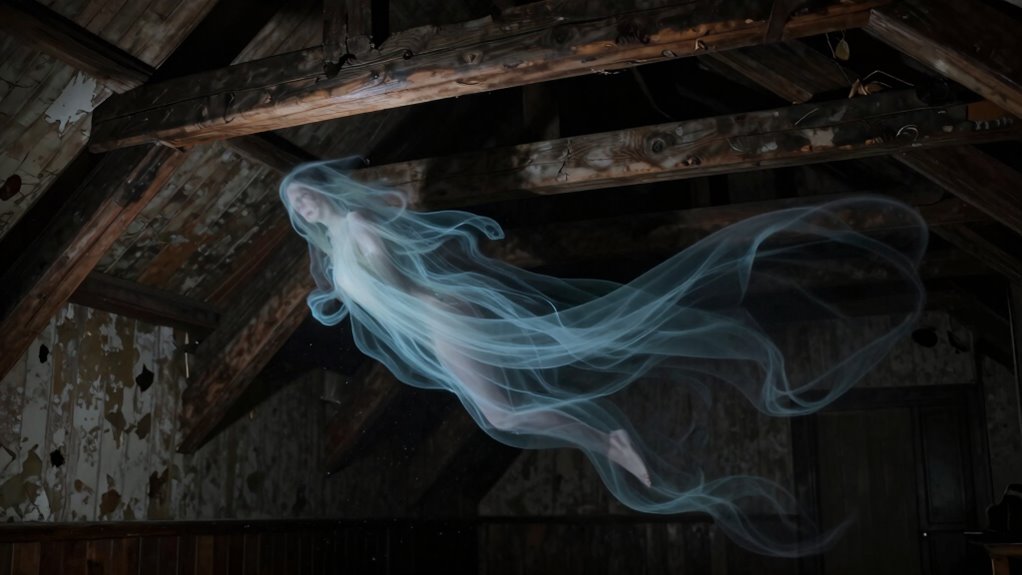

Poltergeists in folklore aren’t just spooky phenomena—they symbolize deeper human fears, unresolved conflicts, and societal anxieties. Across cultures, they’ve represented guilt, justice, or warnings from spirits, reflecting values and traumas. These supernatural disturbances act as mirrors of collective psyche, revealing what societies find hard to face. If you look closer, you’ll discover how these restless spirits embody more than mischief—they’re clues to understanding human psychology and cultural history. Keep exploring to uncover their hidden significance.
Listen free for 30 days with Audible
Thousands of audiobooks and originals — cancel anytime.
As an affiliate, we earn on qualifying purchases.
Key Takeaways
- Poltergeists often symbolize unresolved conflicts, societal fears, or collective trauma reflected through their disruptive activities.
- Cultural interpretations influence whether poltergeists are seen as malicious spirits, playful entities, or messages from ancestors.
- Folklore transforms unexplained disturbances into meaningful symbols of emotional, psychological, or societal issues.
- Poltergeists serve as external manifestations of inner fears, guilt, or unresolved issues within communities.
- Their symbolism reveals deeper societal beliefs about unseen forces, justice, and the mysteries beyond human understanding.
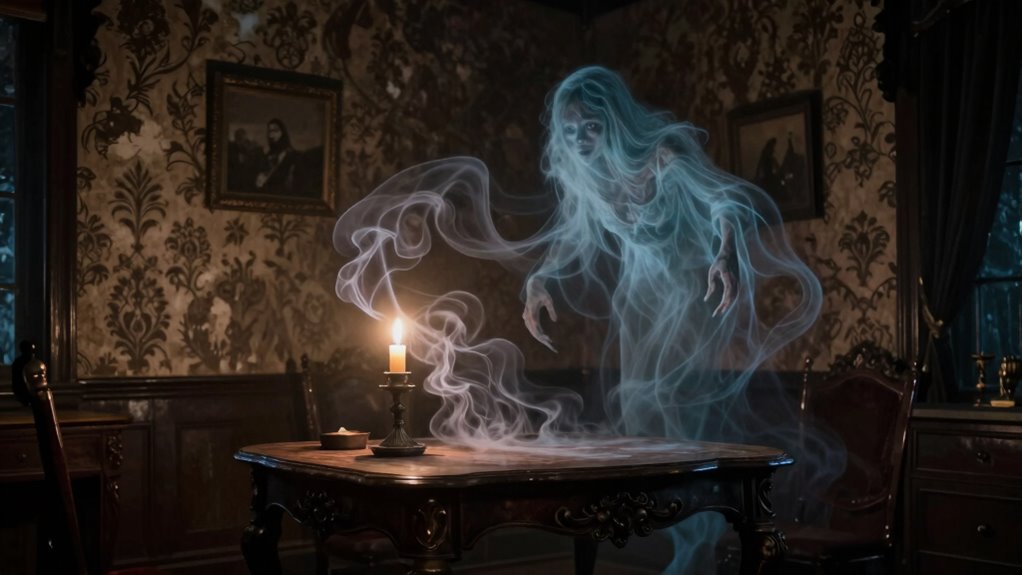
Poltergeists have long fascinated people around the world, often stirring fear and curiosity with their mischievous and sometimes frightening activities. These mysterious phenomena aren’t just modern legends; their roots stretch deep into history, with ancient origins that reveal much about human fears and beliefs. Throughout different cultures, poltergeists take on various forms and meanings, reflecting diverse perspectives on spirits, the supernatural, and the unseen forces that influence our lives.
Poltergeists echo humanity’s fears and beliefs, shaping cultural stories about spirits, the supernatural, and unseen forces across history.
In many ancient societies, reports of restless spirits causing disturbances date back thousands of years. For example, in ancient China, similar supernatural entities called “hungry ghosts” were believed to haunt the living, causing chaos and misfortune. In European folklore, poltergeist activity was often linked to spirits of the dead, especially those who had unresolved conflicts or were improperly buried. These stories served not only as cautionary tales but also as explanations for unexplained physical phenomena like loud noises, moving objects, and sudden cold spots. The common thread is that these entities symbolized unresolved issues, guilt, or societal fears, giving a deeper meaning to their seemingly mischievous activities.
Cultural variations play a significant role in shaping how poltergeists are perceived and interpreted. In Japan, for instance, poltergeist-like phenomena are often associated with vengeful spirits or yūrei, which are believed to be the souls of those who suffered injustice or violent deaths. These spirits are thought to cause disturbances as a way of seeking justice or release. Conversely, in Latin American folklore, “espíritus traviesos” or mischievous spirits are seen as playful rather than malicious, often causing minor disturbances to remind the living of their presence or to deliver moral lessons. Across Africa, some traditions interpret poltergeist activity as a sign of ancestral spirits trying to communicate or warn the living about impending dangers. These variations highlight how cultural context shapes the interpretation of poltergeists, transforming them from mere disturbances into meaningful symbols of societal values and unresolved issues.
Ultimately, the secret meaning behind poltergeists in folklore is complex. They serve as mirrors of human fears, unresolved conflicts, and cultural beliefs. Whether considered malevolent spirits, restless souls, or playful tricksters, they embody the unknown and remind us of the mysteries that lie beyond our understanding. By exploring the ancient origins and cultural differences, you begin to see these phenomena not just as frightening stories but as reflections of deeper psychological and societal truths. Recognizing the cultural interpretation of these spirits allows us to better understand how societies process trauma and collective fears through folklore. Additionally, understanding the historical context of these legends can help demystify their origins and significance across different eras and societies. This broader perspective can also be informed by the study of ancient supernatural concepts, which sheds light on how early civilizations understood and explained unseen forces, emphasizing the importance of belief systems in shaping these narratives.
As an affiliate, we earn on qualifying purchases.
Frequently Asked Questions
Are Poltergeists Linked to Specific Historical Events or Locations?
You might notice that poltergeists are often linked to specific historical hauntings or locations, reflecting cultural symbolism and unresolved tensions from the past. These events, rooted in history, seem to trigger poltergeist activity, making them more than just supernatural phenomena—they symbolize lingering emotional or cultural unrest. Recognizing these connections helps you understand how history and symbolism intertwine, giving deeper insight into why certain sites are believed to be haunted by these restless spirits.
Can Poltergeists Be Intentionally Summoned or Controlled?
Yes, you can attempt supernatural control through intentional summoning, but it’s highly risky. Many believe that summoning poltergeists intentionally opens doors to unpredictable and dangerous forces. If you try, you might lose control, risking severe disturbances or harm. It’s best to avoid such actions, as poltergeists tend to act autonomously, and attempting to control them can backfire, leading to unforeseen and potentially harmful consequences.
What Are the Psychological Explanations for Poltergeist Activity?
Psychological explanations suggest that poltergeist activity often results from mass hysteria or psychological projection. You might experience unexplained disturbances because your subconscious is unconsciously expressing repressed emotions or stress. When a group shares intense feelings, collective hysteria can cause physical phenomena. Similarly, individuals may project their inner turmoil outward, leading to seemingly paranormal activity, even though it’s rooted in psychological rather than supernatural factors.
Do Poltergeists Exist in Cultures Outside Western Folklore?
You might think poltergeists are just a Western folklore idea, but cultural variations show they’re believed in worldwide. In Asia, spirits or restless ancestors are thought to cause similar disturbances, while African cultures attribute these phenomena to supernatural beliefs in spirits influencing the living. These beliefs reveal how different societies interpret unexplained events, blending cultural traditions with supernatural explanations that persist across diverse cultures, demonstrating poltergeists’ universal presence beyond Western folklore.
How Do Modern Investigations Differentiate Between Hoaxes and Real Poltergeist Activity?
Modern investigations differentiate hoaxes from real poltergeist activity by analyzing electronic disturbances during reports. Paranormal skeptics often scrutinize claims for signs of manipulation, such as staged objects or false alarms. They use scientific tools like thermal cameras and electromagnetic field meters to detect anomalies. If disturbances align with natural causes or are easily replicated, investigators dismiss them as hoaxes. Genuine cases typically show unexplained phenomena resistant to logical explanations, raising questions about the paranormal.
Conclusion
Now that you understand the rich folklore behind poltergeists, it’s fascinating to see how these stories reflect our fears and beliefs. Did you know that nearly 60% of people worldwide believe in some form of supernatural activity? Whether as cautionary tales or explanations for unexplained events, poltergeists remain a compelling part of human culture. Keep exploring these mysteries, and you might just uncover even more intriguing stories lurking in history and legend.
College move-in / dorm season Picks
dorm essentials
As an affiliate, we earn on qualifying purchases.