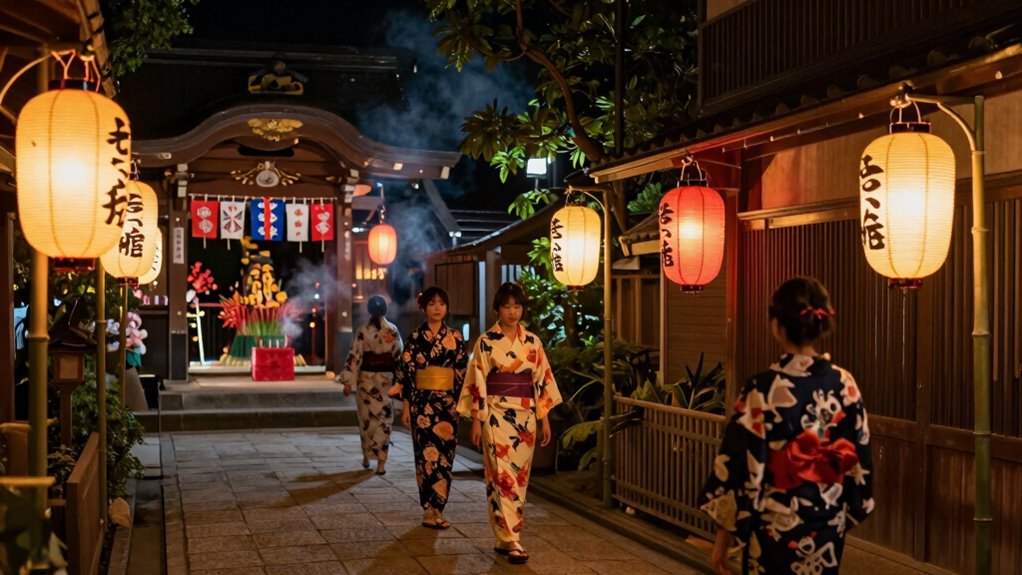

Obon is a traditional Japanese festival where you honor and celebrate the spirits of ancestors. During this time, families gather to perform rituals like offering food, lighting lanterns, and visiting graves to show respect and keep loved ones connected. You might see festivals with colorful dances, called Bon Odori, where everyone joins in. If you want to understand how this meaningful celebration blends reverence with festivity, keep exploring more about its customs and significance.

Get decor and gifts delivered free — and shop member deals
- Fast, free delivery on millions of items
- Access to Prime Big Deal Days deals on October 6–7
- Prime Video, Amazon Music and more included
Key Takeaways
- Obon is a Japanese festival honoring and welcoming spirits of ancestors who have passed away.
- It features traditional dances, lantern festivals, and family visits to graves and altars.
- Participants wear yukata and perform Bon Odori to celebrate the cycle of life and death.
- Offerings like food, flowers, and incense are made to show respect and guide spirits.
- The festival strengthens cultural heritage by blending festivity, reverence, and connection with nature.
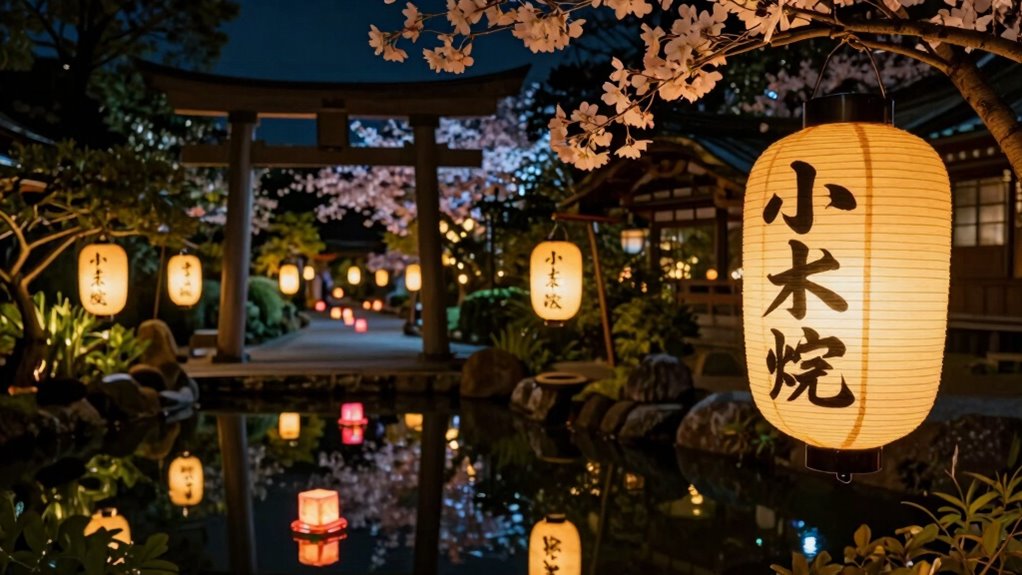
Have you ever wondered why families gather in Japan during summer to honor their ancestors? It’s because of Obon, a deeply rooted tradition that celebrates and welcomes the spirits of loved ones who have passed away. During this time, families come together to perform rituals that show respect and gratitude, ensuring the spirits feel honored and stay connected with the living. You’ll often see bustling festivals, glowing lanterns, and heartfelt ceremonies that bring communities closer.
One of the most striking aspects of Obon is the traditional dance called Bon Odori. This lively dance is performed to welcome the spirits back home and to send them off again at the end of the festival. As you watch, you’ll notice people dressed in yukata (summer kimonos), moving in synchronized patterns around a yagura stage—an elevated platform often decorated with lanterns. The dance is simple enough for everyone to join, fostering a sense of unity and shared purpose. It’s not just entertainment; it’s a ritual that symbolizes the cycle of life, death, and remembrance. The rhythmic movements and cheerful music create a festive atmosphere that contrasts with the solemnity of honoring ancestors, blending celebration with reverence.
Another key element of Obon is making ancestral offerings. Families prepare altars at home or visit graves to place food, flowers, incense, and personal items that belonged to the departed. These offerings are believed to nourish the spirits during their stay and demonstrate ongoing respect. You might see families cleaning gravesites meticulously, ensuring everything is pristine for the spirits’ return. Incense burning is common, as the fragrant smoke is thought to guide and purify the spirits’ journey. These offerings serve as a tangible connection between the living and the dead, reinforcing the bond that persists beyond death. The act of presenting these offerings is a heartfelt gesture, showing that even in death, loved ones remain an integral part of family life. Additionally, the use of biodiversity in maintaining traditional landscapes and sacred sites helps preserve the natural environment that is often integral to the spiritual practices observed during Obon. Preserving natural environments strengthens the harmony of nature and tradition, highlighting the importance of sacred sites in fostering spiritual connection and cultural continuity. Moreover, protecting these sites supports the ongoing preservation of cultural heritage, which is vital for future generations to understand and respect their history.
As an affiliate, we earn on qualifying purchases.
Frequently Asked Questions
How Long Does the Obon Festival Typically Last?
The Obon festival typically lasts for three days, though dates can vary by region. Its historical origins trace back centuries, rooted in Buddhist traditions to honor ancestors. Today, modern adaptations include colorful lantern festivals and dance performances, blending tradition with contemporary culture. As you participate, you’ll notice how communities celebrate and remember loved ones, keeping the spirit of Obon alive while embracing modern festivities.
Are There Regional Differences in Obon Celebrations Across Japan?
You’ll notice regional customs and local variations shape Obon celebrations across Japan. About 60% of regions observe different dates or traditions, making each celebration unique. In some areas, lantern festivals light up the night, while others focus on visiting family graves or holding traditional dances called Bon Odori. These regional differences reflect local culture and history, giving each community a special way to honor visiting spirits during this meaningful festival.
What Are Traditional Foods Eaten During Obon?
During Obon, you’ll find traditional foods like sweet potatoes and seasonal vegetables, enjoyed alongside festive activities like the Obon dance. Lantern floating is popular, symbolizing guiding spirits home. As you participate, you might also taste special mochi, rice dumplings, and enjoy festive treats. These foods and customs enhance the spiritual atmosphere, creating a meaningful connection during this time of honoring ancestors.
Can Tourists Participate in Obon Festivities?
Yes, tourists can participate in Obon festivities, embracing cultural immersion and enhancing their travel experience. Many events, like lantern lighting and dance performances, welcome visitors, allowing you to join in traditional rituals. Be respectful of local customs, follow guides, and ask for permission when participating in ceremonies. Engaging actively not only deepens your understanding of Japanese culture but also creates meaningful memories during this spiritual celebration.
How Do Families Prepare Homes for Visiting Spirits?
Preparing for visiting spirits is like getting your home ready for a special guest. You set up a home altar, often with photos and offerings, to honor your ancestors. Families also light lanterns to guide spirits back and create a warm, welcoming atmosphere. You might clean the house thoroughly, decorate with flowers, and place incense on the altar, ensuring everything feels respectful and inviting for the spirits’ return during Obon.
Conclusion
As you now understand, Obon is more than just a festival—it’s a heartfelt bridge connecting you to generations past, a dance of remembrance that keeps spirits alive in your heart. Just as a river flows endlessly to meet the sea, this tradition flows through time, reminding you that honoring loved ones is an eternal journey. Embrace Obon’s spirit, and let it be a lantern guiding your way back to those who shaped your path.
Fall Picks
fall essentials
As an affiliate, we earn on qualifying purchases.