
TL;DR

Get decor and gifts delivered free with Prime
- Fast, free delivery on millions of items
- Prime Video, Amazon Music and more included
- Member-only deals all year
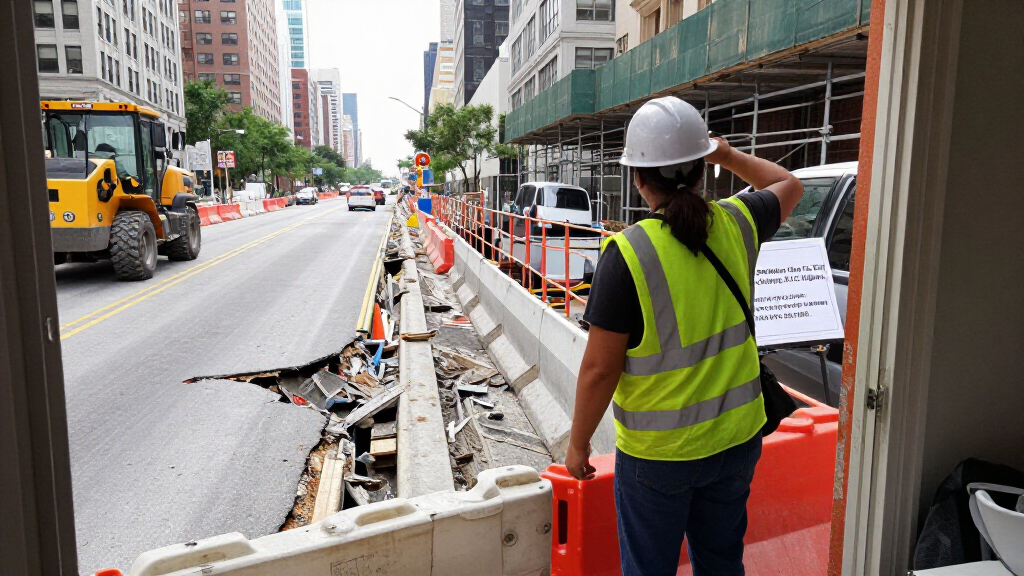
New York City has announced a $4 billion plan to repair a severely deteriorated section of the Brooklyn-Queens Expressway. The project aims to address safety concerns and prevent further infrastructure decay, marking a major investment in city highways.
The New York City Department of Transportation (NYC DOT) announced a $4 billion plan to repair a critically deteriorated section of the Brooklyn-Queens Expressway (BQE). The project aims to improve safety, extend the highway’s lifespan, and prevent potential collapses that could disrupt city traffic. This marks one of the largest infrastructure investments in recent city history and reflects ongoing efforts to modernize aging transportation networks.
The plan focuses on a 1.5-mile stretch of the BQE, specifically the section over the Pulaski Bridge, which has experienced significant structural issues over decades. Officials confirmed that the project will include replacing deteriorated concrete, reinforcing support structures, and updating drainage systems to prevent future damage. The city’s transportation department stated that the project is scheduled to begin in late 2024, with completion targeted for 2030.
Funding for the project will come from a combination of city, state, and federal sources, including recent federal infrastructure grants. Mayor Eric Adams emphasized the importance of the repair, citing safety concerns and the need to support economic activity in Brooklyn and Queens. The project will involve lane closures and traffic rerouting during construction phases but aims to minimize overall disruption.
Construction will be phased over multiple years, with some preliminary work starting as early as mid-2024. City officials have assured residents that they will provide regular updates and traffic management plans to mitigate inconvenience during the extensive repair process.
Why the Repair Is a Critical Investment for NYC Infrastructure
This $4 billion project is significant because it addresses a part of the city’s aging highway infrastructure that has been identified as a safety risk. The deterioration of the BQE’s structure has raised concerns about potential collapses, which could have catastrophic consequences for commuters and city operations. The repair reflects a broader recognition of the need to modernize and maintain critical transportation arteries to support economic activity and ensure public safety.
Furthermore, the project signals a substantial financial commitment by city and federal authorities to long-term infrastructure resilience. It also highlights the challenges cities face in maintaining aging infrastructure while managing ongoing traffic demands and urban growth.
As an affiliate, we earn on qualifying purchases.
Background on the BQE and Past Infrastructure Challenges
The Brooklyn-Queens Expressway, built in the 1930s and 1940s, has long been a vital transportation corridor connecting Brooklyn and Queens. Over the decades, parts of the highway have experienced increasing deterioration, with the Pulaski Bridge section identified as especially vulnerable. Structural assessments over recent years have raised alarms about the potential for collapse if repairs are not undertaken promptly.
In 2018, a major report by engineers warned that the deteriorating concrete and support beams could fail, prompting city officials to prioritize repairs. Previous efforts to reinforce the highway were limited and temporary, leaving the current $4 billion project as the most comprehensive plan to date. The city has also faced political debates over funding and project timelines, but recent federal grants have helped accelerate the repair schedule.
The BQE repair project is part of a broader initiative to upgrade New York City’s aging infrastructure, which includes bridges, tunnels, and highways. Officials have acknowledged that addressing these issues is essential to prevent disruptions and ensure the safety of thousands of daily commuters.
“This $4 billion investment is about safety, resilience, and supporting our city’s future. We cannot afford to ignore the state of our infrastructure any longer.”
— Mayor Eric Adams
Remaining Questions About Project Scope and Timeline
While the city has announced the overall scope and funding sources, details about the specific construction phases, potential traffic impacts, and exact timelines remain to be finalized. It is not yet clear how long each phase will take or how disruptions will be managed in real-time. Additionally, questions about the project’s total cost, especially potential overruns, have not been fully addressed.
Further updates are expected as the city releases detailed project plans and schedules, but some uncertainty remains regarding the pace of construction and the full scope of work required.
Next Steps in Planning and Construction Phases
The city plans to hold public consultations and release detailed construction schedules in the coming months, with work expected to commence in late 2024. Initial phases will likely focus on preliminary assessments, site preparations, and safety measures. As construction progresses, officials will provide regular updates to inform residents and commuters about traffic reroutes and expected disruptions.
The project is scheduled for completion by 2030, with phased work designed to minimize impact. Federal and state funding allocations will be finalized in the upcoming budget cycles, and city officials will monitor progress closely to ensure timely delivery.
Key Questions
What part of the Brooklyn-Queens Expressway is being repaired?
The repair focuses on a 1.5-mile stretch over the Pulaski Bridge, which has experienced significant structural deterioration.
How will the repairs affect traffic during construction?
Traffic rerouting and lane closures are expected during construction phases, but the city plans to implement measures to reduce disruption and keep residents informed.
Who is funding the project?
The project will be funded through a combination of city, state, and federal sources, including recent federal infrastructure grants.
When will construction begin and end?
Construction is scheduled to start in late 2024, with completion targeted for 2030. Exact timelines for each phase are still being finalized.
What are the main safety concerns driving this project?
The deteriorating support structures and concrete on the highway pose a risk of collapse, which could endanger commuters and disrupt city traffic.
Source: local
Halloween Picks
halloween
As an affiliate, we earn on qualifying purchases.