On Brazil’s Day of the Dead, you’ll experience a powerful blend of quiet reflection and vibrant rituals that honor loved ones who’ve passed. Communities come together to create colorful altars, light candles, and share food, fostering a sense of unity and collective memory. It’s a day where mourning transforms into hope, highlighting the enduring bond between the living and the dead. If you continue exploring, you’ll discover how these traditions carry deep cultural and emotional significance.
Prime for Young Adults — start your free trial
Fast free delivery, streaming and member deals for eligible 18–24 year olds.
As an affiliate, we earn on qualifying purchases.
Key Takeaways
- Brazil’s Day of the Dead emphasizes community gatherings, rituals, and prayers to honor departed loved ones peacefully.
- The day fosters emotional reflection through quiet remembrance and lively communal activities.
- Traditional practices like creating ofrendas and lighting candles preserve cultural and spiritual connections.
- It transforms mourning into a collective celebration of love, hope, and cultural continuity.
- The observance highlights the importance of community bonds and passing traditions across generations.
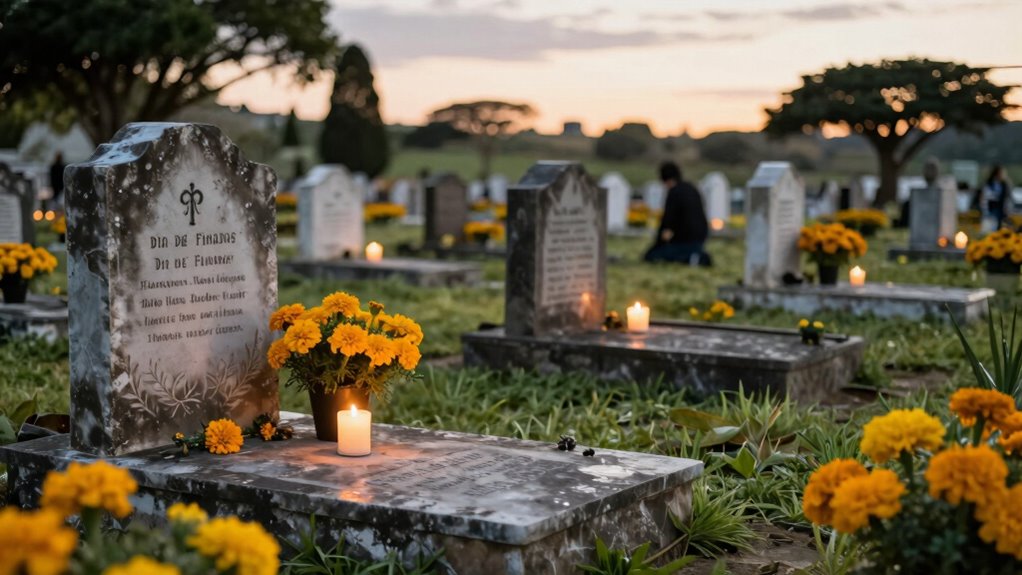
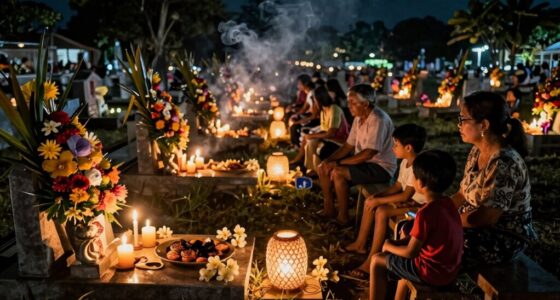
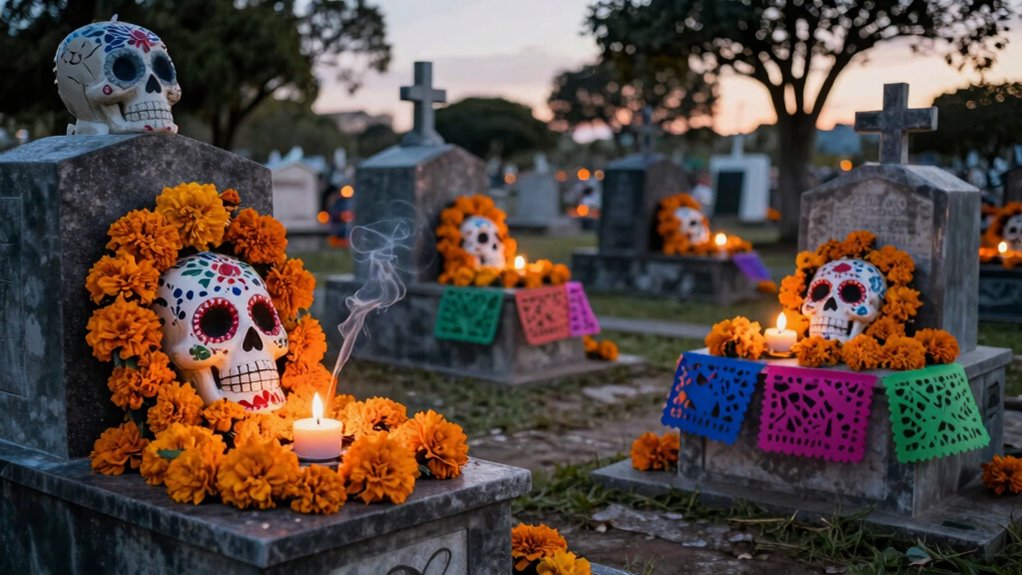
Community gatherings are central to Finados, forming an essential part of the celebration. You could find yourself surrounded by neighbors and relatives, all coming together to honor those who have passed. During these gatherings, traditions like offering food, lighting candles, and praying are common. These rituals serve as a link between the worlds, fostering a collective sense of comfort and hope. It’s not unusual to witness processions or communal prayers, where everyone participates in a shared act of remembrance. These gatherings foster a sense of unity, reminding you that you’re part of a larger community that values its history and loved ones. You might also notice that local churches hold special services, bringing people together in prayer and song. These moments reinforce the spiritual significance of the day, emphasizing that death is a part of life’s cycle, not an end but a passage. Additionally, the use of cultural traditions helps preserve the historical significance and emotional depth of the day. Observing community participation highlights how collective memory plays a vital role in honoring loved ones. Recognizing the importance of communal rituals can deepen your understanding of how shared practices strengthen bonds. You may also see families creating ofrendas, elaborately decorated altars that serve as a focal point for remembrance and storytelling. Throughout the day, you’ll see that the celebration isn’t somber but rather a meaningful, reflective experience. The cultural traditions and community gatherings work hand in hand, turning a day of mourning into one of remembrance, hope, and connection. As you participate, you’ll understand that Finados is more than just a day to honor the dead—it’s a demonstration of the strength of community bonds and the enduring power of cultural memory. Engaging in collective rituals can deepen the emotional impact and help keep traditions alive for future generations. Whether through quiet reflection or lively gatherings, this day reminds you that love and remembrance transcend death, uniting the living in a shared tribute to those who came before.
colorful altar decorations for Day of the Dead
As an affiliate, we earn on qualifying purchases.
As an affiliate, we earn on qualifying purchases.
Frequently Asked Questions
How Do Families Prepare for Dia De Finados in Brazil?
You prepare for Dia de Finados by engaging in memorial traditions, such as cleaning and decorating graves with flowers and candles. Families gather at cemeteries to honor loved ones, often sharing stories and prayers. You might also participate in community gatherings, where people come together to remember those who have passed. This day emphasizes reflection and connection, making it a meaningful time to celebrate life and remember dearly departed.
Are There Specific Foods Associated With Brazil’s Day of the Dead?
You’ll find traditional sugar skulls and festive flower arrangements as key foods during Dia De Finados in Brazil. Curiously, over 80% of families decorate graves with vibrant marigolds, symbolizing the cycle of life and death. These sweet sugar skulls honor loved ones, while the colorful flowers create a festive atmosphere. The combination of these foods and decorations reflects the respectful yet celebratory spirit of this meaningful day.
How Has Dia De Finados Evolved Over Brazil’s History?
You see that Dia de Finados has evolved through historical influences like Portuguese Catholic traditions and indigenous practices. Over time, it’s incorporated cultural adaptations, blending solemn remembrance with festive customs like family gatherings and special foods. Today, you observe a mix of reverence and celebration, reflecting Brazil’s diverse heritage. The day remains a powerful reminder of ancestors, shaping how you honor loved ones across generations with evolving rituals and meanings.
What Are Common Customs or Rituals During the Celebration?
Imagine a garden where memories bloom; during Dia De Finados, you light candles that flicker like tiny stars, honoring loved ones. You place memorial flowers on graves, creating a vibrant mosaic of remembrance. You may visit cemeteries, pray, or reflect quietly. These rituals help you connect with the departed, turning the day into a heartfelt tribute that emphasizes love, remembrance, and the enduring bonds beyond life.
How Do Younger Generations Participate in Dia De Finados?
Younger generations participate in Dia de Finados by blending youth traditions with modern memorials. They often visit cemeteries, light candles, and leave flowers, but also share stories on social media, creating digital memorials. Some create personalized tributes or attend community events that incorporate music or art. This mix of traditional and contemporary activities helps them connect emotionally with their ancestors while embracing new ways to honor the dead.
Conclusion
As you reflect on Brazil’s Day of the Dead, it’s striking how the quiet, powerful traditions quietly echo the universal need to honor those we’ve lost. Sometimes, it’s in the smallest gestures—like a candle flickering or a shared story—that we realize how deeply connection endures beyond death. Coincidentally, just as the day’s significance settles in your mind, you might find yourself unexpectedly reminded of loved ones you cherish, reaffirming that memory truly keeps us alive.
Fall yard work Picks
leaf blowers
As an affiliate, we earn on qualifying purchases.