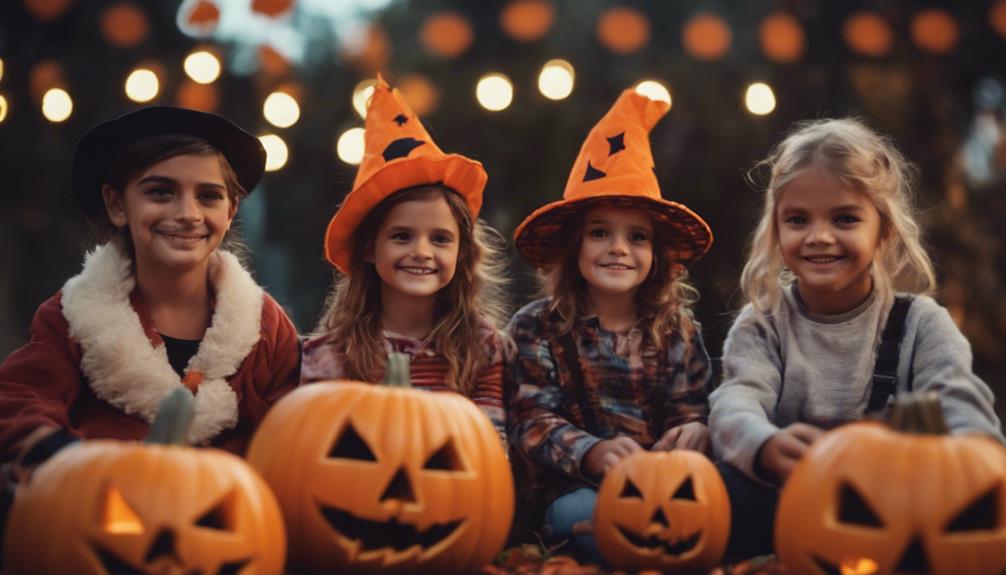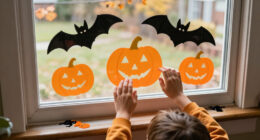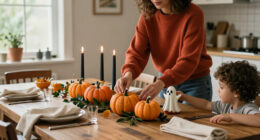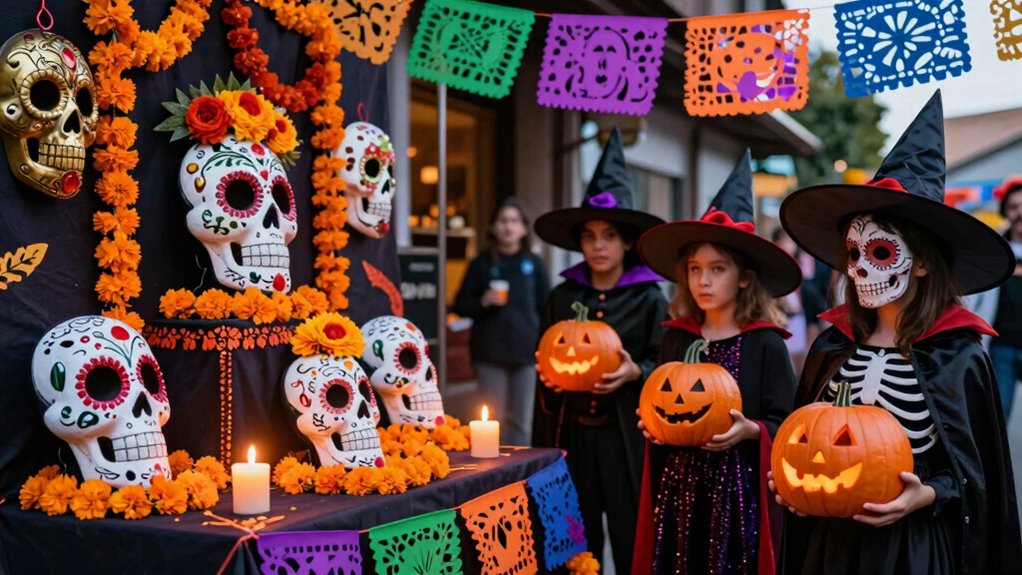

If you think both holidays are about costumes and spooky fun, you’re missing the core difference. Día de Muertos is a deeply spiritual event that celebrates and honors ancestors, with vibrant altars, special foods, and family traditions. Halloween focuses on entertainment, scares, and costumes. While it’s easy to mix them up, understanding the cultural significance behind each holiday reveals how Día de Muertos emphasizes remembrance and respect—things you’ll discover more about if you keep exploring.

Get decor and gifts delivered free with Prime
- Fast, free delivery on millions of items
- Prime Video, Amazon Music and more included
- Member-only deals all year
Key Takeaways
- Día de Muertos celebrates ancestors’ remembrance and spiritual connection, while Halloween focuses on entertainment and spooky fun.
- Día de Muertos uses vibrant altars and marigolds to honor the dead, unlike Halloween’s spooky decorations.
- Traditional foods like pan de muerto symbolize life cycles in Día de Muertos, whereas Halloween emphasizes treats and candies.
- Día de Muertos involves heartfelt family rituals at cemeteries; Halloween features costumes, trick-or-treating, and parties.
- The core purpose of Día de Muertos is cultural reverence and remembrance, contrasting with Halloween’s emphasis on scares and entertainment.
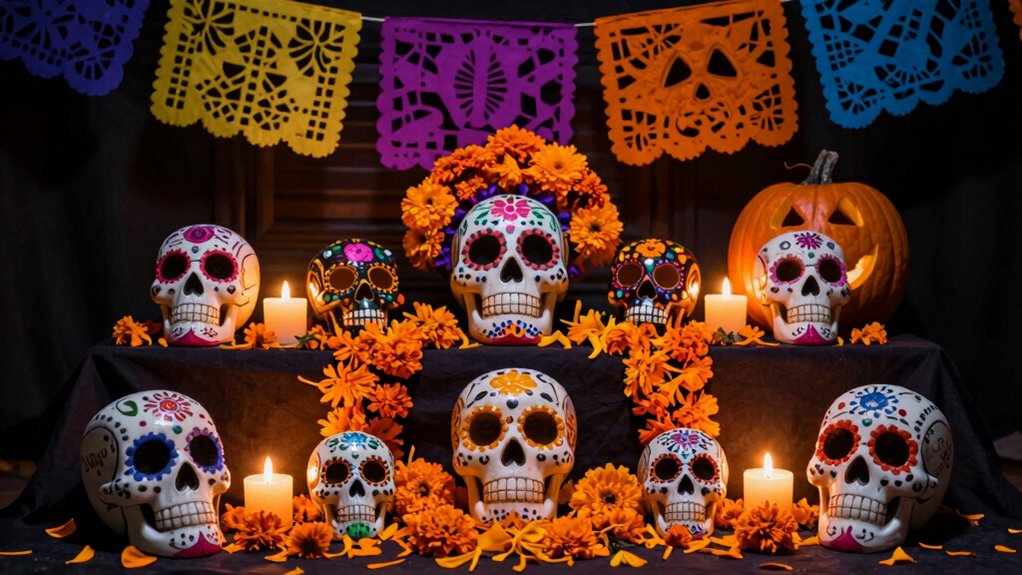
When October rolls around, many people celebrate Halloween with costumes, trick-or-treating, and spooky decorations, but in Mexico and parts of Central America, the Day of the Dead offers a different, more meaningful way to honor loved ones who have passed away. This holiday isn’t just about spooky ghosts or costumes; it’s rooted in deep cultural significance that celebrates life and death as interconnected. You might notice vibrant altars, marigold flowers, and sugar skulls, all symbolizing remembrance and the cycle of life. Unlike Halloween’s focus on fright and mystery, Día de Muertos emphasizes connection, memory, and respect for ancestors.
Día de Muertos celebrates life and memory with vibrant altars, marigolds, and sugar skulls, honoring loved ones who have passed.
One key difference lies in the way each holiday approaches death. Halloween often treats it as something scary or supernatural, while Día de Muertos views death as a natural part of life’s journey. You’re encouraged to remember and celebrate your loved ones’ lives, not mourn their loss. This shift in perspective makes the celebration more personal and heartfelt. The cultural significance of Día de Muertos goes beyond just remembering; it’s about keeping family traditions alive and passing them down through generations. You’ll see families gathering at cemeteries, sharing stories, and cleaning tombstones, all to honor those who came before you.
Traditional foods play a vital role in Día de Muertos, highlighting its cultural importance. You might find yourself enjoying dishes like pan de muerto, a sweet bread shaped like bones or skulls, symbolizing the cycle of life and death. Other popular foods include tamales, mole, and sugar skull-shaped candies called calaveritas. These foods aren’t just delicious—they carry symbolic meanings and are prepared with love and respect. Preparing and sharing these traditional foods helps reinforce cultural identity and familial bonds. Additionally, traditional foods often incorporate symbols and motifs that reflect the holiday’s spiritual significance. You may also notice that the act of preparing these foods is a ritual that strengthens cultural identity, further emphasizing the importance of tradition. Understanding the cultural symbolism behind these foods deepens your appreciation for the holiday’s spiritual and cultural roots. Recognizing the spiritual significance of these culinary traditions enriches the celebration and connects participants to their ancestors in a meaningful way. The use of symbolic decorations like marigolds and candles enhances the atmosphere and invites the spirits to join the celebration. By participating in these culinary traditions, you connect more deeply with your roots and honor your ancestors’ legacy.
In essence, Día de Muertos and Halloween serve different purposes, even though they often occur around the same time. Halloween’s focus is on costumes, scares, and entertainment, while Día de Muertos emphasizes remembrance, cultural heritage, and honoring those who have passed away through rituals, symbols, and traditional foods. Recognizing these differences allows you to appreciate the rich traditions behind Día de Muertos and the meaningful ways it celebrates life and memory, setting it apart from the more commercialized Halloween festivities.
Day of the Dead altar decorations
As an affiliate, we earn on qualifying purchases.
As an affiliate, we earn on qualifying purchases.
Frequently Asked Questions
How Did Día De Muertos Originate Historically?
You might not realize that Día de Muertos’s historical origins trace back to indigenous traditions in Mexico, blending indigenous beliefs with Spanish Catholic influences. This celebration, held on November 1st and 2nd, holds deep cultural significance, honoring deceased loved ones. It’s rooted in pre-Hispanic practices that emphasize remembrance and the cycle of life and death, making it a vibrant, meaningful tradition that differs markedly from Halloween’s origins.
Are Costumes Traditionally Worn During Día De Muertos?
Yes, costumes are traditionally worn during Día de Muertos. You’ll notice vibrant face paint resembling sugar skulls, which hold cultural significance, honoring the dead. These costume traditions help celebrate and remember loved ones, blending artistry with spiritual meaning. Wearing these costumes allows you to participate actively in the festivities, emphasizing the cultural significance of honoring ancestors and maintaining the rich heritage behind Día de Muertos.
What Symbols Are Exclusive to Día De Muertos?
Imagine strolling through a vibrant cemetery, where altars adorned with marigolds and sugar skulls proudly showcase their symbolism. These symbols are exclusive to Día de Muertos, not Halloween. Altars honor loved ones, marigolds guide spirits with their scent, and sugar skulls celebrate the departed’s life. Unlike Halloween, these symbols emphasize remembrance and cultural reverence, making Día de Muertos a heartfelt homage rather than just spooky fun.
Can Día De Muertos Be Celebrated Outside Mexico?
Yes, Día de Muertos can be celebrated outside Mexico through cultural adaptation and international celebrations. Many communities worldwide embrace the holiday to honor loved ones, create altars, and share traditional foods. You can participate by learning its history, setting up altars, or attending events. This celebration’s universal themes of remembrance and honoring ancestors allow it to resonate globally, fostering cultural exchange and appreciation beyond Mexican borders.
Is There a Specific Time of Day to Honor the Dead?
You definitely want to honor the dead during specific moments, as the cultural significance often peaks at particular times. While there’s no single “perfect” time, many believe the spiritual timing is during the evening or night, especially when families gather around altars. This period is considered sacred, as it aligns with the tradition’s spiritual timing, making it the most meaningful time to connect with loved ones who’ve passed.
Conclusion
As you walk through the vibrant streets during Day of the Dead and Halloween, it’s easy to see how both celebrations honor the spirits, yet in different ways. Coincidentally, a painted skull mask might sit beside a marigold wreath, blending cultural reverence with playful tradition. These moments remind you that while they share costumes and symbolism, each festival uniquely celebrates life and memory—an intricate dance of history and heart, woven into the fabric of your experience.
Columbus Day / Indigenous Peoples' Day Picks
long weekend sales
As an affiliate, we earn on qualifying purchases.