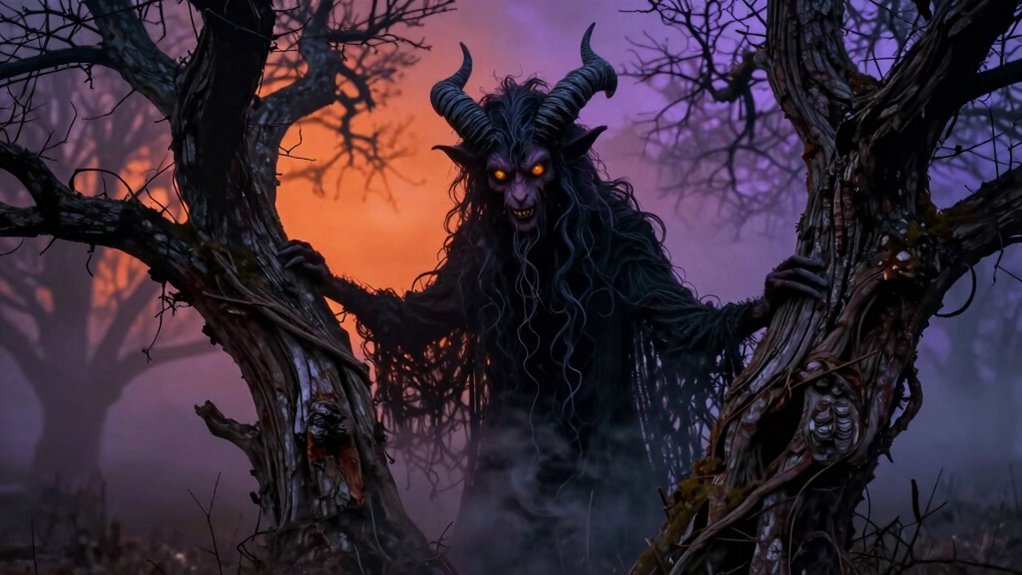
Ireland’s Púca is a shape-shifting spirit deep in Irish folklore, embodying mischief, change, and unpredictability. It can appear as a horse, goat, or human and is known for its playful yet tricky nature. During festivals like Samhain, its presence grows stronger, symbolizing the thin boundary between worlds. This legendary creature influences many Halloween traditions, reminding us to respect mysteries and embrace transformation—if you keep exploring, you’ll discover more surprises behind its enigmatic reputation.
Key Takeaways
- Púca is a shape-shifting Irish spirit symbolizing change, mischief, and the supernatural, especially prominent during Halloween and Samhain.
- It appears in various forms like horse, goat, dog, or human, embodying unpredictability and transformation.
- The Púca’s dual nature brings both good and bad luck, acting as a guardian or trickster in Irish folklore.
- Its presence is heightened during Samhain, when the veil between worlds is thin, emphasizing its role in Celtic seasonal transitions.
- The Púca reflects themes of transformation and respect for unseen forces, inspiring Halloween’s playful yet mysterious vibe.
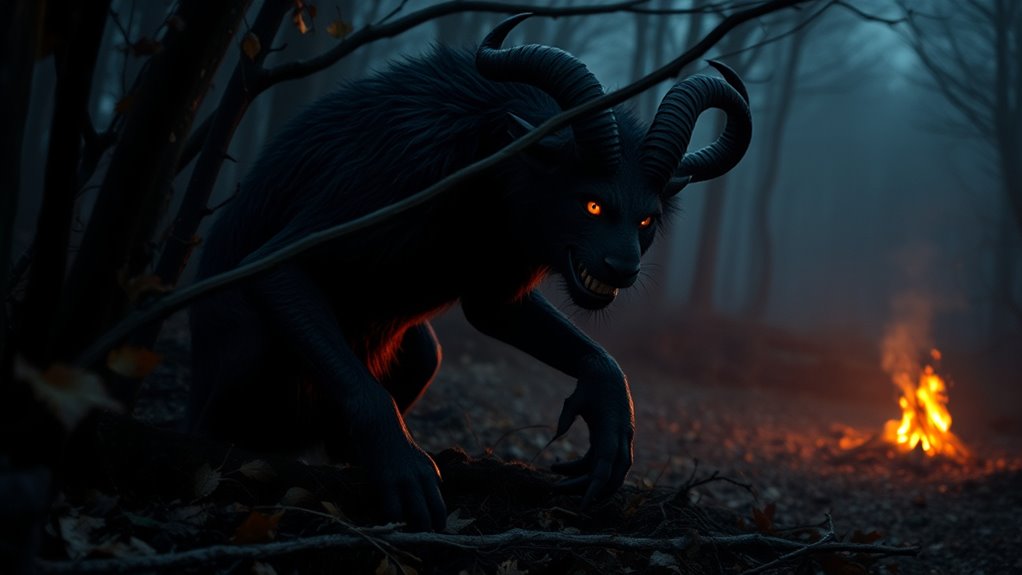
Have you ever heard of Ireland’s Púca, the mischievous spirit that roams the countryside, blending folklore with legend? This shape-shifting creature embodies the unpredictable and mysterious nature of Irish traditions, especially during Halloween. The Púca’s roots run deep in Irish culture, touching on themes of changelings folklore and rich symbolism. When you encounter stories of changelings—fairy or spirit children swapped with human babies—the Púca often plays a role, either as a trickster or as a guardian, depending on the tale. These stories highlight the Púca’s connection to the supernatural world and its ability to blur the lines between the human and fairy domains. As a shape-shifter, it can appear as a horse, goat, dog, or even a human, always keeping you guessing about its true form. This chameleon-like ability is central to the Púca’s symbolism, representing change, unpredictability, and the spirit of mischief. Additionally, the Púca’s highly adaptable nature underscores its role as a symbol of transformation and the unpredictable forces at work in Irish folklore.
In Irish folklore, the Púca is often seen as a bringer of both good and bad luck, embodying duality and the enigmatic nature of the unseen world. Its symbolism extends beyond mere mischief; it’s a guardian of thresholds, standing at the boundary between the known and the unknown. During Samhain, the Celtic festival marking the end of the harvest season and the beginning of winter, the Púca’s presence is felt more strongly. It’s believed that the spirit roams freely during this time, reminding you of the thin veil separating worlds. The Púca’s symbolism underscores the importance of respecting the spirits and understanding that change is inevitable and often unpredictable. Its playful yet sometimes sinister nature serves as a reminder to stay alert and aware of the hidden forces at work.
You might see the Púca as a symbol of transformation, both literal and metaphorical. Its ability to shift shape reflects how lives can change suddenly and unexpectedly. The folklore surrounding changelings emphasizes the importance of recognizing and respecting the supernatural, especially during times when the veil is thinnest. The Púca’s mischievous antics echo the unpredictable energy of Halloween, when the boundary between the worlds dissolves. Whether as a warning or a protector, the Púca’s symbolism invites you to embrace change with a sense of wonder and caution. It’s a reminder that beneath the surface of everyday life lies a world full of magic, mystery, and unpredictable spirits just waiting to jump into the fray.
Frequently Asked Questions
How Is the Púca Different From Other Irish Mythical Creatures?
You’ll notice the púca stands out from other Irish mythical creatures because of its incredible shape-shifting abilities and mischievous nature. Unlike more straightforward beings, the púca can transform into animals, humans, or even inanimate objects, making it unpredictable. Its playful, sometimes tricky behavior keeps people alert, and it often acts as both a trickster and a guide, adding a unique, mysterious edge to Irish folklore.
Can the Púca Bring Good Luck or Only Mischief?
You might find the púca as unpredictable as a rolling mist, capable of bringing both luck and mischief. During fortune telling or supernatural encounters, it can serve as a mischievous trickster or a helpful guide, depending on its mood. If you earn its favor, it could lead to good fortune, but beware—its playful spirit often blurs the lines between blessing and challenge, keeping you on your toes in the dance of the supernatural.
Are There Any Specific Places in Ireland Known for Púca Sightings?
You might spot a púca in Ireland’s famed haunted sites like Bunratty Castle or the Cliffs of Moher, where local folklore suggests mysterious apparitions. These locations are steeped in stories of shape-shifting spirits, making them prime spots for púca sightings. If you visit these places, keep your eyes open at dusk and dawn, as these magical creatures are said to appear during twilight hours, blending seamlessly into Ireland’s mystical landscape.
How Has the Púca Influenced Modern Irish Halloween Celebrations?
The púca has considerably influenced modern Irish Halloween celebrations by blending folk traditions with festive activities. You’ll notice costumes and decorations inspired by this shape-shifter, emphasizing mystery and mischief. Many communities incorporate púca-themed stories and folklore into their events, keeping the ancient spirit alive. This connection enriches the holiday, making Halloween in Ireland a vibrant mix of historical folk traditions and contemporary festivities centered around the púca’s playful, enigmatic nature.
What Are Traditional Stories or Legends Involving the Púca?
You’ll find that púca folklore is full of shape-shifting legends, where the púca often appears as a horse, goat, or dog to trick or guide people. In traditional stories, the púca can be mischievous or helpful, but it always embodies the mysterious spirit of Irish legends. These tales warn travelers to be cautious around the púca, emphasizing its unpredictable nature and deep roots in Ireland’s supernatural lore.
Conclusion
As you delve into Ireland’s rich folklore, the púca’s playful yet mysterious spirit lingers. Imagine walking through a foggy Irish field one Halloween night, feeling the sudden shift in the air as a mischievous púca appears, shifting form from a friendly horse to a ghostly figure. Its unpredictable nature reminds you that these legends aren’t just stories—they’re a living part of Ireland’s enchanting, spooky traditions, always ready to surprise and delight you.