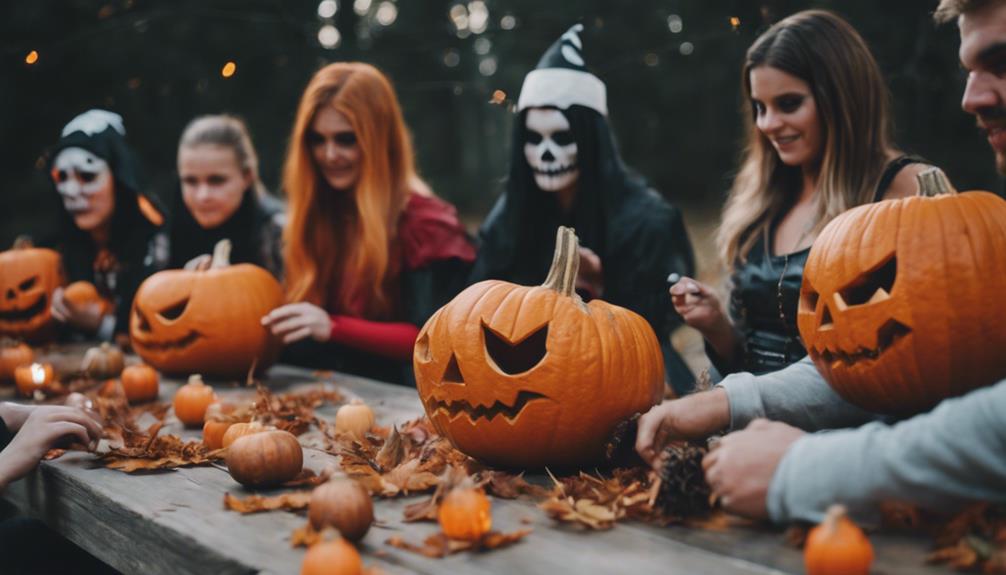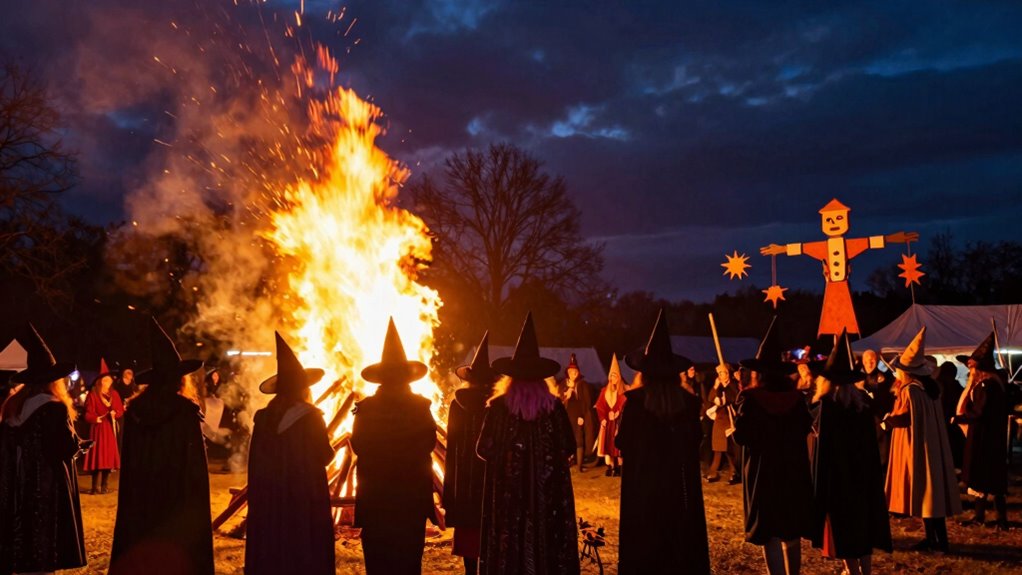

Walpurgis Night is a lively German celebration that blends ancient pagan customs with Christian traditions to mark the end of winter and the arrival of spring. You’ll see bonfires, singing, and dances, all aimed at chasing away evil spirits and welcoming new life. Folklore about witches and spirits plays a big role, especially around Brocken Mountain. To discover more about this mystical festival’s history and unique customs, keep exploring this fascinating spring tradition.

Get decor and gifts delivered free with Prime
- Fast, free delivery on millions of items
- Prime Video, Amazon Music and more included
- Member-only deals all year
Key Takeaways
- Walpurgis Night marks the transition from winter to spring, blending pagan rituals with Christian traditions.
- Celebrants gather around bonfires to ward off evil spirits and welcome the sun’s return.
- Witches and folklore legends influence costumes and festivities, symbolizing mystical heritage.
- The event emphasizes renewal, community bonding, and environmental awareness through storytelling and rituals.
- It is a cultural celebration rooted in protection, history, and the lively spirit of spring’s arrival.
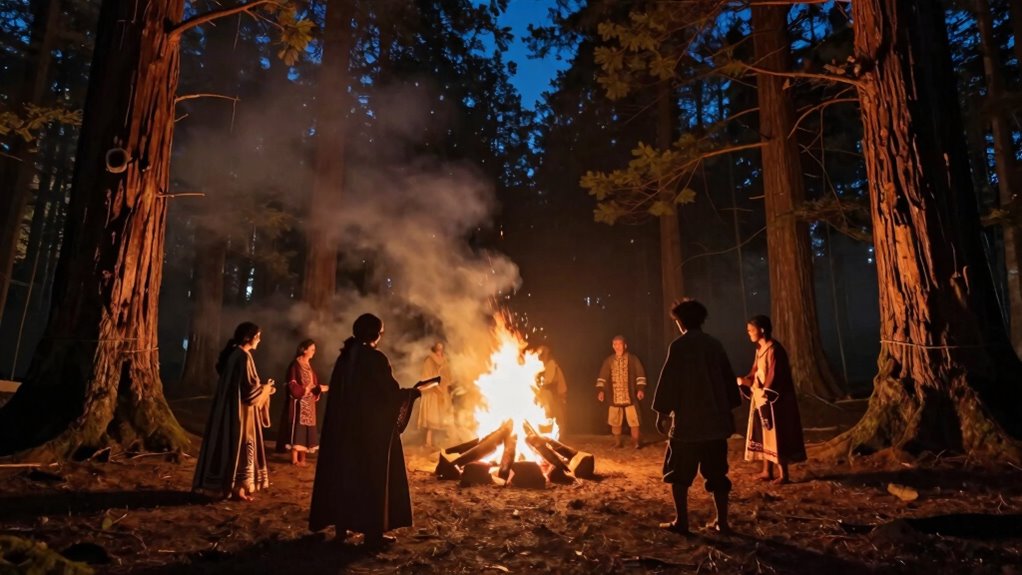
As winter fades and spring begins to bloom, Germans prepare for Walpurgis Night, a lively and mystical celebration that marks the arrival of warmer days. This night is part of the broader spring celebrations that have been rooted in folklore origins for centuries. You might notice communities gathering around bonfires, decorating with lanterns, and singing traditional songs as they welcome the changing season. The energy is contagious, and the atmosphere is filled with anticipation for the warmth and new life spring brings.
Walpurgis Night’s origins trace back to ancient European traditions that celebrated the end of winter and the beginning of spring. Its roots are intertwined with pagan customs, where people believed that during this time, the boundary between the human world and the supernatural was thinnest. As a result, they held rituals to ward off evil spirits and ensure a fruitful year ahead. Over time, these customs merged with Christian practices, and the night became associated with Saint Walpurga, an 8th-century abbess considered a protector against evil. Today, the celebration combines both folklore and religious elements, creating a vibrant tapestry of history and myth.
Walpurgis Night merges pagan and Christian traditions, honoring spring and warding off evil spirits through rituals and legends.
When you participate in Walpurgis Night festivities, you’ll notice how deeply the folklore origins influence everything. Traditional dances, storytelling, and symbolic rituals are part of the night’s fabric. People light bonfires not only to chase away winter’s remnants but also to honor the sun’s return and promote good luck. These fires serve as focal points for communities to gather around, share food, and revel in the joy of spring. You might also see witches’ costumes, which are inspired by legends of witches and spirits believed to gather on the Brocken Mountain, the highest peak in the Harz region. These costumes and legends stem from old myths that saw witches as both feared and revered figures, connecting the celebration to its mystical roots. Additionally, the celebration often highlights the importance of biodiversity and the environment, emphasizing the renewal of life and nature’s resilience during spring. Recognizing these traditions helps preserve the cultural history that has shaped modern festivities and keeps the spirit of the celebration alive for future generations.
In essence, Walpurgis Night isn’t just about welcoming spring; it’s a vivid expression of cultural history, blending ancient folklore with modern festivities. As you join in the celebrations, you’re participating in a tradition that has evolved over centuries, rooted in the desire to protect, celebrate, and embrace the new season. The night’s lively atmosphere, steeped in stories and customs, makes it a truly enchanting experience that captures the spirit of spring’s renewal and the enduring power of folklore.
Walpurgis Night bonfire supplies
As an affiliate, we earn on qualifying purchases.
As an affiliate, we earn on qualifying purchases.
Frequently Asked Questions
How Did Walpurgis Night Originate Historically?
You might find that Walpurgis Night’s historical origins trace back to medieval legends and pagan spring festivals. It evolved from ancient rituals celebrating fertility and warding off evil spirits. Over time, Christian influences blended with these pagan traditions, transforming the night into a celebration of spring’s arrival. Today, it’s a lively event rooted in centuries-old customs that combine myth, folklore, and seasonal renewal.
Are There Specific Foods Associated With Walpurgis Celebrations?
During Walpurgis celebrations, you’ll find traditional herbal recipes like spiced bread and herbal teas, which connect to the festival’s nature roots. People also gather around Walpurgis bonfires, symbolizing warding off evil spirits. While specific foods aren’t strictly prescribed, sharing hearty, herbal-infused dishes enhances the communal spirit and honors the spring renewal. These customs blend food and fire to celebrate the changing season with warmth and tradition.
How Do Modern Germans Celebrate Walpurgis Night Today?
Like a scene from a fairy tale, you celebrate Walpurgis Night with lively modern party traditions and costume customs. You might attend bonfires, dance around flames, or wear costumes inspired by witches and folklore. Friends gather to enjoy music, drinks, and fireworks, embracing the festive spirit. These celebrations blend old superstitions with contemporary fun, allowing you to connect with Germany’s rich cultural history while enjoying the vibrant energy of spring’s arrival.
Are There Regional Differences in Walpurgis Traditions Across Germany?
You’ll find regional differences in Walpurgis Night traditions across Germany, as local customs and folklore shape celebrations. In some areas, like the Harz Mountains, people light bonfires and wear costumes, emphasizing local folklore. In others, like Bavaria, festivities might include singing, dancing, and traditional rituals. These regional customs reflect Germany’s diverse cultural heritage, making each celebration unique, yet all rooted in the common theme of welcoming spring with lively, witchy festivities.
What Symbols Are Commonly Seen During Walpurgis Night Festivities?
During Walpurgis Night festivities, you’ll see witch symbols like broomsticks, cauldrons, and pointed hats, reflecting the tradition’s witchy roots. Beltane influences are evident too, with bonfires symbolizing purification and protection. These symbols, combined with masks and fire displays, create a mystical atmosphere. You might also spot floral decorations, emphasizing the spring renewal theme, blending local customs with ancient pagan celebrations.
Conclusion
As the night falls and whispers of ancient magic fill the air, Walpurgis Night beckons you to step into Germany’s enchanting spring ritual. Feel the flicker of fiery bonfires and the swirl of folklore as you dance with the shadows of history. Embrace this spellbinding tradition, where the veil between worlds thins and secrets come alive. Let the witchy allure of Walpurgis Night ignite your spirit and carry you into the mystic bloom of spring’s embrace.
Halloween Picks
halloween
As an affiliate, we earn on qualifying purchases.