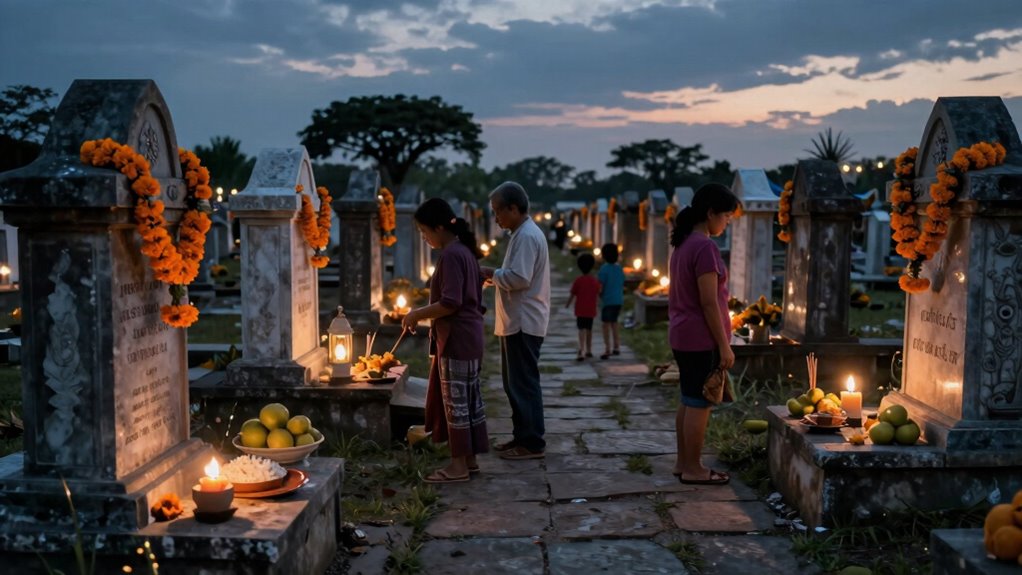
In the Philippines, Halloween is a heartfelt blend of honoring ancestors and celebrating life through family rituals and cemetery nights. You’ll see families preparing altars with photos, candles, and offerings, often in cemeteries transformed into colorful, lively spaces. Cemetery nights are both solemn and festive, filled with storytelling, music, and community spirit. These customs strengthen cultural bonds and guarantee traditions are passed on. Keep exploring to discover more about this unique blend of reverence and celebration.

Get decor and gifts delivered free with Prime
- Fast, free delivery on millions of items
- Prime Video, Amazon Music and more included
- Member-only deals all year
Key Takeaways
- Filipino Halloween customs blend indigenous animist traditions with Catholic practices, emphasizing ancestor reverence and life celebration.
- Families set up altars called “lamay” or “mesa” in cemeteries, decorated with photos, candles, and offerings.
- Cemetery nights are both solemn and festive, involving storytelling, prayers, music, and community gatherings.
- Costumes often symbolize respect for ancestors, inspired by traditional Filipino attire like barongs, blending reverence with celebration.
- These rituals reinforce cultural identity, social bonds, and the preservation of Filipino customs across generations.
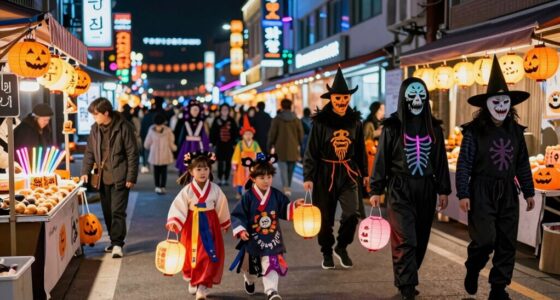
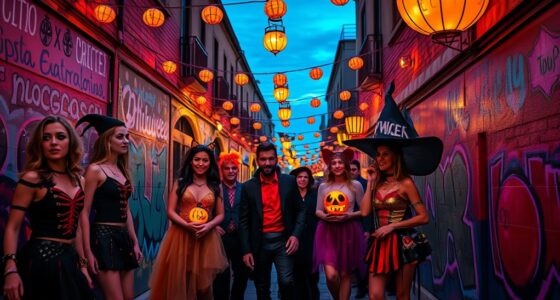
Have you ever wondered how Halloween is celebrated in the Philippines? If you’re curious, you’ll find that Filipino Halloween customs are deeply rooted in their rich cultural history and family-centered traditions. Unlike Western Halloween, which often emphasizes spooky costumes and trick-or-treating, Filipino celebrations blend indigenous practices with Catholic influences, creating a unique, heartfelt experience. One of the most striking aspects is the costume traditions, where people dress up not just for fun but to honor the spirits of their ancestors. Many choose simple but meaningful costumes, often inspired by traditional Filipino attire, such as barongs or colorful indigenous garments. Others go for more playful or spooky themes, but always with a sense of respect and reverence. These costumes serve as a connection to their roots, embodying a blend of respect for the dead and a celebration of life.
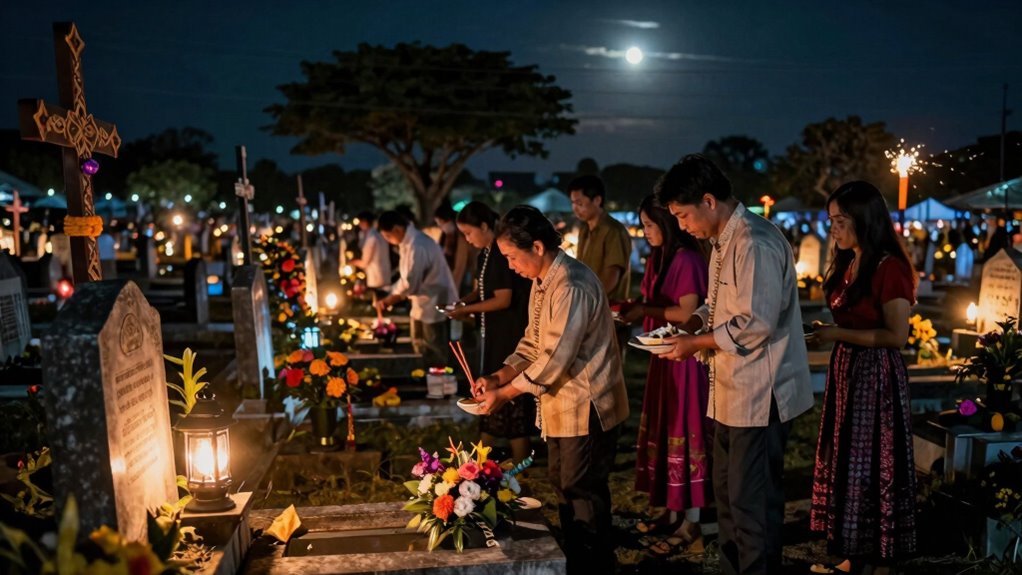
The festival origins of these practices trace back centuries, influenced by pre-colonial animist beliefs and later Catholic teachings introduced by Spanish colonizers. Over time, the Filipino community incorporated these elements into their own customs, resulting in a vibrant, community-centered event. Today, it’s common to see families preparing altars, called “lamay” or “mesa,” where they display photographs, candles, and offerings of food for their departed loved ones. These gatherings often occur in cemeteries, transforming them into lively, colorful spaces filled with flowers, music, and prayer. This tradition emphasizes the importance of family bonds, as relatives come together to remember and honor those who have passed away, believing that the spirits return for this special occasion. Additionally, the practice of maintaining these traditions helps preserve cultural identity amid modern influences. It also fosters a sense of spiritual connection that unites communities during these commemorative events. The communal aspect of these celebrations is reinforced by the shared participation of neighbors and friends, strengthening social cohesion.
During these cemetery nights, you’ll notice that the atmosphere is both solemn and festive. It’s a time for storytelling, sharing memories, and reconnecting with ancestors. Children, dressed in costumes, often join in these family rituals, symbolizing the continuity between generations. The community also participates by holding processions, singing hymns, and offering food and candles to their loved ones’ spirits. These practices reinforce the Filipino value of “utang na loob” (debt of gratitude) and the deep respect for family ties. It’s also worth noting that maintaining such traditions helps foster a sense of community resilience that keeps cultural practices alive despite societal changes. In many communities, these celebrations also serve as a cultural preservation effort, ensuring that customs are passed down to younger generations. By doing so, they not only honor their ancestors but also strengthen their collective identity. So, when you observe a Filipino Halloween, you’ll see a harmonious mix of tradition, spirituality, and community spirit—an authentic reflection of their cultural identity that has evolved over centuries but still remains rooted in family and faith.
Filipino traditional costume barong for adults
As an affiliate, we earn on qualifying purchases.
As an affiliate, we earn on qualifying purchases.
Frequently Asked Questions
How Do Children Typically Celebrate Halloween in the Philippines?
You typically celebrate Halloween in the Philippines by going door-to-door for trick or treating, where you collect candies and enjoy festive costumes. You also participate in community bonfire traditions, gathering with neighbors to share stories and food. Children often dress up in spooky or fun costumes, blending playful and cultural elements. This lively celebration emphasizes family, community, and honoring loved ones, making Halloween a memorable and meaningful event.
Are There Any Traditional Filipino Halloween Foods?
Imagine a table bursting with vibrant Filipino delicacies and traditional treats, each one telling a story. During Halloween, you might savor *bibingka* (rice cake), *puto* (steamed rice cakes), or *kalamay* (sweet sticky rice). These treats, rich in history and flavor, bring families together. They’re more than just food; they’re a delicious way to honor tradition, making Halloween a feast of culture and warmth.
What Are the Common Costumes Worn During Filipino Halloween?
During Filipino Halloween, you often wear traditional masks or create creative disguises to blend in with the spooky atmosphere. Common costumes include characters from local folklore, like aswang or tiyanak, or popular spooky figures such as ghosts and witches. You might also opt for humorous costumes to entertain family and friends. The emphasis is on creativity, so you can personalize your outfit with vibrant traditional masks or inventive disguises that stand out.
How Do Rural Areas Observe Halloween Differently From Cities?
Like a quiet village’s whisper compared to a bustling city’s drum, rural areas observe Halloween through deep-rooted community traditions. You’ll find families visiting cemeteries, holding vigils, and sharing stories, emphasizing remembrance and unity. In contrast, urban festivals often feature elaborate costumes, parties, and parades. The difference lies in rural communities’ focus on solemn rituals and close-knit bonds, while cities celebrate with lively, spectacle-filled festivities.
Are There Any Specific Superstitions Associated With Halloween in the Philippines?
You’ll find that superstitions and ghost stories are deeply woven into Filipino Halloween traditions. People believe ancestral spirits visit during this time, so they perform rituals to honor and appease these spirits. It’s common to hear tales of spirits lurking, and families light candles or offer food at graves to keep negative energies away. These practices reflect a strong respect for ancestors and a belief in the supernatural during Halloween.
Conclusion
As night falls, you walk through the dimly lit cemetery, lanterns flickering softly against the darkened stones. The scent of incense drifts in the cool air, mingling with the whispers of family rituals. You feel the warmth of loved ones’ memories surrounding you, a comforting presence amid the quiet. In the Philippines, Halloween isn’t just about spooky tales—it’s a heartfelt celebration of life, death, and familial bonds that linger long after the candles fade.
Halloween Picks
halloween
As an affiliate, we earn on qualifying purchases.