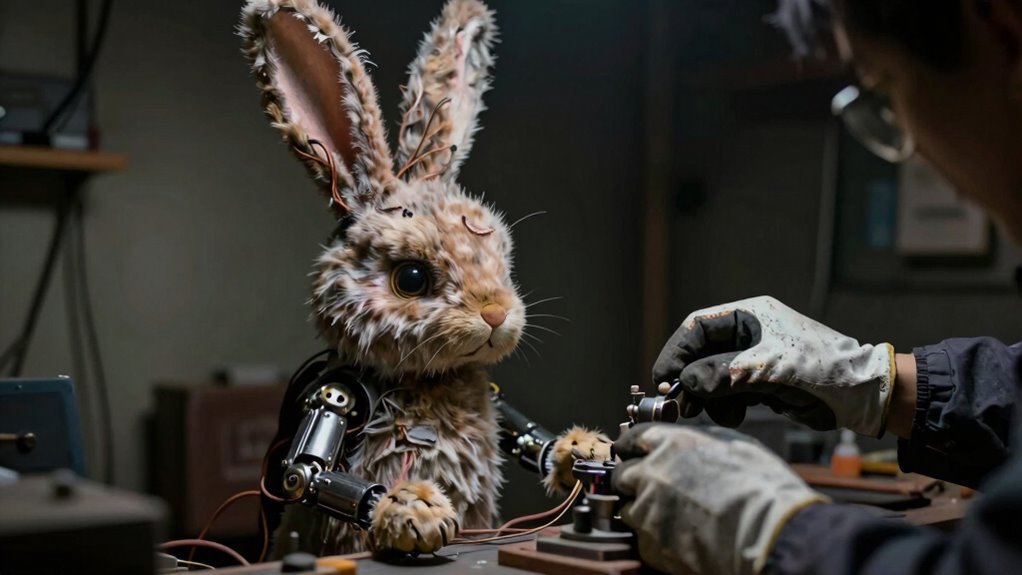

If your animatronic starts squeaking, it’s a sign something’s wrong and needs fixing. First, identify if the noise comes from loose joints, worn gears, or lack of lubrication by listening carefully. Tighten screws, replace worn parts, and apply the right lubricant. Using sound analysis tools can help pinpoint the source without unnecessary disassembly. If you want to learn how to quiet your animatronic effectively, keep going for the key steps to troubleshoot and maintain it properly.

Get decor and gifts delivered free with Prime
- Fast, free delivery on millions of items
- Prime Video, Amazon Music and more included
- Member-only deals all year
Key Takeaways
- Identify the squeak source through sound analysis to determine if it stems from loose parts, worn gears, or insufficient lubrication.
- Regularly inspect and lubricate joints and gears with appropriate products to prevent and eliminate squeaks.
- Tighten or replace loose or worn components, and realign misaligned joints for smoother operation.
- Use sound analysis tools during maintenance to monitor the effectiveness of repairs and adjustments.
- Check control system software for glitches or outdated calibrations that may contribute to abnormal squeaking.
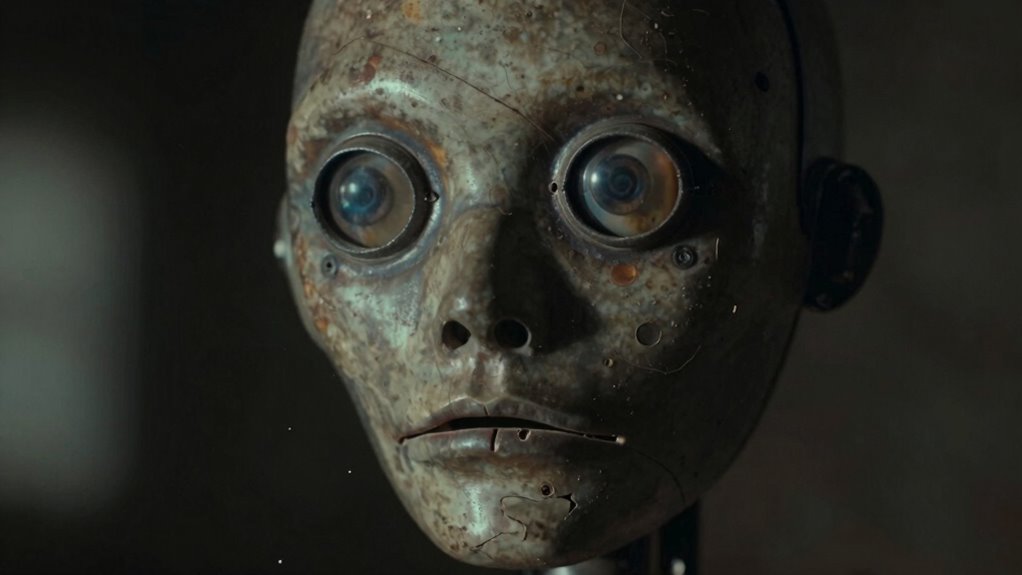
If you’ve ever heard a strange squeak coming from an animatronic, you know it’s more than just an annoyance—it could signal a mechanical issue that needs fixing. That squeak might seem minor at first, but ignoring it could lead to bigger problems down the line. To quiet an animatronic effectively, you need to understand what’s causing the noise. This is where sound analysis becomes essential. By listening carefully and analyzing the sound patterns, you can identify whether the squeak originates from loose joints, worn gears, or insufficient lubrication. Using sound analysis tools helps you pinpoint the exact source of the problem without unnecessary disassembly, saving you time and effort.
Once you’ve identified the cause, proper robot maintenance is your next step. Regular maintenance not only prevents squeaks but also extends the lifespan of your animatronic. Start by inspecting all moving parts—joints, gears, and shafts—for signs of wear or misalignment. Often, squeaks are caused by friction that could be reduced with the right lubrication. Applying a suitable lubricant to the right parts can often eliminate the noise immediately. Be careful to use products designed for robot maintenance; using the wrong lubricants can cause damage or attract dirt, leading to further issues. Additionally, understanding the importance of preventative care can help you develop a routine that keeps your animatronic running smoothly.
If the squeak persists even after lubrication, check for loose or damaged components. Tighten any loose screws or bolts, and replace worn-out parts as needed. Sometimes, the source of noise is a misaligned joint or a slightly bent gear. In such cases, realignment or replacement is essential. Remember, consistent sound analysis during these inspections helps you monitor whether your fixes are effective or if further adjustments are necessary. Additionally, understanding the latest tech news related to animatronic maintenance can provide valuable insights into new tools and methods that improve troubleshooting and longevity. Incorporating sound analysis regularly into your maintenance routine is crucial for early detection of mechanical issues before they escalate.
In addition to mechanical inspections, consider reviewing the software controlling the animatronic. Sometimes, unusual sounds can be caused by glitches or errors in the control system. Updating the software or recalibrating the movement sequences might reduce or eliminate the squeak. Overall, maintaining a routine of sound analysis and regular robot maintenance keeps your animatronic running smoothly and quietly. By addressing issues promptly and methodically, you guarantee that that squeak doesn’t become a persistent problem, and your animatronic remains in top condition.
animatronic gear replacement kit
As an affiliate, we earn on qualifying purchases.
As an affiliate, we earn on qualifying purchases.
Frequently Asked Questions
How Often Should Animatronics Be Maintained to Prevent Squeaks?
You should maintain your animatronics every 3 to 6 months to prevent squeaks. Regular animatronic cleaning removes dust and debris that cause noise, while proper lubrication techniques keep joints moving smoothly. By consistently inspecting and maintaining these elements, you prevent squeaks and extend your animatronics’ lifespan. Don’t wait for squeaks to appear—routine maintenance guarantees they stay quiet and function flawlessly.
Are Certain Materials More Prone to Squeaking in Animatronics?
Did you know that certain materials are 40% more prone to squeaking in animatronics? Yes, soft plastics and rubber parts tend to squeak more over time. You should focus on material durability when selecting components, and use proper lubrication techniques to minimize friction. Regular maintenance helps prevent squeaks, especially in these vulnerable parts, ensuring your animatronics stay quiet and smooth for longer.
Can Squeaks Indicate a Deeper Mechanical Issue?
Yes, squeaks can signal a deeper mechanical issue. When you notice squeaking, use proper lubrication techniques to address minor problems, but also perform a thorough squeak diagnosis. If the squeak persists despite lubrication, it might indicate worn parts or misalignment. Regular inspection helps catch issues early, preventing further damage. Always make certain you’re using the right lubricant and applying it correctly for effective maintenance and troubleshooting.
What Tools Are Best for Quieting an Animatronic?
You should use DIY lubrication tools like silicone spray or lightweight oil to quiet your animatronic. Apply the lubricant carefully to moving parts, avoiding excess that could cause buildup. Pair this with noise reduction techniques such as tightening loose screws and adjusting loose components. Regular maintenance guarantees smooth operation and reduces squeaking, so your animatronic stays quiet and functions properly without needing professional help.
Is Professional Help Necessary for Fixing Squeaks?
You don’t always need professional help for squeaks, but sometimes a delicate touch is best. If the noise persists despite your cosmetic repairs and aesthetic enhancements, consulting an expert can prevent further issues. Professionals can precisely diagnose underlying problems and guarantee your animatronic functions smoothly. While minor squeaks might be fixed with simple adjustments, trusting a specialist helps maintain the overall integrity and longevity of your setup.
Conclusion
Now that you know how to quiet an animatronic properly, you can keep it running smoothly and avoid those annoying squeaks. Imagine walking into a room where your animatronic moves silently, almost lifelike—wouldn’t that be impressive? Remember, regular maintenance and proper lubrication are your best tools. So, why settle for a squeak when you can restore its silent, seamless performance and make it feel almost new again?
Fall Picks
fall essentials
As an affiliate, we earn on qualifying purchases.