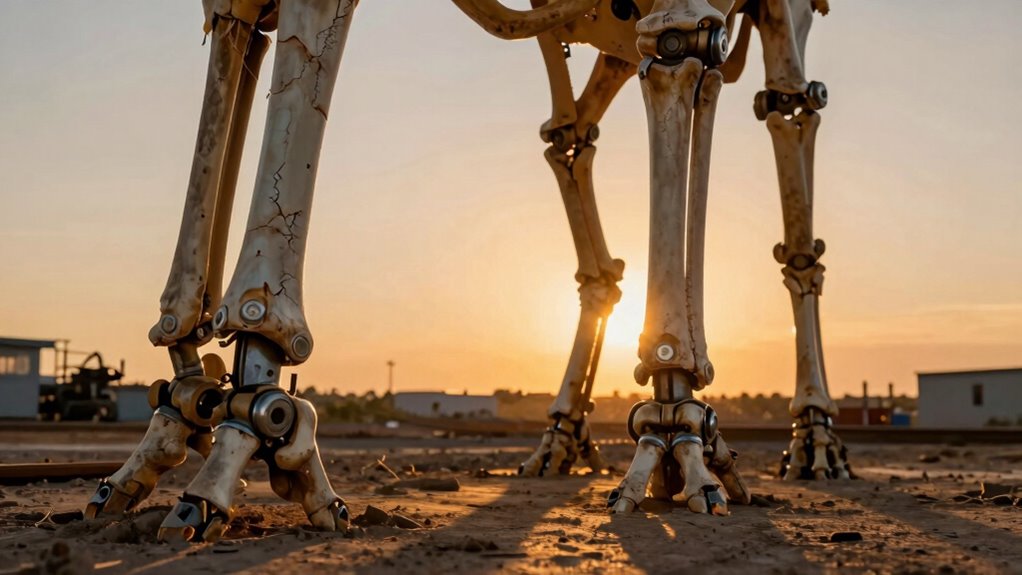

The three main mistakes that cause wobbles in a giant skeleton are poor bone alignment, insecure connections, and uneven weight distribution. Rushing assembly often leads to misaligned bones that create instability, while skipping proper fastening techniques makes the structure wobble. Additionally, neglecting to balance the weight causes uneven stresses. Fixing these issues early is essential. Keep going to discover how paying attention to details can prevent these common errors and keep your skeleton steady.
Key Takeaways
- Failing to properly align bones during assembly creates uneven weight distribution and wobbling.
- Using inadequate or unsecured fasteners causes loose connections, leading to instability.
- Rushing assembly without double-checking alignment increases misplacement and structural wobble.
- Neglecting to test stability throughout construction allows issues to persist and worsen.
- Ignoring attention to detail results in weak joints and compromised overall balance.
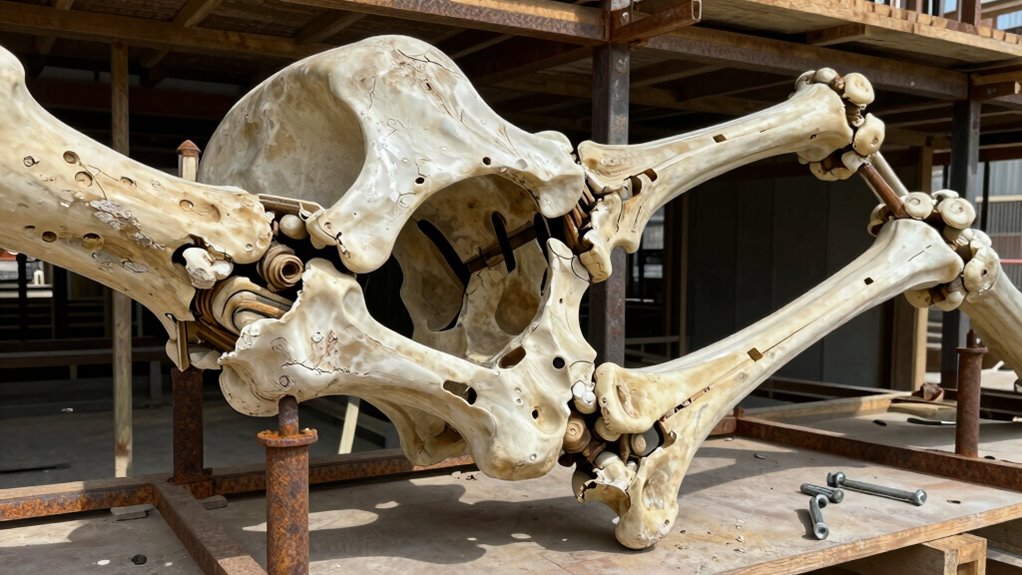
Building a giant skeleton can be a formidable task, but even experienced builders make mistakes that can compromise the entire project. One of the most common problems you’ll encounter is poor bone alignment. When the bones aren’t correctly aligned, the entire structure becomes unstable. It’s tempting to rush through fitting each piece, but skipping careful alignment can lead to wobbling or even collapse. To avoid this, double-check each connection as you go, guaranteeing that bones line up perfectly at their joints. Use guides or markers if needed, and don’t underestimate the significance of precision. Proper bone alignment isn’t just about aesthetics; it’s the foundation of your skeleton’s structural stability. Ensuring structural stability from the beginning will help prevent future issues.
Ensure perfect bone alignment for stability; double-check connections and use guides to prevent wobbling or collapse.
Additionally, paying attention to the weight distribution during assembly can significantly improve the overall stability and longevity of your skeleton.
Structural stability depends heavily on how well you assemble the bones. If the bones are misaligned, the weight isn’t distributed evenly, which puts extra stress on certain joints and can cause the skeleton to wobble. When working on the larger bones, like the pelvis or ribcage, it’s imperative to secure them firmly to the rest of the structure. Failing to do so can create weak points, making the entire skeleton prone to imbalance. You should also pay attention to the connection points—use the right adhesives, fasteners, or supports to confirm they’re strong enough to hold the weight. Remember, a stable skeleton requires every piece to be securely anchored and correctly positioned.
Another mistake you might make is neglecting the importance of balancing the skeleton during assembly. As you add each bone, step back and assess the overall balance. If one side is heavier or the bones aren’t symmetrically aligned, the entire structure will wobble. Use scales or plumb lines to check verticality, and adjust as needed before moving on. This proactive approach prevents problems from compounding later on, saving you from having to undo and redo work.
Finally, don’t overlook the importance of testing the skeleton’s stability as you progress. Gently apply pressure at different points to see if it holds firm. If you notice any wobbles, identify the loose or misaligned bones and fix them immediately. Building a giant skeleton is a careful process, and attention to detail at each step assures the final product is both impressive and sturdy. Keep these tips in mind, and you’ll minimize mistakes that cause wobbles, making your giant skeleton a masterpiece of both design and durability.

Axis Scientific Life Size Skeleton Model for Anatomy Study, Includes 3 Printed Guides, Pelvic-Mounted Rolling Stand, and US-Based Customer Service
Highly Detailed Life-Size Human Skeleton Model — Anatomically accurate full human skeleton stands ~5 ft 6 in tall…
As an affiliate, we earn on qualifying purchases.
As an affiliate, we earn on qualifying purchases.
Frequently Asked Questions
How Long Does It Take to Assemble a Giant Skeleton?
It takes about 4 to 6 hours to assemble a giant skeleton, depending on your experience and the complexity of the design. During assembly, you can customize the paint for a unique look, but make sure to use proper storage tips to protect your project afterward. Taking breaks and working methodically helps prevent mistakes that could cause wobbles, ensuring your giant skeleton stands tall and steady.
What Tools Are Essential for Assembly?
Think of assembling your giant skeleton as building a sturdy bridge—you need the right tools for stability. Essential tools include screwdrivers, wrenches, and pliers, all in good condition for safe assembly. Prioritize assembly safety by maintaining your tools regularly to prevent accidents. Keep everything sharp, clean, and functional. Proper tool maintenance guarantees precision and safety, helping you avoid wobbles and build a masterpiece that stands tall and proud.
Can the Skeleton Be Disassembled and Reassembled?
Yes, you can disassemble and reassemble the skeleton, but it requires careful handling of articulating joints to prevent damage. When reassembling, make certain all joints are securely connected, and check decorative finishes for any scratches or chips. Taking your time during disassembly helps preserve the integrity of the structure, so you can enjoy repositioning or storing your skeleton without worry. Proper attention guarantees your skeleton stays stable and visually appealing.
Are There Safety Concerns During Assembly?
You should always prioritize safety during assembly, as there are inherent hazards involved. Wearing safety precautions like gloves and goggles protects you from potential injuries. Be mindful of assembly hazards such as sharp edges or heavy parts that could cause accidents. Coincidentally, if you’re distracted or rushing, you’re more likely to overlook safety steps. Take your time, follow instructions carefully, and double-check your work to guarantee a safe and successful assembly.
How Do I Maintain the Skeleton After Assembly?
To keep your skeleton looking great, regularly check the decorative lighting and guarantee it’s securely attached. Clean the skeleton gently to prevent dust buildup, which can affect its structural stability. If you notice any wobbling, reinforce joints or support structures as needed. Store it in a dry, sheltered place during off-season periods. Proper maintenance helps preserve its appearance and ensures it remains stable and safe for display.

50 Set Doll Joints Cotter Pin, Wood Skeleton Joints Movable Engage Screw and Fastener with Storage Box for Teddy Bear Making Supplies
[ESSENTIAL CONSUMABLES] for craft lovers who enjoy making hand-made dolls. Doll joints are a necessity for doll making…
As an affiliate, we earn on qualifying purchases.
As an affiliate, we earn on qualifying purchases.
Conclusion
By avoiding these common mistakes, you’ll have a much smoother giant skeleton assembly. Pay close attention to details, double-check your measurements, and follow the instructions carefully. Remember, rushing through can lead to wobbling and frustration. When you take your time and get it right the first time, you’re setting yourself up for success. It’s better to be safe than sorry—otherwise, you might find yourself chasing your tail instead of enjoying your impressive creation.

Axis Scientific Life-Size Human Heart Model, 2-Part Magnetic Design with 34 Clearly Labeled Internal Structures, Mounted on Base, Includes Anatomy Study Manual for Medical and Educational Use
Deluxe Life-Size Human Heart Replica – Authentic, full-size heart anatomy model accurately represents cardiac structures for meaningful study…
As an affiliate, we earn on qualifying purchases.
As an affiliate, we earn on qualifying purchases.

Estes 2231 Fin Alignment Guide Model Kit , Color Varies
FIN GUIDE FOR MODEL ROCKET: The Fin Alignment Guide is the essential tool for model rocket builders who…
As an affiliate, we earn on qualifying purchases.
As an affiliate, we earn on qualifying purchases.