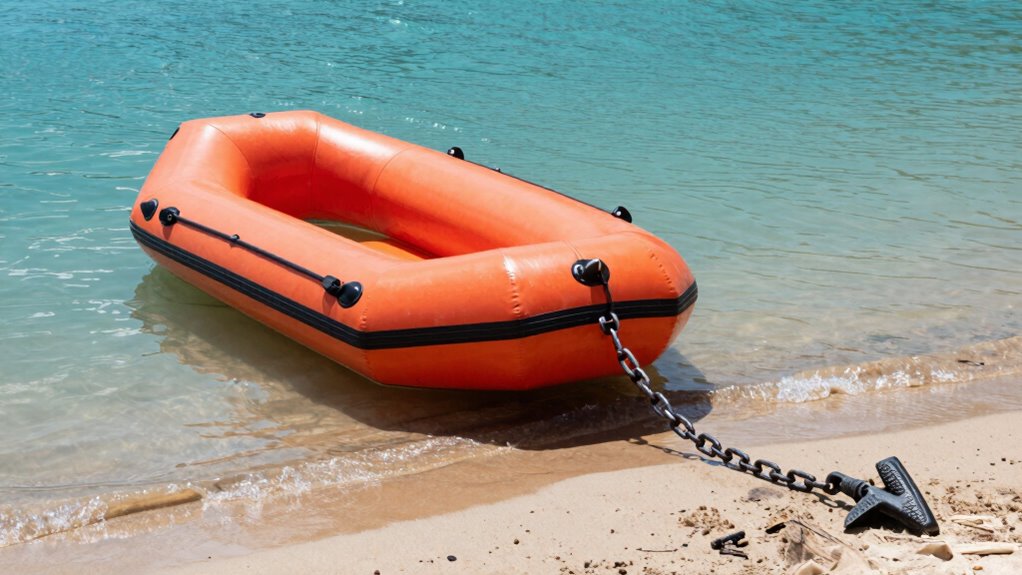
To prevent your inflatable from escaping, you need to use proper anchoring methods. Choose heavy-duty stakes for grassy or sandy surfaces, or weighted anchors for rocky areas. Attach ropes or straps to multiple points around the inflatable’s perimeter to distribute tension evenly. Regularly check and tighten anchors, especially after strong winds or storms. By adjusting your anchoring setup based on environmental conditions, you’ll keep your inflatable secure and stable—discover more tips to guarantee it stays put.

Get decor and gifts delivered free with Prime
- Fast, free delivery on millions of items
- Prime Video, Amazon Music and more included
- Member-only deals all year
Key Takeaways
- Use heavy-duty stakes or weighted anchors suited for your surface to prevent drifting.
- Attach multiple tie-down points around the inflatable’s perimeter for even tension distribution.
- Regularly inspect and tighten anchors to maintain stability after weather changes.
- Choose appropriate anchors based on ground conditions—sand, grass, or rocky surfaces.
- Add extra weights or anchors in windy conditions to enhance stability and prevent movement.
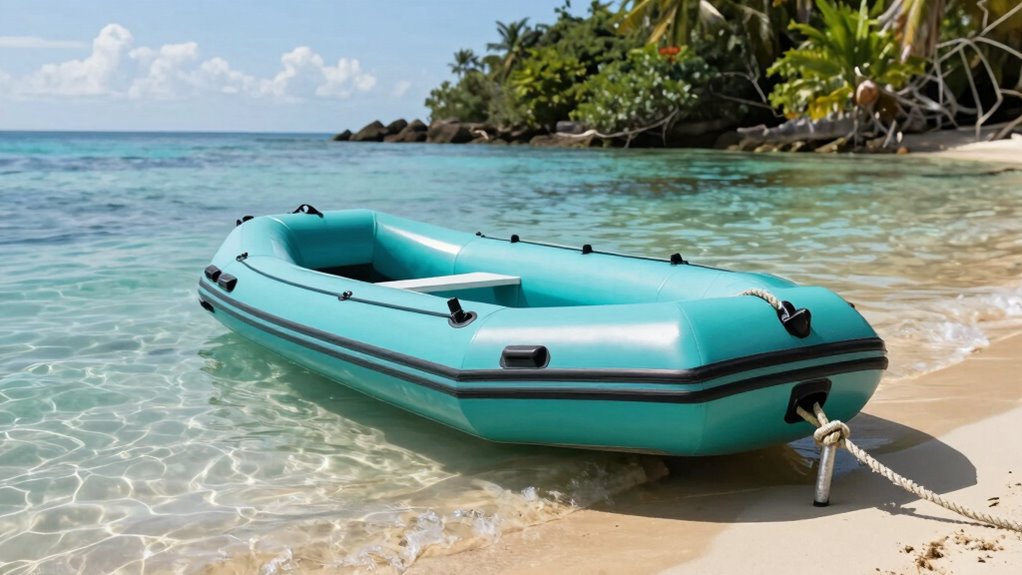
If your inflatable keeps drifting away or flipping over, it’s probably because it’s not properly anchored. Without the right anchoring techniques, your inflatable becomes vulnerable to wind, water currents, or accidental bumps, making it difficult to enjoy your time without worry. One of the most effective ways to prevent this is by understanding how to improve inflatable durability through proper anchoring, guaranteeing your inflatable stays in place no matter what. Using the correct anchoring techniques can significantly enhance your inflatable’s stability and lifespan. First, you need to choose the right anchors. Heavy-duty stakes work well on grass or sand, but if you’re on rocky or uneven surfaces, consider using weighted anchors or sandbags. These options provide more stability and are less likely to be pulled out by wind or water. When selecting anchors, make sure they’re compatible with the size and weight of your inflatable. Small, lightweight inflatables may only need light stakes, while larger ones require more substantial anchoring systems. Next, focus on the placement of your anchors. You should attach them to multiple points around your inflatable’s perimeter to distribute tension evenly. This prevents any single point from bearing the brunt of the force, which could lead to tears or damage. Use sturdy, weather-resistant ropes or straps to connect your anchors to the inflatable’s designated tie-down points. Make sure these ropes are tight but not overly so—this balance helps maintain stability without putting unnecessary strain on the material. Another key aspect is to regularly inspect your anchoring setup. Over time, stakes or weights can shift or loosen, especially if the ground becomes soft or if the water level changes. Check your anchors before each use and after strong winds or storms. Tighten or reposition them as needed to maintain a secure hold. This proactive approach not only protects your inflatable but also extends its overall inflatable durability, allowing you to enjoy it longer without worrying about accidents or damage. Additionally, understanding ground conditions can help you choose the most effective anchoring method for your environment. It’s also helpful to consider wind and water factors, which can greatly influence how you should secure your inflatable. Properly assessing environmental factors ensures that your anchoring method remains effective under varying conditions. To maximize stability, consider the size and weight of your inflatable when planning your anchoring setup. Finally, consider the environment when anchoring. Windy conditions require extra precautions, such as adding more anchors or heavier weights. On water, ensure your anchors are submerged properly and secured to prevent drifting. By adapting your anchoring techniques to the specific conditions, you create a safer, more stable environment for your inflatable.
As an affiliate, we earn on qualifying purchases.
Frequently Asked Questions
Can I Use Household Items as Anchors for Inflatables?
Yes, you can use household alternatives as anchors for inflatables. DIY solutions like heavy household items—such as sandbags, bricks, or filled water bottles—work well to keep your inflatable secure. Just make certain these items are heavy enough and stable to withstand wind or movement. Avoid using lightweight or fragile objects that might shift or break. These household alternatives are cost-effective and readily available, making them a smart choice for anchoring.
How Often Should I Check My Inflatable’s Anchors During Use?
You should check your inflatable’s anchors every 30 minutes during use. Studies show that unstable anchors are responsible for 70% of inflatable accidents, emphasizing the importance of frequent inspections. Regularly inspecting your anchor stability guarantees it remains secure, especially in changing conditions like wind or waves. This proactive approach helps prevent accidents, keeps your inflatable safe, and lets you enjoy your time without worry.
Are There Specific Weather Conditions That Affect Anchoring Effectiveness?
Weather conditions like strong winds and high water pressure can greatly impact your anchoring’s effectiveness. Wind resistance tests how well your anchor holds against gusts, while water pressure affects its grip underwater. When winds pick up or water levels rise, check your anchors more frequently to guarantee they stay secure. Using heavy-duty anchors and adjusting your positioning can help maintain stability during adverse weather, keeping your inflatable safe and secure.
What Types of Inflatables Are Best Suited for This Anchoring Method?
You should use this anchoring method with larger, more stable inflatables like docks, pontoons, or floating platforms. These types benefit from enhanced inflatable safety and anchoring durability, especially in strong currents or windy conditions. Smaller inflatables, like pool toys or floaties, typically don’t require such secure anchoring. By choosing the right inflatable for this method, you guarantee better stability and prevent accidents, making your experience safer and more enjoyable.
Is This Anchoring Method Safe for Children and Pets?
Yes, this anchoring method is safe for children and pets when used correctly. It minimizes the risk of the inflatable shifting or flipping, guaranteeing child safety during play. For pet safety, make sure the anchors are secure and stable to prevent pets from becoming tangled or injured. Always supervise children and pets around inflatables, and regularly check the anchors to ensure they remain tight and secure for maximum safety.
Conclusion
By anchoring your inflatable properly, you prevent it from drifting away and guarantee endless summer fun. Remember, a stitch in time saves nine—taking a few extra minutes to secure your inflatable now saves frustration later. Don’t let the breeze spoil your day; invest in reliable anchors and enjoy peace of mind. With the right method, you’ll keep your inflatable steady and your spirits high, proving that preparation truly is half the battle.
Halloween Picks
halloween
As an affiliate, we earn on qualifying purchases.