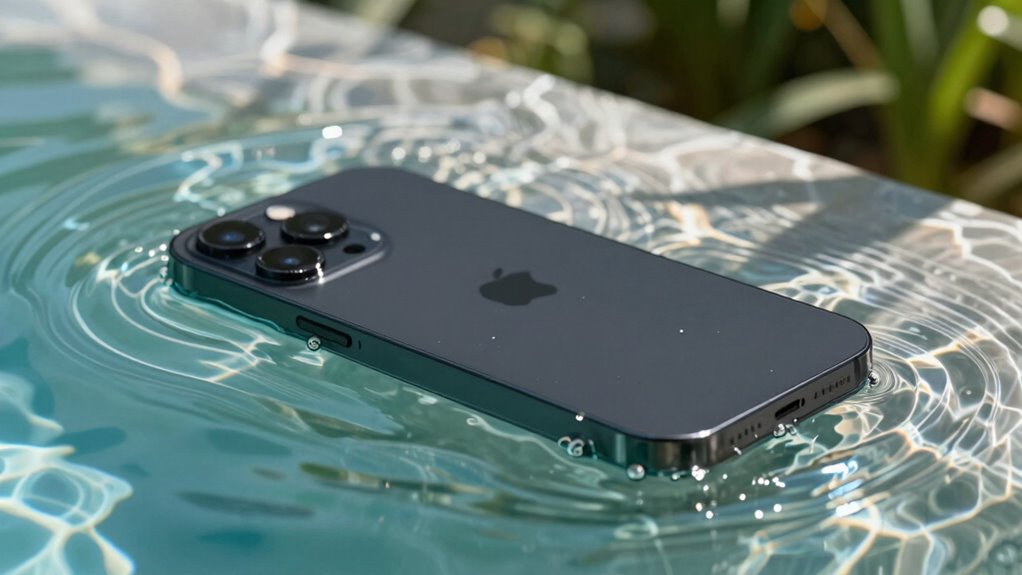

An IP rating shows how well a device resists dust and water, with the first digit indicating dust protection and the second water resistance. For example, IP68 means dust-tight and capable of handling continuous immersion beyond 1 meter, while IP65 only protects against dust and water jets. It’s important to understand these ratings so you don’t overestimate a device’s waterproof abilities. If you keep exploring, you’ll discover what these numbers really mean for your specific needs.

Get decor and gifts delivered free — and shop member deals
- Fast, free delivery on millions of items
- Access to Prime Big Deal Days deals on October 6–7
- Prime Video, Amazon Music and more included
Key Takeaways
- IP ratings specify protection levels against dust (first digit) and water (second digit), clarifying what “waterproof” truly entails.
- The water resistance digit indicates specific tests like jets, spray, or immersion, defining actual device capabilities.
- Ratings like IP67 mean the device can withstand immersion up to 1 meter for 30 minutes, not necessarily unlimited water exposure.
- “Waterproof” can be misleading; IP ratings provide a standardized way to understand real resistance levels.
- Properly interpreting IP ratings helps users select devices suited for their specific environmental conditions.
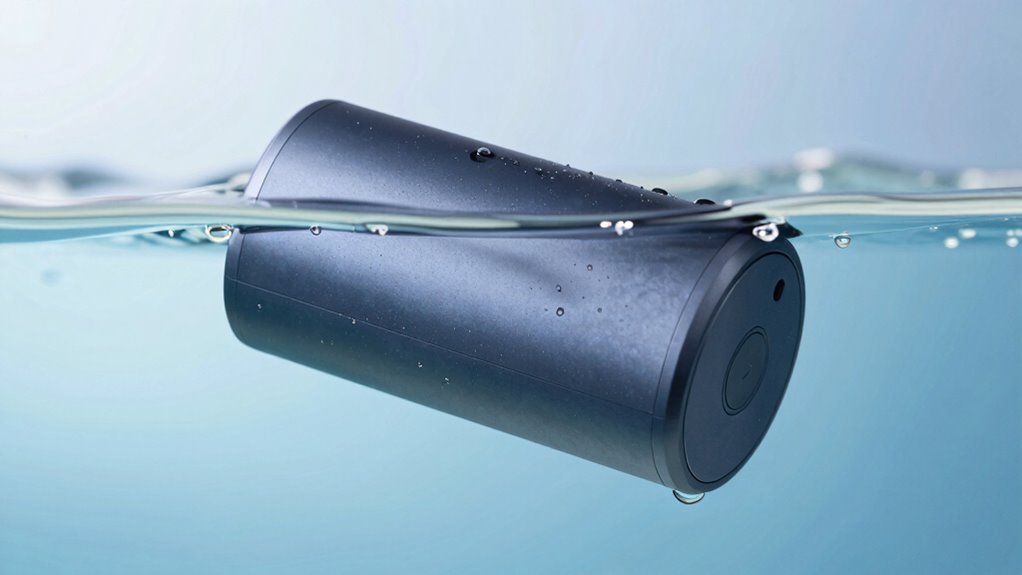
If you’re choosing electronic devices or equipment, understanding IP ratings is essential because they indicate how well the device is protected against dust and water. These ratings serve as a quick reference to assess whether a device can handle specific environments, especially if you plan to use it outdoors or in challenging conditions. At the core, IP ratings are based on durability standards that laboratories have established to ensure consistency and reliability across different products. These standards define the minimum levels of protection devices should offer, so manufacturers conduct rigorous testing procedures to verify compliance.
Testing procedures are designed to simulate real-world scenarios, exposing devices to dust, water, and other elements in controlled environments. For water resistance, manufacturers typically subject devices to water jets, immersion tests, or spray tests, with specified durations and angles. Dust protection is tested by exposing the device to fine particles in a sealed chamber, ensuring that no dust enters the device’s interior. These tests help determine the device’s IP code, which includes two digits. The first digit indicates dust protection, and the second refers to water resistance. For example, an IP68 rating means the device is dust-tight and can withstand continuous immersion in water beyond 1 meter depth.
Understanding these tests helps you grasp what an IP rating truly signifies. A device with an IP65 rating, for example, is protected against dust ingress and can handle water jets from any direction, but it’s not suitable for prolonged immersion. Conversely, an IP67 device can be immersed in water up to 1 meter deep for up to 30 minutes, making it more suitable for swimming or exposure to rain. It’s important to recognize that “waterproof” doesn’t necessarily mean the same across all IP ratings. Devices with lower ratings might resist splashes or brief exposure, but they aren’t designed for submersion or heavy rain. Additionally, understanding testing procedures can help you better interpret the claims manufacturers make about their devices’ resistance. Recognizing the different IP ratings and their meanings can prevent misunderstandings and help you choose the right device for your needs. Moreover, it’s helpful to know that standardized testing ensures that these protection levels are consistent and comparable across various products and brands.
Knowing how these standards are developed and tested also highlights the importance of accurate labeling, ensuring you receive a product that meets the promised protection levels. Ultimately, understanding these standards and testing procedures helps you make smarter choices. You’ll be able to select devices that match your intended use, avoiding disappointment or damage caused by misunderstanding what “waterproof” or “dustproof” really means. Manufacturers’ claims often use vague language, but the IP rating provides a clear, standardized measure of protection. So, whether you’re buying a rugged smartphone, outdoor camera, or industrial equipment, knowing the IP rating and what it guarantees ensures you get a device that can truly withstand the conditions you expect.
As an affiliate, we earn on qualifying purchases.
Frequently Asked Questions
How Often Should I Test My Device’s IP Rating?
You should test your device’s IP rating at least once a year, especially if you frequently expose it to water or moisture. Regular testing guarantees its water resistance remains intact, preventing potential damage. If you notice any cracks or water exposure, conduct a test immediately. Maintaining a consistent testing frequency helps confirm your device’s waterproof capabilities, giving you peace of mind and prolonging its lifespan.
Do All Waterproof Devices Have the Same Durability?
Not all waterproof devices have the same durability. Waterproof materials vary in quality and resistance, and certification processes guarantee they meet specific standards. Some devices withstand submersion longer or at greater depths, while others are only splash-proof. You should check their IP ratings and certifications to gauge durability. Remember, higher IP ratings generally mean better protection, but actual performance depends on the quality of waterproof materials and rigorous testing.
Can an IP Rating Change Over Time?
Yes, an IP rating can change over time due to material degradation and seal integrity loss. As seals age or degrade, water and dust may penetrate more easily, lowering the device’s protection level. Regular maintenance, inspections, and replacing worn seals help uphold the original IP rating. If you notice damage or wear, it’s wise to re-evaluate the device’s waterproofing to confirm it still meets the rated standards.
Is an IP Rating Enough for Extreme Water Conditions?
An IP rating alone might not be enough for extreme water conditions, especially in marine testing environments. While a high IP rating indicates good water resistance, it doesn’t guarantee saltwater resistance or durability under intense conditions. For marine use, look for devices specifically tested for saltwater, corrosion resistance, and extreme pressure. Combining an IP rating with specialized marine testing to confirm your device withstands harsh environments effectively.
How Does Temperature Affect Waterproofing Standards?
Temperature fluctuations can challenge waterproofing standards, making it seem like the waterproof seal is walking a tightrope. When temperatures change rapidly, sealing integrity may weaken, allowing water to seep in despite high IP ratings. You need to evaluate how thermal expansion and contraction affect your device. Proper sealing materials and design help maintain waterproofing performance under extreme temperature conditions, ensuring your equipment stays protected no matter the weather.
Conclusion
Remember, “forewarned is forearmed.” Understanding IP ratings helps you choose devices that truly suit your needs, whether you’re splashing around or braving the elements. Don’t just go by labels—know what each rating guarantees so you don’t get caught off guard. When you’re informed, you’re in control. Protect your gadgets wisely, and they’ll serve you well longer. Keep these insights in mind, and make smarter, safer choices every time.
Fall Picks
fall essentials
As an affiliate, we earn on qualifying purchases.