
To build atmosphere without jump scares, focus on creating a quiet, immersive environment through subtle ambient noises like distant footsteps, whispers, or creaking floors that heighten unease. Control sound layering carefully and use silence strategically to contrast with tense moments, guiding audience emotions gradually. Slow pacing, minimal visual cues, and deliberate lighting shifts keep viewers engaged without revealing too much, making the silent moments more impactful—continue exploring these techniques to master the art of the silent scare.

Get decor and gifts delivered free with Prime
- Fast, free delivery on millions of items
- Prime Video, Amazon Music and more included
- Member-only deals all year
Key Takeaways
- Utilize subtle ambient noises like distant footsteps and creaking floors to create unease without direct visual scares.
- Layer sounds gradually, controlling auditory perception to build tension while maintaining silence for dramatic impact.
- Control pacing by gradually increasing scene rhythm with quicker cuts and lighting shifts, enhancing anticipation.
- Use silence strategically after subtle sounds to heighten visual surprises and intensify the haunting atmosphere.
- Focus on environment design and visual cues, allowing audience imagination to fill gaps and amplify emotional response.
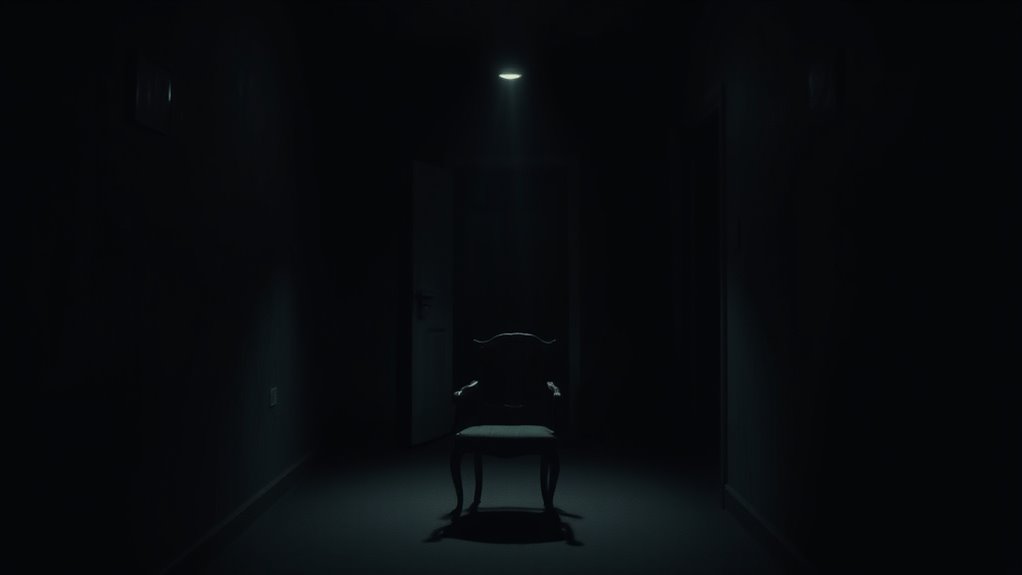
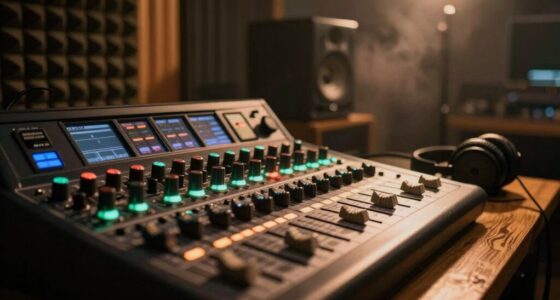
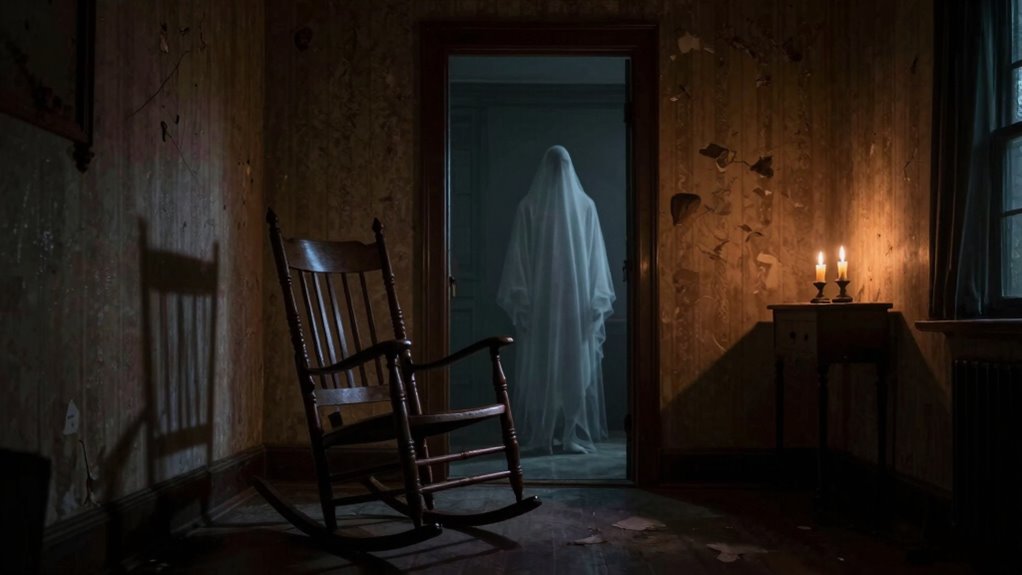
Have you ever wondered how to set up a silent scare that genuinely startles without making a sound? The secret lies in mastering the art of atmosphere creation through careful sound design and pacing techniques. Instead of relying on sudden noises or jump scares, you craft a tense environment that gradually builds anticipation, making the eventual reveal more impactful. Sound design plays a pivotal role here—think about how subtle ambient noises, such as distant footsteps, creaking floors, or faint whispers, can heighten discomfort without ever breaking silence. These sounds should be carefully layered to create a sense of unease, subtly guiding your audience’s emotions without revealing the surprise prematurely. Additionally, understanding how to manipulate auditory perception enhances the effectiveness of silent scares, allowing you to control what the audience hears and interprets. Pacing techniques are equally important in this process. You want to control the rhythm of the scene so that tension steadily escalates. Start with slow, deliberate movements or minimal visual cues, allowing the audience’s imagination to fill in the gaps. As the scene progresses, subtly increase the intensity—perhaps through quicker camera cuts, more persistent ambient sounds, or slight shifts in lighting—to keep viewers on edge. The key is to avoid rushing; instead, you let the atmosphere simmer, making the eventual silent scare feel like a natural culmination of the build-up. When the moment finally arrives, it should seem inevitable, like the culmination of all the tension you’ve carefully cultivated. Another effective technique involves strategic use of silence itself. After a period of heightened sound design, you can suddenly cut all noise, leaving only the visual cues. This silence can be more startling than loud noises because it disrupts the audience’s expectations of auditory cues, forcing them to focus solely on what they see. When combined with pacing techniques that have already increased suspense, this silence amplifies the impact of the reveal. You might also consider playing with the timing of visual surprises, such as a subtle movement or a barely noticeable change in the environment, which becomes more startling when the audience’s auditory senses are temporarily subdued. In essence, creating a silent scare isn’t about absence but about control—controlling what your audience perceives and when. Sound design and pacing techniques work hand-in-hand to craft an immersive experience that makes a silent scare genuinely startling. By carefully layering subtle sounds, gradually increasing tension, and strategically using silence, you can evoke genuine fear and surprise without ever raising your voice or making a loud noise. It’s a delicate balance, but when executed skillfully, it leaves a lasting impression that’s both haunting and profoundly effective.
ambient sound machine for horror movies
As an affiliate, we earn on qualifying purchases.
As an affiliate, we earn on qualifying purchases.
Frequently Asked Questions
How Do Sound Design Choices Affect Silent Scare Effectiveness?
Sound design choices greatly influence silent scare effectiveness by using ambient noise and silence manipulation to create tension. You can amplify unease by subtly altering background sounds, making the silence feel oppressive or unpredictable. Carefully crafted ambient noise builds atmosphere, while intentional silence manipulation heightens anticipation. This approach keeps viewers on edge, relying on sound cues instead of jump scares to evoke fear, making the silent scare more immersive and impactful.
What Lighting Techniques Enhance the Silent Scare Atmosphere?
You should flood your scene with shadowy silhouettes and dim ambient lighting to craft an eerie atmosphere. Use high contrast lighting to cast long, unsettling shadows that seem to stretch and breathe. Incorporate flickering or uneven lighting to create unpredictability, keeping viewers on edge. These techniques make the environment feel alive, mysterious, and tense—perfect for silent scares that build dread without loud shocks.
How Can Pacing Influence Audience Tension Without Jump Scares?
You can influence audience tension through pacing by mastering timing and suspense buildup. Slow, deliberate pacing allows you to stretch moments, creating anticipation that keeps viewers on edge. Quickening the rhythm at strategic points heightens unease, while deliberate pauses build suspense. By skillfully controlling timing, you guide your audience’s emotional response, making the silent scare more impactful without relying on jump scares. This technique keeps viewers engaged and amplifies the atmosphere.
What Role Does Environmental Storytelling Play in Silent Scares?
Environmental storytelling plays a vital role in silent scares by immersing you through subtle ambient sounds and visual cues. You notice creaking floors or distant whispers that build unease, while visual hints like flickering lights or shadowy figures suggest hidden dangers. These cues create a tense atmosphere, guiding your emotions gradually without needing jump scares, making the experience more intense and believable as you piece together the story through your environment.
How Do Character Development and Dialogue Contribute to Atmosphere?
You enhance atmosphere by developing character arcs and using dialogue to reveal emotional depth. When your characters face internal struggles or reveal vulnerabilities, it creates a sense of intimacy and tension that draws players in. Through subtle dialogue, you can hint at unseen dangers or past traumas, building suspense without jumpscares. This emotional connection makes the environment feel more immersive and unsettling, amplifying the silent scare’s power.
Conclusion
You might think quiet scares lack impact, but when you master the silent setup, you create tension that lingers long after. No loud noises or quick jumps are needed—just atmosphere and subtle cues. This approach keeps players on edge, making every shadow feel threatening. So, don’t dismiss the power of silence; it’s your secret weapon for genuine, memorable fear. Trust me, a silent scare can be far more unsettling than any scream.
Halloween Picks
halloween
As an affiliate, we earn on qualifying purchases.