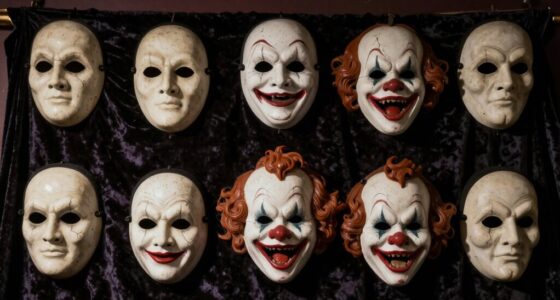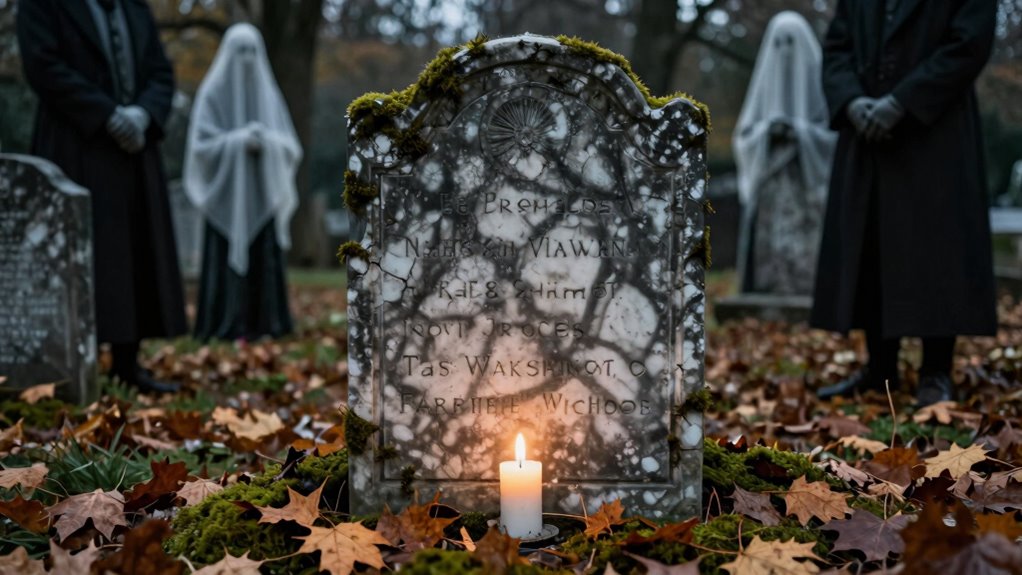

Movies often strip away the deep cultural and historical meanings behind memento mori symbols like skulls, hourglasses, and wilting flowers, reducing them to simple visual motifs. These symbols once carried layered messages about mortality, humility, acceptance, and spiritual warning, shaped by centuries of tradition. They weren’t just Gothic decorations but meaningful lessons about life’s fleeting nature. If you explore further, you’ll discover how these symbols connect communities’ beliefs and how their true significance continues to influence modern stories.

Get decor and gifts delivered free with Prime
- Fast, free delivery on millions of items
- Prime Video, Amazon Music and more included
- Member-only deals all year
Key Takeaways
- Films often ignore the deep historical and cultural meanings behind memento mori symbols, reducing them to mere aesthetics.
- They frequently omit the moral lessons and societal attitudes toward death conveyed by these symbols historically.
- Modern movies tend to overlook the symbolism’s role in encouraging virtues like humility, acceptance, and mindfulness.
- The evolving interpretations and layered religious or philosophical significance of memento mori are rarely explored in film.
- Contemporary narratives often romanticize or simplify death symbols, missing their complex cultural and historical contexts.
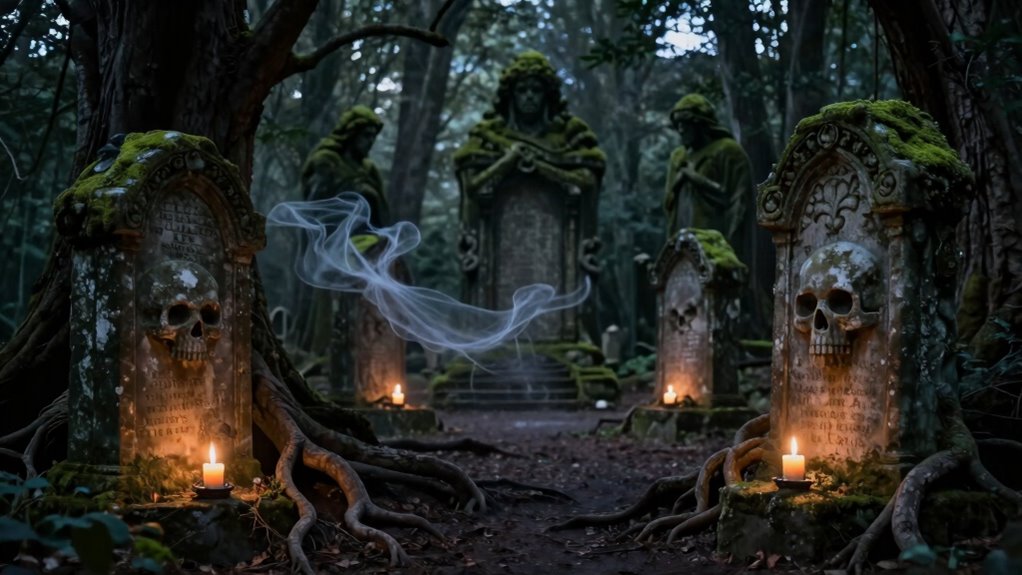
Have you ever wondered how the idea of mortality has shaped legends and stories throughout history? It’s a theme that runs deep, influencing everything from ancient art to modern cinema. When you look at memento mori symbols—those reminders of death—you’re tapping into a powerful form of historical symbolism. These symbols, like skulls, hourglasses, and wilting flowers, weren’t just morbid decorations; they served as visual prompts to reflect on life’s fleeting nature. But these symbols didn’t exist in a vacuum. They carried different meanings across cultures, highlighting the rich tapestry of cultural variations. For example, in medieval Europe, memento mori was meant to remind people of the inevitability of death, encouraging virtuous living and humility. In contrast, some Eastern traditions used symbols of death to signify the cycle of life and rebirth, emphasizing acceptance rather than fear. These cultural variations show that the concept of mortality isn’t universal in how it’s perceived or symbolized, yet it always serves as a reminder of life’s impermanence. Moreover, the evolution of these symbols over centuries demonstrates how societies have adapted their attitudes toward death, blending reverence, fear, and acceptance into their cultural narratives. Understanding these cultural symbolisms helps us appreciate how different societies process and communicate their views on mortality, shaping legends and rituals over time. The way societies interpret and adapt these symbols reveals much about their underlying values and beliefs related to life and death. Recognizing the historical significance of these symbols allows us to see how they continue to influence modern storytelling and visual culture. Movies often romanticize or simplify these themes, but they tend to leave out the deeper cultural and historical contexts that give memento mori legends their richness. When you watch a horror film or a gothic story, you might see skulls or skeletons as mere aesthetic devices, but in history, these symbols carried layered meanings. They weren’t just reminders of death—they were calls to live consciously, to cherish each moment, and to prepare for what’s inevitable. Many legends and stories used these symbols to serve as warnings or moral lessons, often intertwined with religious beliefs or philosophical ideas about the soul’s journey after death. What movies usually skip is how these symbols evolve over centuries, adapting to cultural shifts, and how they embody different attitudes toward mortality. Some cultures celebrate death as a transition rather than an end, and their legends reflect this belief, turning the concept into a rite of passage rather than a final curtain. These diverse perspectives highlight the importance of understanding the historical context behind such symbols to fully grasp their significance across different cultures. Recognizing the symbolic meanings associated with these images enriches our understanding of their role in shaping cultural narratives about mortality.
As an affiliate, we earn on qualifying purchases.
Frequently Asked Questions
Are There Real Legends Behind the “Memento Mori” Symbols?
Yes, real legends underpin the “memento mori” symbols, rooted in historical context that emphasizes life’s fleeting nature. In symbolism analysis, skulls, hourglasses, and decay remind you to cherish mortality. These symbols originate from medieval times, where stories and legends used them to teach humility and reflection. You’ll find these motifs in art and literature, carrying deep cultural meanings that have persisted through centuries, emphasizing the universal truth of mortality.
How Do Different Cultures Interpret Memento Mori Traditions?
You see that different cultures interpret memento mori traditions through unique cultural symbolism and death rituals. In Western societies, skulls and hourglasses serve as reminders of mortality, encouraging reflection on life’s fleeting nature. In Mexico, Day of the Dead celebrations honor ancestors with vibrant altars. Meanwhile, in Japan, Buddhist rituals emphasize acceptance of death as part of life’s cycle. These diverse interpretations highlight how cultural symbolism shapes each society’s approach to mortality.
Which Films Most Accurately Depict Memento Mori Themes?
You’ll find that films like *The Seventh Seal* and *Ikiru* most accurately depict memento mori themes through vanitas symbolism and existential reflections. These movies confront mortality directly, reminding you of life’s fleeting nature. They use stark imagery and introspective narratives to encourage viewers to ponder their existence and the transient beauty of life, making the memento mori message resonate powerfully on a personal level.
What Psychological Effects Do Memento Mori Legends Have on Viewers?
You’re likely to feel profoundly impacted, as memento mori legends shake your core beliefs, sparking a whirlwind of mindfulness reflection and heightened existential awareness. These stories often evoke a sense of urgency, urging you to confront mortality directly. The psychological effects can be intense—ranging from fear to motivation—prompting you to cherish fleeting moments and re-evaluate life’s priorities with every heartbeat, making mortality feel like an unstoppable force.
Are There Modern Adaptations of Memento Mori in Popular Media?
Yes, modern media often incorporates memento mori themes through meditative reflections and philosophical debates. You might see this in films, TV shows, or literature that challenge characters and viewers to confront mortality. These adaptations encourage deep thinking about life’s fleeting nature, prompting you to reflect on your own existence. They serve as a reminder to cherish each moment, fostering a more mindful approach to everyday life and mortality.
Conclusion
As you walk through the shadows of these legends, remember that they’re like the silent, watchful statues in an ancient cathedral—excluding the whispers of mortality they hide. Just as the moon’s face reveals only part of the night, these movies leave out the full story, reminding you that beneath their surface, life’s fleeting nature lurks in every frame. Embrace the unseen truths, for in death’s quiet presence, life’s true meaning quietly unfolds.
Columbus Day / Indigenous Peoples' Day Picks
long weekend sales
As an affiliate, we earn on qualifying purchases.