

You often hear “rest in peace” because it’s rooted in centuries-old funeral customs and religious beliefs that honor the dead and offer comfort to the living. The phrase comes from Latin—“requiescat in pace”—and became popular during medieval times through prayers and rites. It reflects societal values about dignity and eternal rest, serving as a respectful way to memorialize loved ones. To discover more about its cultural and historical significance, keep exploring how language shapes our memories and traditions.
Key Takeaways
- The phrase “Rest in Peace” originates from Latin “requiescat in pace,” a prayer for eternal tranquility.
- It reflects religious and cultural beliefs about honoring the dead and offering comfort.
- Graveyard language embodies historical customs that express respect, dignity, and remembrance.
- Such phrases connect generations, preserving societal values about mortality and afterlife.
- Using “Rest in Peace” serves as a respectful, shared wish for the deceased’s peaceful repose.

Many people are unaware that “graveyard language” refers to the specialized terminology and jargon used by cemetery workers, historians, and enthusiasts. This language isn’t just about tradition; it carries deep roots in funeral customs and historical origins that shape how we talk about death today. When you hear phrases like “rest in peace,” you’re tapping into a long-standing tradition that dates back centuries, influenced by religious beliefs, societal norms, and evolving funeral practices. These customs have been passed down through generations, embedding specific words and phrases into our vocabulary that help us honor the dead and comfort the living.
Graveyard language reflects centuries of funeral customs, history, and societal beliefs shaping how we honor the dead today.
The phrase “rest in peace” itself originates from Latin—”requiescat in pace”—which became a common prayer for the deceased during the early Christian era. It was meant to wish eternal tranquility upon the departed, reflecting the religious belief in an afterlife where souls find peace. Over time, this phrase was incorporated into funeral customs across different cultures, becoming a standard expression of respect and hope for the soul’s repose. Its usage grew in popularity during medieval times when religious rites and prayers played a central role in funeral ceremonies, and the language used was tailored to convey reverence and spiritual assurance.
Understanding the historical origins of funeral customs can help you appreciate the significance behind the words and phrases used at gravesides or in memorials. For instance, terms like “grave,” “tomb,” or “monument” aren’t just physical descriptions—they’re steeped in history, reflecting how cultures have historically marked the resting places of the dead. Many of these terms originate from Latin, Greek, or Old English, revealing how different societies approached death and remembrance. The language used in funeral customs often mirrors societal attitudes toward mortality, the afterlife, and the importance placed on memorialization.
As you explore graveyard language, you’ll notice that it serves a purpose beyond mere tradition. It provides a shared vocabulary that conveys respect, comfort, and spiritual beliefs. Whether it’s a headstone inscribed with a meaningful phrase or funeral rites that include specific prayers, each element is rooted in centuries of history and cultural practice. This specialized language helps us connect with our ancestors’ customs and understand the evolving ways societies honor those who have passed. Additionally, funeral terminology often reflects the societal values and beliefs about death that have been shaped over time, illustrating how language acts as a window into cultural history. Ultimately, the words we choose—like “rest in peace”—carry profound historical and cultural significance, serving as enduring symbols of dignity and remembrance across generations.

FYEXNHF Rest in Peace Tribute Memorial Wooden Hanging Sign Plaque Rustic Wall Art Porch Door Home Decor 12×8 Inch
Perfect Size: Each wooden door plaque measures 12 x 8 inches, ideal for various house wall decor display…
As an affiliate, we earn on qualifying purchases.
As an affiliate, we earn on qualifying purchases.
Frequently Asked Questions
When Did the Phrase “Rest in Peace” First Originate?
You might be interested to know that the phrase “rest in peace” originated in the 8th or 9th century, rooted in Christian religious significance. Its historical origins are tied to prayers for deceased souls, emphasizing eternal peace. Over time, it became a common inscription on gravestones, symbolizing hope for the departed’s spiritual rest. Its enduring use reflects a universal wish for tranquility beyond life, blending tradition with spiritual comfort.
Are There Variations of “Rest in Peace” in Different Cultures?
You’ll find that cultural expressions for “rest in peace” vary like colors on a palette across the world. In some cultures, phrases like “may your soul find peace” or “sleep in eternal light” serve the same purpose, highlighting linguistic differences. These variations reflect deep respect for the departed, showing that while words differ, the sentiment remains universal. Exploring these differences reveals how language shapes our mourning rituals worldwide.
How Has the Phrase Evolved Over Centuries?
You’ll find that “Rest in Peace” has evolved from its historical origins in Latin and early Christian prayers, emphasizing eternal peace. Over centuries, the phrase’s linguistic evolution reflects changing attitudes towards death and the afterlife, shifting from formal religious contexts to common expressions of condolence. Today, it’s a cultural staple, symbolizing hope for the departed’s peaceful rest while maintaining its roots in centuries-old traditions.
Do Other Languages Have Equivalent Expressions?
Yes, many languages have equivalents to “Rest in Peace” rooted in their funeral customs and linguistic origins. For example, in Spanish, people say “Que en paz descanses,” while in Arabic, they say “Inna lillahi wa inna ilayhi raji’un,” reflecting Islamic traditions. These expressions often convey a wish for the deceased’s peaceful afterlife, showing how funeral customs shape language across cultures.
Why Is “Rest in Peace” Still Commonly Used Today?
You often hear “Rest in Peace” today because funeral customs and historical phrases hold deep cultural significance. It’s a respectful way to wish eternal peace for the departed, reflecting centuries of tradition. This phrase endures because it conveys comfort and hope to the grieving, connecting modern practices with historical expressions. Its continued use preserves a sense of reverence and continuity in honoring loved ones who have passed away.

Copy King Funeral Memorial Prayer Cards – Personalized Photo and Prayer – 50 Cards
Custom Personalization: Custom printed with photo, name, dates and prayer
As an affiliate, we earn on qualifying purchases.
As an affiliate, we earn on qualifying purchases.
Conclusion
So, next time you say “rest in peace,” remember you’re basically telling the deceased to take a long nap without any interruptions—like a celestial vacation that no one wants to end. It’s amusing how a phrase so simple packs centuries of tradition and a dash of poetic politeness. So go ahead, wish the dearly departed eternal snoozing, and maybe, just maybe, avoid waking them with bad puns or loud neighbors. Sleep tight, forever.
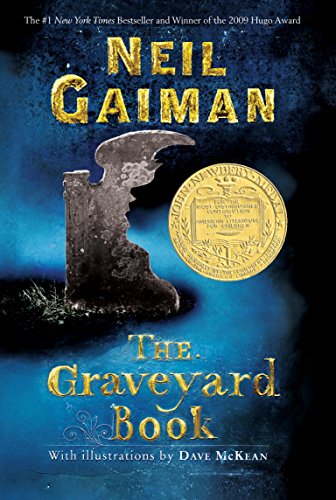
The Graveyard Book: A Newbery Award Winner
As an affiliate, we earn on qualifying purchases.
As an affiliate, we earn on qualifying purchases.

Personalized-Pets-by-StockingFactory Memorial Headstone for Outdoors | Tombstone for Cemetery | Weatherproof Grave Marker | Memorial Cross | Yard Plaque | Decorations for Celebration of Life
We extend our heartfelt condolences for the loss of your loved one. During this time of bereavement, may…
As an affiliate, we earn on qualifying purchases.
As an affiliate, we earn on qualifying purchases.