Many stories about witch trials are myths that distort what really happened. These legends often exaggerate hysteria, devil worship, and mass executions, but history shows a more complex picture. Accusations often came from local disputes or social tensions, and not all trials were frenzied hunts. Most accused were women, but men also faced accusations. To truly understand this turbulent period, you need to cut through the sensational tales and uncover the facts behind the legends. Keep exploring to discover more.

Get decor and gifts delivered free — and shop member deals
- Fast, free delivery on millions of items
- Access to Prime Big Deal Days deals on October 6–7
- Prime Video, Amazon Music and more included
Key Takeaways
- Many legends exaggerate hysteria, but actual trials varied greatly by region and context.
- Myths often overlook the legal processes and evidence involved in genuine cases.
- Not all accused were innocent victims; some cases followed formal legal standards.
- Gender bias influenced accusations, but men were also sometimes targeted.
- Recognizing myths reveals the complexity and social factors behind the witch trials.
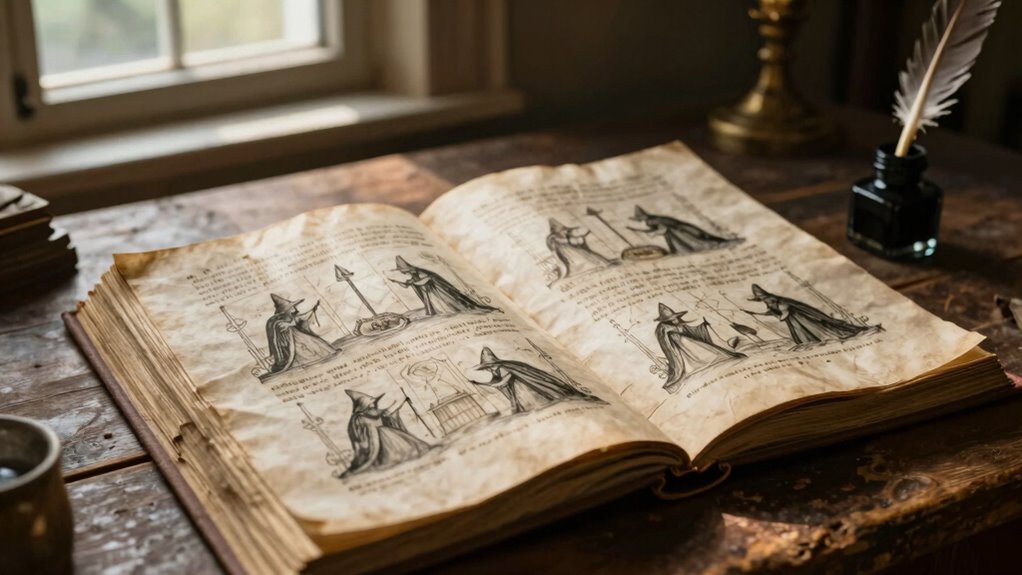
Many people have a distorted view of the witch trials, often based on exaggerated myths rather than historical facts. These misconceptions have been passed down through generations, shaping what many believe about these dark periods in history. It’s easy to fall into the trap of accepting sensational stories that emphasize hysteria, devil worship, or mass paranoia without understanding the real context. But if you look past the myths, you’ll discover a much more complex reality that often contradicts modern misconceptions. For instance, popular stories tend to portray the trials as a frenzied hunt where innocent women were unjustly accused and burned at the stake. While some executions did happen, the truth is that the witch trials varied widely depending on the region, the social climate, and the legal procedures in place. Many accusations stemmed from local disputes, economic tensions, or religious conflicts, not just mass hysteria. The idea that everyone was blindly accused or that trials were conducted without evidence oversimplifies what was often a formal process with specific legal standards. These details are frequently lost in the retellings, leading to historical inaccuracies that distort the scope and nature of the events. Modern misconceptions also include the belief that the entire episode was driven solely by misogyny or religious fanaticism. While gender bias played a role—most accused witches were women—it’s an oversimplification to suggest that all accusations were rooted only in misogyny. Some men were accused too, and many cases involved complex social dynamics. The narrative that the trials were simply a case of mass hysteria often ignores the fact that many accused individuals genuinely believed they were practicing witchcraft or were caught in webs of local suspicion and fear. Recognizing the influence of social and political factors is crucial for understanding the full picture. If you want to understand the trials accurately, you need to recognize these nuances. The legends have often exaggerated or distorted facts, leading to a skewed perception of what actually happened. These myths serve more as cautionary tales than accurate historical accounts. By questioning the popular stories and seeking out primary sources, you can separate fact from fiction. Remember, the real history is far richer and more complicated than the simplified legends that continue to circulate. Dispelling these myths helps you appreciate the true complexity of the events, providing a clearer, more truthful picture of a turbulent time.
historical books on witch trials
As an affiliate, we earn on qualifying purchases.
As an affiliate, we earn on qualifying purchases.
Frequently Asked Questions
Were There Any Actual Witch Trials Outside Europe?
Yes, there were actual witch trials outside Europe, driven by medieval superstition and fear. In places like North America and parts of Africa, communities accused individuals of witchcraft, often fueled by judicial errors and social tensions. These trials, while less documented than European ones, led to accusations, imprisonments, and executions. Your awareness of these events helps dispel myths and highlights the widespread impact of superstition and judicial mistakes across different regions.
How Many People Were Truly Executed During the Witch Hunts?
Approximately 40,000 to 60,000 people faced execution during witch hunts, driven by dangerous witchcraft accusations and flawed judicial procedures. While numbers vary, you’ll find that the tragic tally reflects hysteria and harsh punishments. You can picture frightened communities, frantic accusations, and courtrooms filled with suspicion. These judicial procedures often lacked fairness, leading to wrongful convictions. Despite myths, the real death toll is a sobering proof to fear-fueled injustice.
Did Mass Hysteria Cause the Witch Trials?
Yes, mass hysteria caused the witch trials, fueled by superstitious beliefs and political motivations. You can see how fear and paranoia spread quickly among communities, leading to accusations and trials. Authorities often exploited these fears to strengthen their power, while superstitions made innocent people vulnerable to accusations of witchcraft. This combination created a toxic environment where hysteria thrived, causing many to suffer unjustly.
What Role Did Gender Play in Accusations?
Gender dynamics heavily influenced accusations during the witch trials, as societal perceptions often targeted women perceived as vulnerable or non-conforming. You’ll notice that women, especially those who defied norms, were more vulnerable to suspicion and accusations. Men were rarely accused, reflecting societal views that associated women with superstition and moral weakness. This gender bias reinforced existing power structures, making women scapegoats in times of social unrest and fear.
Are Any Witch Trial Artifacts Preserved Today?
You’ll find that some witch trial artifacts, like court documents, shackles, and personal items, are preserved today, helping us understand that dark history. Remarkably, only about 10% of these artifacts survive, yet they shape our cultural memory. These relics serve as tangible links to the past, reminding us of the hysteria and injustice, and ensuring that the lessons learned remain part of our collective consciousness.
Conclusion
So, next time you hear about the witch trials, remember how easily myths can take hold—like a whisper in the wind that shapes history. It’s strange how facts and legends intertwine, almost as if fate plays a hand in what we believe. Coincidences blur truth, reminding you to question what’s told and seek the real story beneath the surface. After all, history often hides more than it reveals, waiting for you to uncover it.
Fall Picks
fall essentials
As an affiliate, we earn on qualifying purchases.