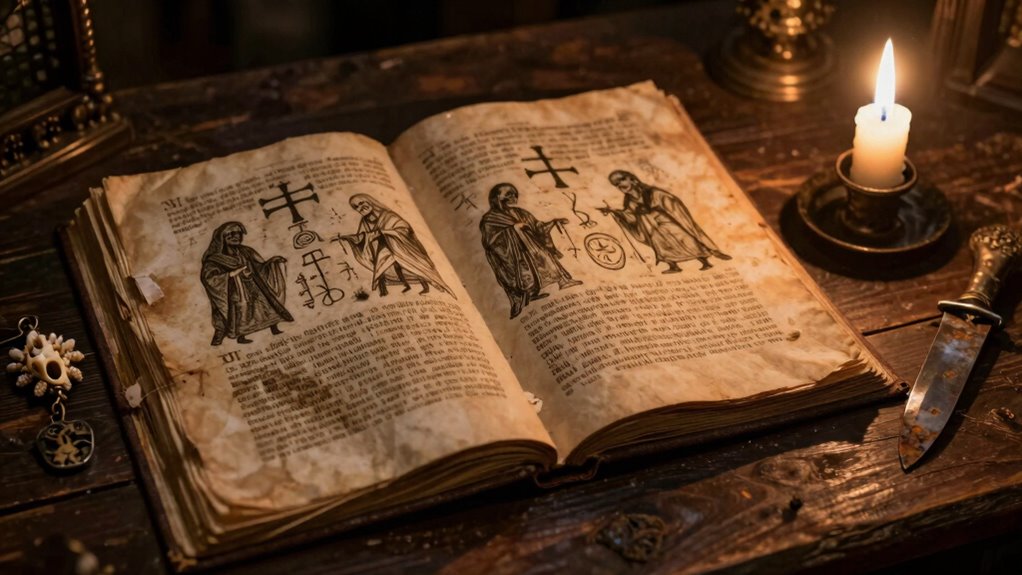

The true origins of zombies are much older and deeper than horror movies suggest. They come from West African and Haitian spiritual traditions, where rituals performed by shamans or priests aimed to control or influence souls, not create monsters. These practices involved powders and ceremonies that could make someone appear dead or enslaved, symbolizing societal fears and spiritual struggles. To understand how these beliefs evolved into modern stories, keep exploring the rich cultural history behind them.

Get decor and gifts delivered free with Prime
- Fast, free delivery on millions of items
- Prime Video, Amazon Music and more included
- Member-only deals all year
Key Takeaways
- Zombies originate from ancient voodoo and spiritual practices in Haiti and West Africa, predating modern horror stories.
- Ritual powders and ceremonies were used to temporarily render individuals powerless or enslaved, not to create monsters.
- Early beliefs focused on spiritual influence, soul manipulation, and societal control, not flesh-eating or mindless creatures.
- Western misconceptions sensationalized voodoo practices, turning complex rituals into stereotypical horror tropes.
- Modern zombie stories are rooted in these cultural fears and spiritual traditions, often disconnected from their original meaning.
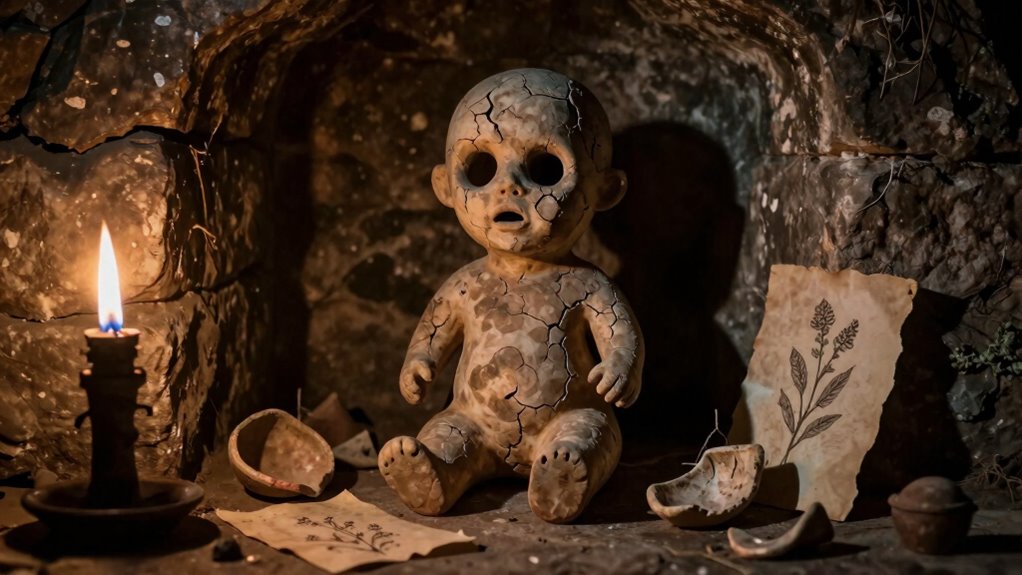
Many people associate zombies with modern horror movies and folklore, but their true origins trace back to ancient practices and beliefs. Long before Hollywood turned them into mindless monsters, zombies had deeper cultural roots, especially tied to voodoo practices and spiritual traditions. In Haiti and parts of West Africa, the concept of zombies was linked to rituals performed by shamans or voodoo priests, who were believed to have the power to influence or even control a person’s mind. These practices weren’t about creating monsters but about spiritual control, curses, and the belief that the soul could be manipulated through specific rituals. This spiritual aspect of voodoo was often misunderstood and misrepresented, leading to widespread cultural misconceptions about what zombies truly were.
You might think zombies are just undead beings craving flesh, but historically, they were seen as living people rendered powerless or enslaved through mystical means. The idea of turning someone into a zombie involved more than just the physical act; it was deeply tied to beliefs about death, rebirth, and the soul. Practitioners of voodoo, for example, used various powders and rituals, which sometimes resulted in a person appearing dead or unresponsive, only to be revived later. This process was often misunderstood by outsiders, who viewed it as outright magic, fueling misconceptions that cast voodoo practices as sinister or malevolent. In reality, many of these rituals aimed to protect the community or serve spiritual purposes, not to create monsters.
Throughout history, Western cultures often misinterpreted or sensationalized these practices, reinforcing stereotypes of zombies as mindless, flesh-eating creatures. This cultural misconception obscured the original context, which was more about spiritual control and societal fears of loss of autonomy. It’s important to recognize that these beliefs stem from complex cultural and religious traditions, not just horror stories. The idea that a person could be turned into a zombie through a voodoo ritual is rooted in real practices, even if exaggerated or distorted over centuries. Moreover, the spiritual control and societal implications behind these rituals reflect a rich cultural heritage that extends beyond mere superstition. These practices often involved ritualistic symbolism that conveyed deeper societal meanings, emphasizing the importance of community and spiritual balance. Additionally, understanding the cultural context helps clarify misconceptions and appreciate the historical significance of these beliefs. So, when you hear about zombies today, remember they’re not just fictional monsters—they originally represented fears, spiritual beliefs, and cultural misunderstandings that have persisted long before they appeared in movies and popular culture.
Popular right now

Vitamix Propel Series 750 Professional-Grade Blender, 4 Programs, Black

Sony WH-1000XM6 Wireless Noise-Canceling Over-Ear Headphones, Blue, Bundle

Shark Rocket Pet Plus Corded Stick Vacuum, Bordeaux, HV322
As an affiliate, we earn on qualifying purchases.
Frequently Asked Questions
How Did Zombies Become Popular in Modern Horror Media?
You see, zombies became popular in modern horror media through a mix of Voodoo practices and cultural symbolism. Filmmakers and writers drew on these elements to craft terrifying stories, transforming zombies into symbols of mind control and societal fears. This blend of folklore and cultural themes resonated with audiences, making zombies iconic figures in horror, embodying themes of loss of autonomy, dread, and the unknown.
Are There Any Real-World Cultures That Believe in Actual Zombies?
You might think zombies are just fiction, but some cultures truly believe in their existence. In Haitian Voodoo practices, the idea of zombies symbolizes the loss of individuality and cultural symbolism. These beliefs stem from ancient fears and spiritual traditions, where certain rituals supposedly bring the dead back to life or control their will. While scientifically unproven, these beliefs hold deep cultural significance, blurring the line between myth and reality.
What Are the Scientific Explanations Behind Zombie-Like Behavior?
You might be surprised, but scientific explanations for zombie-like behavior include viral infections and brain parasites. For instance, certain viruses can alter your brain function, making you act strangely or lose control. Brain parasites, like the toxoplasma gondii, infect hosts and manipulate their behavior to spread more effectively. These biological factors can cause symptoms similar to what people imagine as zombie behavior, showcasing how science can explain some of these eerie phenomena.
How Has the Portrayal of Zombies Evolved Over Centuries?
Zombies’ portrayal has shifted from sinister slaves of voodoo origins to sensationalized symbols in stories and films. Over centuries, folklore variations transformed their traits, from mindless monsters to complex characters. You see this evolution in how zombies embody fears, morality, and societal shifts, reflecting changing cultural concerns. Today, they symbolize everything from consumerism to apocalyptic anxieties, showcasing a fascinating transformation from traditional voodoo origins to modern mythic monsters.
Do Zombies Appear in Ancient Mythologies Outside of the Caribbean?
Yes, zombies appear in ancient mythologies outside the Caribbean, often linked to Voodoo practices and cultural symbolism. In Haitian and West African traditions, you see spirits or reanimated beings embodying themes of control, death, and rebirth. These stories reflect deeper cultural beliefs about life and the afterlife, illustrating how the concept of zombies spans different societies, serving as powerful symbols of fear, power, and spiritual influence.
Conclusion
Now that you know the true roots of zombies go way beyond horror movies, you see how history and culture shape our fears. It’s a reminder that sometimes, what we dread most has deep, unexpected origins. Understanding this can change how you perceive these legends, showing they’re more than just tales—they’re echoes of the past. So, don’t dismiss old stories; they often hold truths waiting to be uncovered beneath the surface.