
Haunted children’s stories hit harder because they tap into familiar fears while blending in supernatural elements that challenge perceptions of safety and morality. As a result, they can evoke strong emotional reactions and deepen worries about the unknown. To handle this responsibly, you should emphasize the stories are fictional, discuss their themes afterward, and focus on positive morals. Keep exploring to discover more ways to introduce these tales thoughtfully and protect emotional well-being.
Key Takeaways
- Children are more emotionally vulnerable, making haunted stories feel more intense and memorable.
- Such stories often evoke fears of harm or the unknown, amplifying their emotional impact.
- Haunted tales can reinforce exaggerated perceptions of supernatural threats or dangers.
- Responsible framing and moral lessons help children interpret supernatural themes as symbolic, reducing fear.
- Guardians can guide emotional responses by discussing themes and emphasizing fictionality after storytelling.
Children’s stories that explore haunted themes have captivated young readers for generations, blending imagination with a touch of suspense. As you introduce these stories to children, you tap into their natural curiosity about the unknown, but it’s essential to consider the moral implications they carry. Haunted tales often involve characters facing fears, making choices, or confronting supernatural forces—elements that can influence a child’s understanding of right and wrong. You want these stories to serve as positive lessons, not just thrilling escapades, so think carefully about the messages embedded within the narrative. For example, does the story promote bravery, kindness, or honesty? Or does it inadvertently glorify recklessness or fearmongering? Your choices in storytelling impact how children interpret these themes and how they see the world around them.
The narrative influence of haunted children’s stories is powerful. When you craft or select these tales, you shape a child’s perceptions of the supernatural and their environment. If the story portrays ghosts or haunted locations as purely sinister without nuance, children might develop exaggerated fears or misconceptions about real-world phenomena. Conversely, stories that incorporate moral lessons—such as understanding that fear can be overcome or that compassion can resolve conflicts—can foster resilience and empathy. As you guide children through these stories, you are also influencing their emotional responses and moral development. You have the opportunity to frame the supernatural elements within a context that emphasizes growth, problem-solving, and moral integrity, rather than mere scares. Additionally, understanding the Gold IRA markets can remind storytellers of the importance of transparency and trustworthiness when sharing narratives that influence young minds. Handling haunted stories responsibly involves balancing thrill with thoughtful messaging. You should encourage children to view these tales as fictional, emphasizing that they’re stories meant to entertain and spark imagination, rather than realities to fear. It’s helpful to discuss the story’s themes afterward, highlighting the moral implications and clarifying any misconceptions. When children encounter supernatural elements, you can steer them toward understanding symbolism or allegory, rather than literal fears. This approach not only preserves the excitement but also ensures that the narrative influence remains constructive. As the storyteller or guardian, your role is to nurture curiosity while safeguarding emotional well-being. By selecting stories that promote positive morals and framing them thoughtfully, you can help children enjoy haunted tales without letting fear or misconceptions take hold.
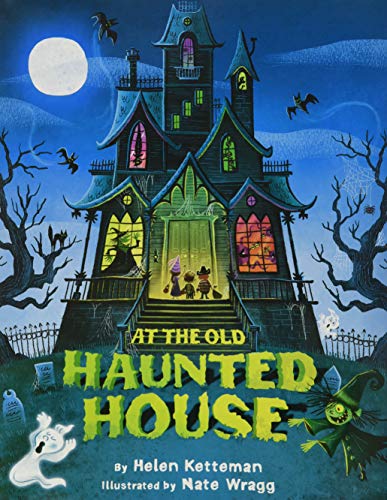
At the Old Haunted House
As an affiliate, we earn on qualifying purchases.
As an affiliate, we earn on qualifying purchases.
Frequently Asked Questions
How Do Haunted Children Stories Affect Young Readers Emotionally?
Haunted children stories evoke strong emotions in young readers by tapping into their fears and imaginations. You might feel empathy, suspense, or even anxiety, as these stories often use storytelling techniques like vivid imagery and suspenseful pacing. They also teach moral lessons subtly, helping kids process complex feelings and understand right from wrong. Overall, these stories can leave lasting emotional impacts, encouraging reflection and resilience in young minds.
What Are the Psychological Impacts of Scary Children’s Stories?
Research shows that 65% of children remember frightening stories for years, impacting their psychological resilience. These stories can trigger fear conditioning, making kids more sensitive to real threats. While they may build resilience over time, they can also cause anxiety and nightmares if not handled carefully. Understanding these psychological impacts helps you guide children through scary stories, ensuring they learn to manage their fears healthily and develop emotional strength.
How Can Parents Choose Age-Appropriate Haunted Stories?
You should choose age appropriate content by carefully selecting haunted stories that match your child’s developmental level. Look for stories with mild themes and gentle language, avoiding overly scary or graphic details. Use parental guidance to read together, discuss any frightening parts, and make sure they understand it’s fiction. This way, you help your child enjoy spooky tales without causing unnecessary fear or anxiety.
Are There Cultural Differences in Haunted Children’s Stories?
You’ll find that haunted children’s stories vary across cultures, reflecting unique cultural symbolism and storytelling traditions. For example, some cultures use spirits or ancestors to teach morals, while others focus on supernatural creatures. These differences shape how children interpret fear and morality. By understanding these cultural nuances, you can appreciate the diverse ways stories address fears, making your storytelling more meaningful and respectful of different cultural backgrounds.
What Are Safe Ways to Discuss Frightening Stories With Children?
Imagine turning on a flashlight in darkness—that’s how safe storytelling techniques can be. You should keep stories age-appropriate, use calm tones, and pause for questions, helping build emotional resilience. Avoid overly graphic details, and reassure children they’re safe. By fostering open dialogue and setting boundaries, you create a secure environment that empowers kids to process fears without feeling overwhelmed, turning scary tales into tools for growth rather than anxiety.

Moral Stories for Kids – Set of 10 Illustrated Storybooks for Children 5+ Years | Early Learning kids Collection on Good Habits, Values & Life Lessons … Reading, School & Gifts for Boys and Girls
As an affiliate, we earn on qualifying purchases.
As an affiliate, we earn on qualifying purchases.
Conclusion
As you navigate the delicate domain of haunted children stories, remember they touch something deep within us all. While they can spark curiosity and wonder, it’s wise to handle these tales gently, like a fragile bloom. By respecting their power and your own feelings, you create a space where imagination can flourish without shadows growing too dark. Embrace storytelling thoughtfully, and you’ll find magic in the mystery—without losing sight of the light.

Where the Wild Things Are: A Caldecott Medal Award Winner―A Beloved Classic of Childhood Wonder, Mischief, and the Heartfelt Return Home
As an affiliate, we earn on qualifying purchases.
As an affiliate, we earn on qualifying purchases.

Secrets of Storytelling: A Creative Writing Workbook for Kids
As an affiliate, we earn on qualifying purchases.
As an affiliate, we earn on qualifying purchases.