
TL;DR

Get decor and gifts delivered free with Prime
- Fast, free delivery on millions of items
- Prime Video, Amazon Music and more included
- Member-only deals all year
Thames Water has declared a hosepipe ban effective immediately, citing drought conditions and low reservoir levels. The restriction aims to conserve water and prevent shortages. The ban affects residential areas in the Thames region and is part of broader drought management measures.
Thames Water has imposed an immediate hosepipe ban across its service area, citing ongoing drought conditions and critically low reservoir levels. The restriction, which prohibits the use of hosepipes for watering gardens and other non-essential purposes, aims to conserve water amid the region’s prolonged dry weather. This is the first significant restriction of its kind in the area this year, impacting millions of households and businesses.
The hosepipe ban took effect immediately on March 15, 2026, following Thames Water’s announcement. The company stated that reservoir levels have fallen below 50% capacity, prompting the need for water conservation measures. According to Thames Water spokesperson Sarah Jenkins, “We are experiencing one of the driest periods in recent history, and the reservoir levels are dangerously low. The hosepipe ban is necessary to ensure sustainable water supply for our customers.”
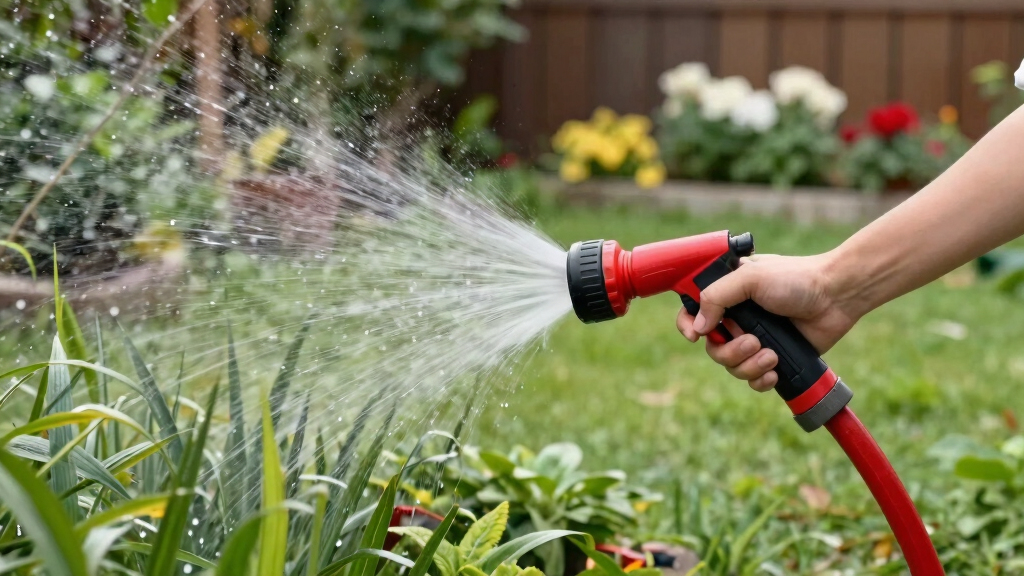
Under the ban, residents are prohibited from using hosepipes for watering gardens, washing cars, filling swimming pools, or cleaning driveways. Thames Water has urged customers to use water sparingly and follow the restrictions to help mitigate the crisis.
Impact of the Hosepipe Ban on Regional Water Supply
The hosepipe ban highlights the severity of the drought affecting southern England, with water conservation measures now affecting millions. The restriction aims to prevent further depletion of reservoirs and ensure a stable water supply during a period of sustained dry weather. It underscores the increasing pressure on water resources due to climate variability and population growth, raising concerns about future water security in the region.
As an affiliate, we earn on qualifying purchases.
Recent Drought Conditions and Water Management Measures
The region has experienced below-average rainfall for several months, leading to reservoir levels dropping to historic lows. Thames Water reported that reservoir storage is at approximately 48%, compared to 70% at this time last year. The drought has prompted authorities to implement various water-saving measures, including public appeals for conservation and restrictions on non-essential water use.
This is part of a broader pattern affecting multiple water companies across southern England, with similar restrictions announced in nearby areas. Climate experts warn that such droughts may become more frequent due to climate change, emphasizing the need for long-term water management strategies.
““We are experiencing one of the driest periods in recent history, and the reservoir levels are dangerously low. The hosepipe ban is necessary to ensure sustainable water supply for our customers.””
— Sarah Jenkins, Thames Water spokesperson
Uncertain Duration and Future Water Restrictions
It is currently unclear how long the hosepipe ban will remain in place. Thames Water has not specified an end date, and the duration will depend on rainfall levels and reservoir recovery. Additionally, it is uncertain whether further restrictions will be introduced if drought conditions persist or worsen.
Monitoring Weather and Reservoir Levels for Policy Adjustments
Thames Water plans to monitor reservoir levels closely over the coming weeks. Authorities will assess weather forecasts and rainfall patterns to determine if restrictions can be eased or need to be extended. Public cooperation and water conservation efforts will be critical in managing the crisis.
Key Questions
How long will the hosepipe ban last?
The duration is currently uncertain; Thames Water has not announced an end date. It will depend on rainfall recovery and reservoir levels in the coming weeks.
Who is affected by the hosepipe ban?
The ban applies to all residential households supplied by Thames Water in the affected regions, including parts of London, Surrey, and Berkshire.
What activities are prohibited under the ban?
Residents are not allowed to use hosepipes for watering gardens, washing cars, filling swimming pools, or cleaning driveways.
Are there any penalties for violating the ban?
Yes, Thames Water can issue fines or legal notices for non-compliance, as per local regulations.
What can residents do to help conserve water?
Residents are encouraged to use water sparingly, fix leaks promptly, and avoid unnecessary water use during the drought period.
Source: google-trends
Halloween Picks
halloween
As an affiliate, we earn on qualifying purchases.