
TL;DR

Get decor and gifts delivered free with Prime
- Fast, free delivery on millions of items
- Prime Video, Amazon Music and more included
- Member-only deals all year
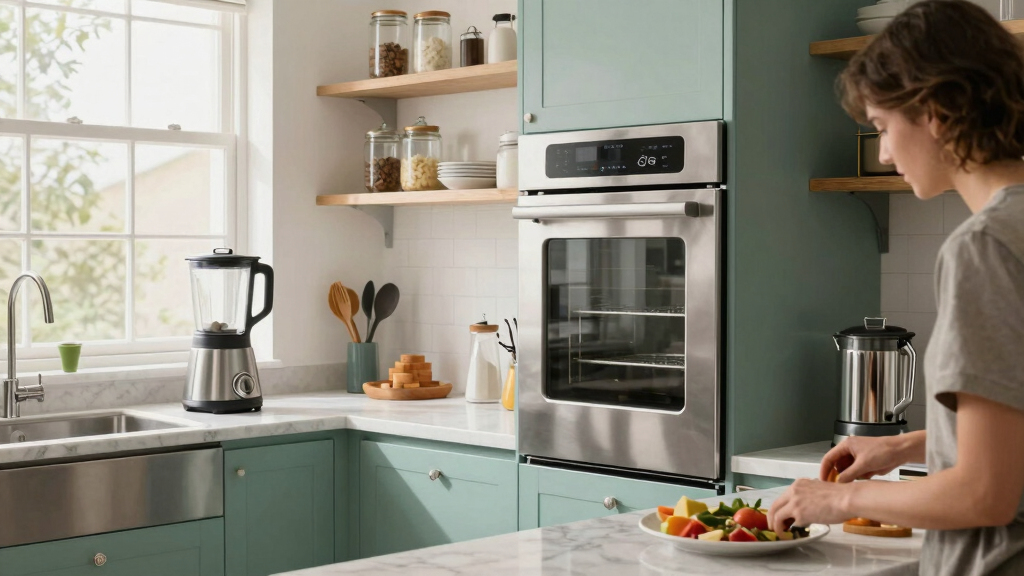
A recently completed kitchen showcases a successful blend of modern and retro design elements. The project challenges the notion that these styles cannot coexist effectively, offering a new approach to home interiors.
A newly completed kitchen design demonstrates that modern and retro styles can be integrated successfully. The project, led by interior designer Jane Smith, challenges the traditional view that these styles are incompatible, offering homeowners a new approach to interior design that combines the best of both worlds.
The kitchen, located in a residential home in Chicago, features sleek, contemporary cabinetry paired with vintage-inspired fixtures and decorative elements. According to Smith, the design was intentionally crafted to balance clean lines and minimalist aesthetics with warm, nostalgic accents. The project was completed in March 2024 and has received positive feedback from clients and industry experts alike. The design incorporates modern appliances and smart technology alongside retro-style lighting and hardware, creating a cohesive and functional space that appeals to diverse tastes. Smith emphasized that the success of this project lies in thoughtful material selection and careful balance, avoiding the extremes of either style.Why Blending Styles Changes Interior Design Norms
This kitchen challenges the conventional wisdom that modern and retro styles are incompatible, opening new possibilities for personalized home interiors. It demonstrates that combining different eras can result in a unique, harmonious aesthetic that appeals to a broad audience. For homeowners, this approach offers greater flexibility in expressing individual taste without being confined to a single design language. Industry experts see this as a potential trend shift, encouraging designers and clients to experiment with mixing styles to create spaces that are both stylish and functional.modern retro kitchen cabinet hardware
As an affiliate, we earn on qualifying purchases.
As an affiliate, we earn on qualifying purchases.
Historical Resistance to Mixing Design Eras
Traditionally, interior design has favored cohesive styles, with modern and retro often viewed as mutually exclusive. Past trends tended to favor either sleek contemporary spaces or nostalgic vintage themes, rarely blending the two. Recent years, however, have seen a growing interest in eclectic and personalized interiors. This project marks a notable example of how designers are now more willing to challenge stylistic boundaries, influenced by broader cultural shifts towards individual expression and nostalgia. The concept of mixing styles is gaining traction, but few projects have demonstrated such a seamless integration as this one.“Blending modern and retro styles isn’t just about mixing old and new; it’s about creating a space that feels both fresh and familiar. The key is balance and thoughtful material choices.”
— Jane Smith, interior designer
Unanswered Questions About Style Longevity and Scalability
It is not yet clear whether this blended design approach will become a widespread trend or remain a niche. Long-term durability and maintenance of mixed styles are also still to be evaluated, and how this approach influences future interior design practices remains to be seen.Future Adoption and Industry Response to Blended Styles
Designers and homeowners are expected to experiment further with blending styles, possibly leading to new trends. Industry professionals may develop guidelines or best practices for integrating modern and retro elements effectively. Follow-up projects and client feedback will reveal whether this approach gains mainstream acceptance or remains a distinctive example of innovative design.Key Questions
Can modern and retro styles be combined without clashing?
Yes, as demonstrated by this project, careful balance, material selection, and thoughtful design can create a cohesive space that successfully blends both styles.
Is this blending approach suitable for all types of homes?
While it can work in many settings, the success depends on the home’s architecture, the client’s taste, and the designer’s skill in balancing elements. Customization is key.
Will this trend influence future interior design standards?
It is possible, especially if more designers adopt similar approaches. The trend towards personalization and eclectic styles supports this potential shift.
What are common challenges when mixing modern and retro styles?
Maintaining visual harmony and avoiding clutter are key challenges. Proper planning and a clear design concept are essential to ensure a balanced look.
How can homeowners start blending styles in their own homes?
Begin with a neutral base and add vintage or retro accents gradually. Consulting with a professional designer can help achieve a cohesive look.
Source: rss
Halloween Picks
halloween
As an affiliate, we earn on qualifying purchases.