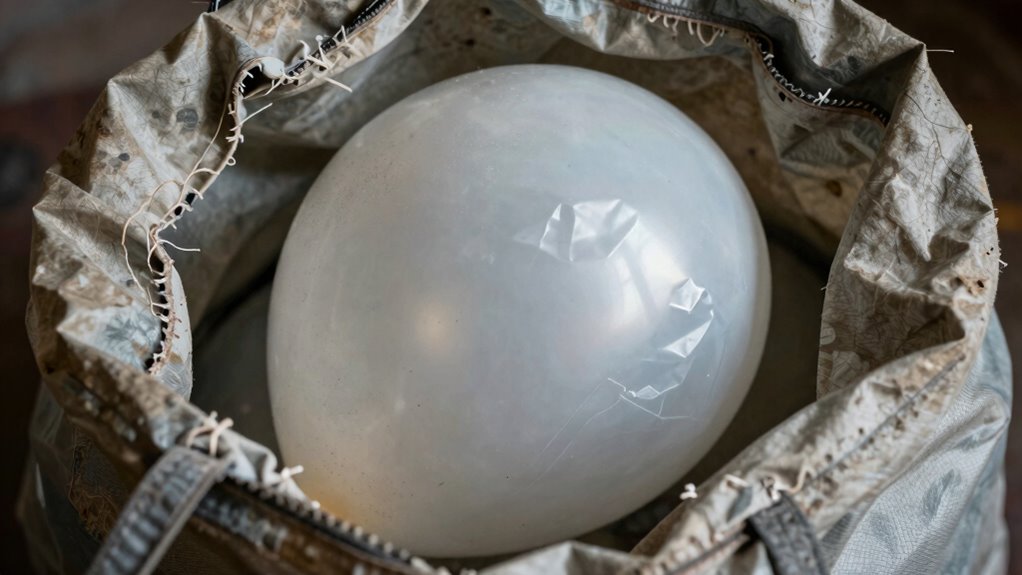

Storing inflatables in overly tight bags puts unnecessary stress on the material, risking tears, punctures, and seam damage over time. Fully deflating your inflatables before packing helps prevent stretching or warping. Use spacious, breathable bags to allow loose folding, which minimizes pressure and keeps your inflatables in good shape. Environment matters too—store in a cool, dry place to avoid deterioration. Keep these tips in mind if you want to preserve your inflatables longer and avoid costly repairs. Want to learn more?

Get decor and gifts delivered free with Prime
- Fast, free delivery on millions of items
- Prime Video, Amazon Music and more included
- Member-only deals all year
Key Takeaways
- Using overly tight storage bags exerts pressure, causing stress and potential damage to inflatable materials.
- Failing to fully deflate inflatables before storage allows continued stretching and weakens seams over time.
- Choosing improper, cramped bags increases the risk of creasing, bending, and long-term shape deformation.
- Storing inflatables in warm, humid environments accelerates material degradation and reduces lifespan.
- Neglecting proper storage techniques leads to tears, punctures, and the need for costly repairs or replacements.
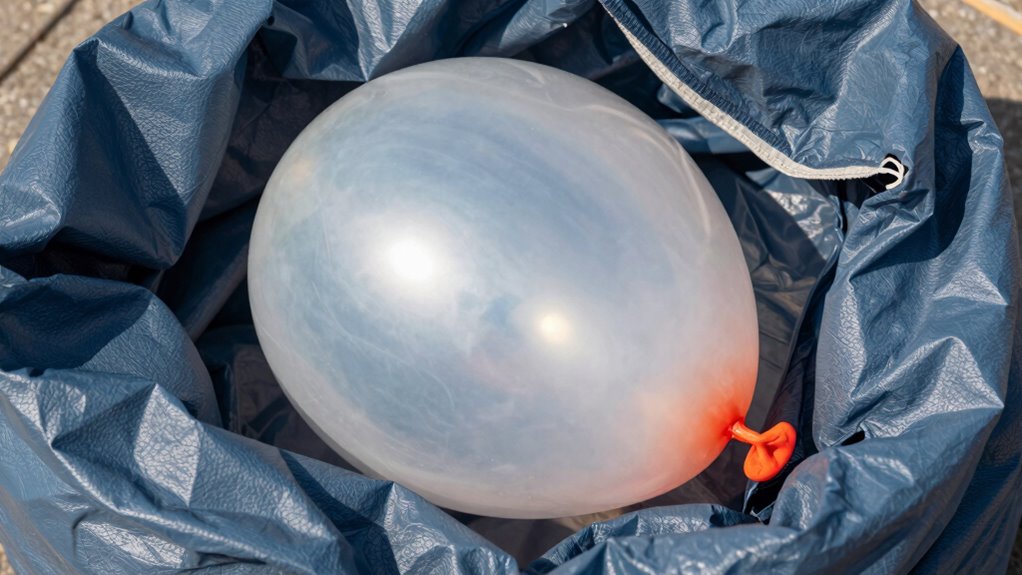
When storing inflatables, many people make a common mistake that can ruin them in the long run. They often fold or cram their inflatables into tight storage bags without considering how pressure and material integrity play a role. This careless approach can cause lasting damage, especially if you neglect to pay attention to air pressure and material durability.
First, stuffing your inflatable into a small, compressed storage bag forces it into a tight space, which can lead to unnecessary stress on the material. Over time, this pressure may weaken the fabric or seams, making the inflatable more prone to tears or punctures. To avoid this, it’s essential to deflate your inflatables fully before storage. When you do, you release the built-up air pressure that, if left inside, can stretch or strain the material, diminishing its durability. An inflated or partially inflated item stored in a cramped bag risks overstretching the fabric, which can cause warping or permanent deformation. Proper deflation reduces strain and preserves the integrity of the material, ensuring your inflatable remains functional for many seasons.
Deflate inflatables fully before storage to prevent stress, stretching, and long-term damage.
Another mistake people make is using a storage bag that’s too small or not designed for your inflatable’s size. A bag that’s overly tight not only increases pressure on the material but also makes it difficult to pack or unpack the inflatable without causing damage. Instead, look for a spacious, breathable bag that allows you to fold your inflatable loosely. This approach prevents unnecessary stress on the seams and fabric, helping maintain both air pressure balance and material durability. When you store your inflatables loosely, you also reduce the chance of creasing or bending them in ways that could impair their shape or functionality later on. Additionally, it’s important to consider the material durability of your inflatables, as stronger materials will better withstand the stresses of storage and use. Using the right storage techniques can also help prevent material fatigue, which occurs over time from repeated stress and can lead to rips or tears.
In addition, many overlook the importance of storing inflatables in a cool, dry environment. Heat, humidity, and direct sunlight can weaken the material over time, reducing its durability. Even if you’ve deflated and stored your inflatable properly, exposure to harsh conditions can cause deterioration. Always choose a climate-controlled space for storage, and make sure the inflatable is completely dry before packing it away. Moisture trapped inside can lead to mold or mildew, further damaging the material.
In the end, avoiding the mistake of stuffing inflatables into overly tight storage bags and neglecting proper deflation and environment will significantly extend their lifespan. Your inflatables will stay intact longer, maintaining their air pressure, shape, and durability. Small changes in how you store them can make a big difference, saving you money and frustration down the line.
As an affiliate, we earn on qualifying purchases.
Frequently Asked Questions
How Often Should I Replace My Inflatable Storage Bag?
You should replace your inflatable storage bag when you notice signs of wear, tears, or if it no longer provides proper protection, typically every 1-3 years. Consider storage bag longevity and material compatibility; if the material starts cracking or becoming brittle, it’s time for a new one. Regularly inspect for damage, and don’t hesitate to upgrade to a more durable, compatible bag to keep your inflatables safe and in good shape.
Can Improper Storage Bags Cause Mold Growth?
Improper storage bags are like a trap for mold, making them a real threat to your inflatables. They can trap moisture, creating the perfect environment for mold growth if not adequately ventilated. To guarantee mold prevention and material safety, choose breathable storage bags and keep inflatables dry before storing. Regularly inspecting and replacing worn-out bags helps protect your inflatables and keeps them in top shape.
Are There Specific Materials Best for Inflatable Storage?
Yes, certain materials are best for inflatable storage because of their durability and compatibility. You should look for storage bags made of heavy-duty, tear-resistant fabrics like ripstop nylon or PVC, which resist punctures and moisture. These materials guarantee your inflatables stay protected from damage and mold. Avoid thin or porous fabrics that can compromise the inflatable’s integrity, leading to cracks or mold growth over time.
What’s the Ideal Way to Clean Inflatables Before Storing?
Did you know that proper cleaning can extend your inflatable’s lifespan by up to 30%? To clean inflatables before storage, use gentle cleaning techniques like wiping with a damp cloth and mild soap. Avoid harsh chemicals, and dry them thoroughly to prevent mold. Follow storage tips like deflating completely and storing in a breathable bag. This helps keep your inflatables in top shape and ready for next time.
Do Storage Bags Affect Inflatable Durability Over Time?
Storage bags can affect inflatable durability over time if you’re not careful. Poor-quality or airtight bags may trap moisture, leading to material degradation, or cause uneven air pressure that weakens seams. Always choose breathable or properly ventilated storage solutions, and guarantee your inflatables are fully dry before storing. Proper storage helps maintain air pressure and keeps materials in good shape, extending your inflatables’ lifespan and preventing damage.
Conclusion
Avoid the common mistake of overpacking your storage bag, or you’ll end up crushing your inflatables like a pancake under a weighty stone. Think of your inflatables as delicate flowers—if you squeeze them too tight, they’ll lose their bounce and charm. Keep them gently rolled or folded, and give them room to breathe. With a little care, your inflatables will stay vibrant and ready to inflate your fun whenever you need them.
Halloween Picks
halloween
As an affiliate, we earn on qualifying purchases.