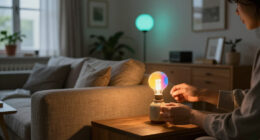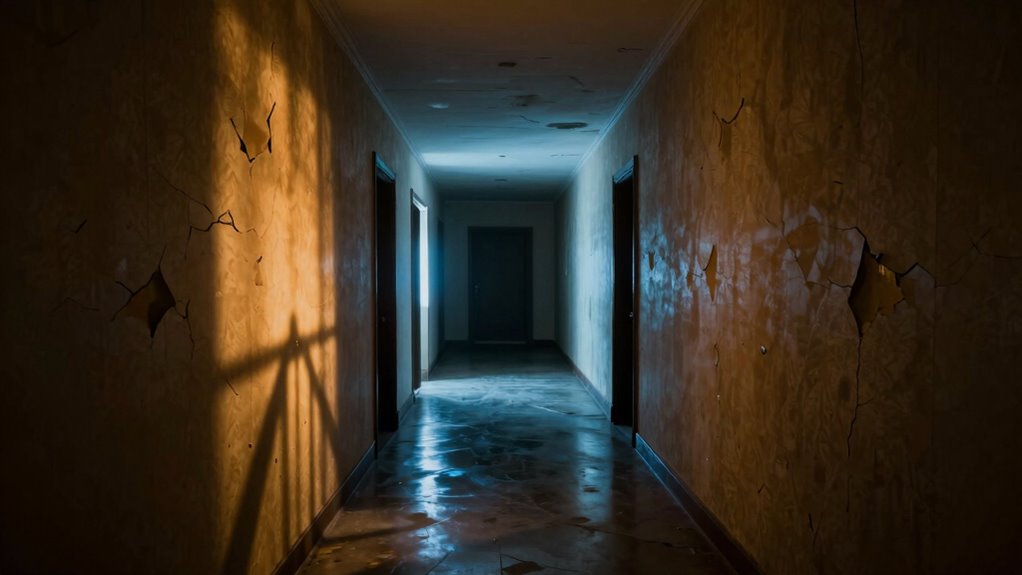

Warm lighting often feels creepy because it mimics familiar, cozy environments like firelight, but in unfamiliar or dark settings, it can hide sinister elements, making you uneasy. Cool lighting, on the other hand, drains color and warmth, creating a sterile, dead atmosphere that can evoke feelings of lifelessness or alienation. Understanding these subtle cues helps you see how color temperature influences emotional responses, and if you keep exploring, you’ll uncover how to manipulate these effects to craft specific moods.

Get decor and gifts delivered free with Prime
- Fast, free delivery on millions of items
- Prime Video, Amazon Music and more included
- Member-only deals all year
Key Takeaways
- Warm lighting can appear creepy when used in dark or unfamiliar settings, as it mimics firelight or dimly lit environments, creating unease.
- Cool lighting resembles clinical or sterile environments, which can evoke feelings of lifelessness or emotional detachment.
- Warm tones trigger positive, familiar associations but can seem sinister when contrasted with dark, oppressive atmospheres.
- Cool lighting enhances feelings of coldness and alienation, intensifying scenes of eeriness or emotional distance.
- The psychological associations of color temperature influence perception, making warm seem cozy yet potentially sinister, and cool feel dead or unwelcoming.
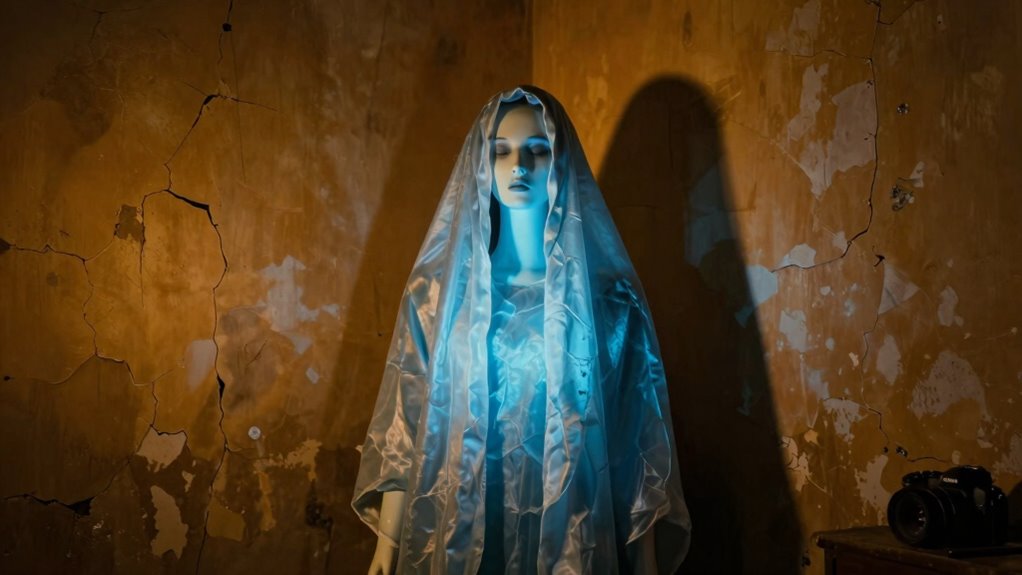
Have you ever noticed how warm lighting makes a scene feel cozy but also oddly unsettling, while cool lighting can make everything seem sterile and lifeless? This isn’t just a coincidence—it’s deeply rooted in lighting psychology and color symbolism. Warm lighting, with its yellow and orange hues, tends to evoke feelings of comfort, intimacy, and safety. It mimics natural sunlight and firelight, which historically signal warmth and nourishment. Your brain associates these colors with positive, familiar experiences, making spaces feel inviting. But, in certain contexts, that same warmth can create an eerie atmosphere, especially when it’s used unexpectedly or in unfamiliar settings. For example, dim, warm lighting in a dark alley might trigger unease because your mind interprets the cozy glow as a warning sign of potential threat lurking in the shadows.
Warm lighting feels inviting but can evoke eeriness when used unexpectedly in unfamiliar settings.
On the other hand, cool lighting, characterized by bluish or white tones, symbolizes cleanliness, professionalism, and detachment. It’s often used in hospitals, laboratories, and offices because it suggests sterility and precision. Your brain responds to these hues with a sense of alertness but also coldness. It can make a scene feel clinical or even dead, stripping away warmth and emotional connection. This is why, in horror films or unsettling scenes, cool lighting often dominates—because it amplifies feelings of distance and lifelessness, making you more receptive to a sense of dread or alienation. The color symbolism here is powerful; blue and white tones are associated with the clinical and the impersonal, which can evoke anxiety or discomfort when used excessively. Additionally, lighting psychology plays a crucial role in shaping emotional responses to different environments and visual cues.
Understanding lighting psychology helps you see why certain scenes or spaces evoke specific emotional reactions. Warm lighting’s comforting appeal can turn creepy when used in the wrong context—think of a dimly lit, warm-toned room that suddenly feels oppressive or sinister. Conversely, cool lighting’s association with cleanliness and lifelessness can enhance a scene’s eeriness or coldness, making it feel unwelcoming or dead. When you’re designing a space or watching a film, knowing how color symbolism influences perception allows you to manipulate emotions intentionally. Warm tones can be used to lure you into comfort or hide something sinister beneath a cozy surface, while cool tones can create a sense of detachment or impending doom. Recognizing the emotional impact of lighting can help you craft more effective visual storytelling or interior design.
In essence, the interplay of lighting psychology and color symbolism profoundly shapes how you perceive warmth and coolness. It’s not just about the technical aspects of light but about how your subconscious interprets these cues, influencing your emotional response—sometimes making warm look creepy and cool seem dead.
As an affiliate, we earn on qualifying purchases.
Frequently Asked Questions
How Does Color Temperature Influence Emotional Perception in Visuals?
Color temperature profoundly influences emotional impact and viewer perception in visuals. Warm tones evoke feelings of comfort, intimacy, or even creepiness if overdone, while cool tones often create a sense of calm, detachment, or deadness. By choosing specific color temperatures, you guide viewers’ emotional responses and perceptions, shaping how they interpret the scene’s mood—making your visuals more compelling and emotionally resonant.
Can Color Temperature Be Manipulated in Post-Production Effectively?
Yes, you can effectively manipulate color temperature during post-production using post-processing techniques. To maintain color consistency, adjust the white balance or use color grading tools, ensuring the scene’s mood stays cohesive. You can warm up or cool down your footage to evoke specific emotional responses or fix color issues. These techniques give you control over the visual tone, making your footage look exactly how you envision it.
What Are Common Misconceptions About Warm and Cool Lighting?
Think of warm and cool lighting like old stories told in different dialects—many believe warm light always feels cozy, and cool always feels clinical. But that’s a misconception rooted in historical lighting styles and cultural color preferences. Warm doesn’t always mean creepy, nor cool always dead. Your choice depends on mood, context, and intent, not just the temperature. Don’t be fooled by stereotypes; experiment and trust your creative instincts.
How Does Skin Tone Appear Under Different Color Temperatures?
Under warm lighting, your skin tone appears richer and more flattering, enhancing natural warmth and giving a cozy feel. Cool lighting can make your skin look paler or dull, affecting color perception negatively. The contrast between warm and cool lights influences how skin tones are perceived, so choosing the right color temperature is essential for accurate, appealing representation. Your skin’s true hue can be emphasized or diminished based on the lighting’s warmth or coolness.
What Tools or Techniques Help Measure and Adjust Color Temperature Accurately?
To measure and adjust color temperature accurately, you should use tools like light meters and perform color calibration. Light meters help you gauge the exact color temperature of your lighting setup, ensuring consistency. Then, apply color calibration techniques—using software or hardware calibration tools—to fine-tune your display or camera settings. This combination guarantees your images or videos reflect true colors, whether aiming for warmth or coolness.
Conclusion
Next time you choose lighting, remember that warmth can sometimes cast an unsettling glow, while cooler tones might drain the scene of life. It’s not just about aesthetics—it’s about the subtle emotions they evoke. By understanding these nuances, you can steer clear of unintended discomfort. Embrace the power of color temperature wisely, for what appears inviting might hide something more complex beneath the surface, inviting viewers to look a little deeper.
Halloween Picks
halloween
As an affiliate, we earn on qualifying purchases.